
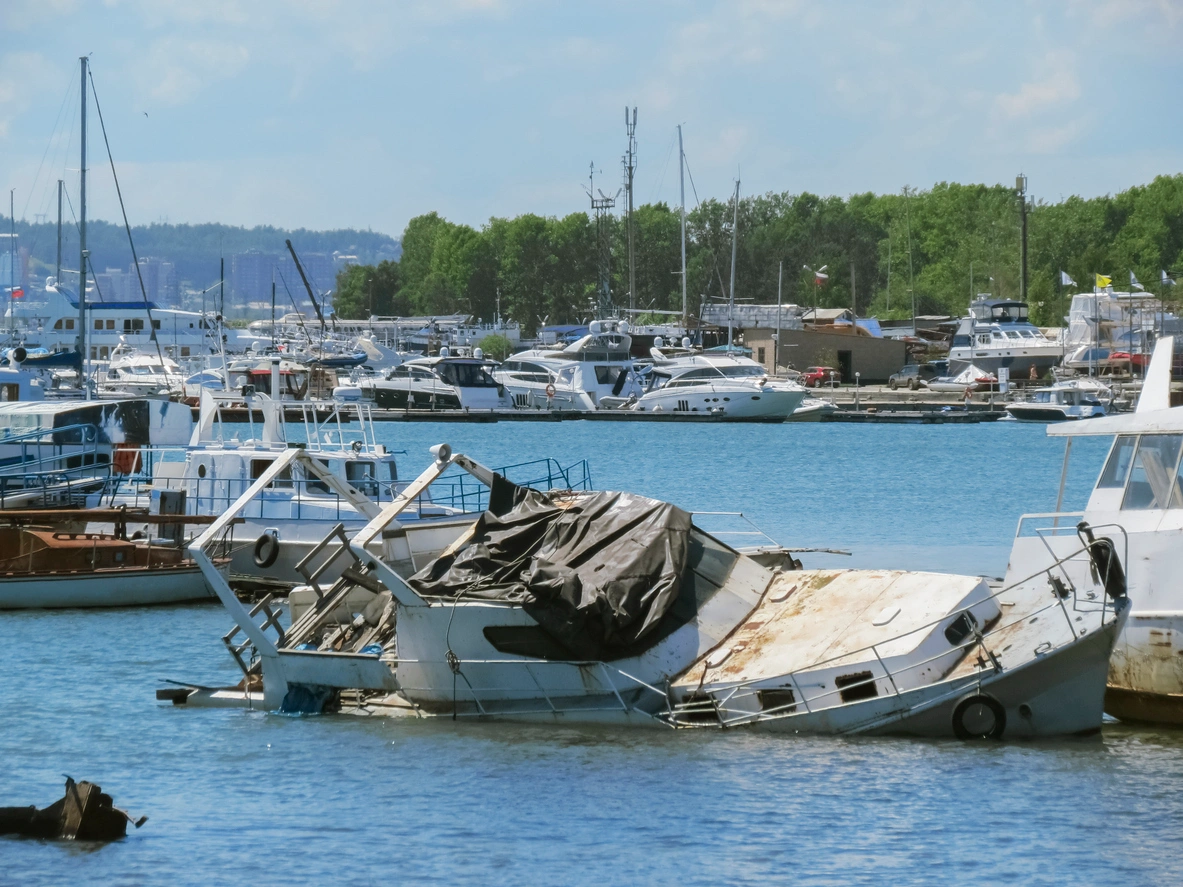
Boating accidents in Memphis present a unique legal and safety challenge, with injuries often resulting from a variety of preventable causes. The role of a Memphis boat accident attorney is critical in identifying liability and securing rightful claims for victims under Tennessee law. This article delves into frequently encountered causes of boating injuries in Memphis, supported by relevant statutory frameworks and case-law standards to illuminate the legal implications faced by injured parties.
Understanding the Legal Context of Boating Accidents in Memphis
Under Tennessee law, boating operators owe a duty of care to others on the water, requiring adherence to safety regulations and careful operation of vessels. The Tennessee Wildlife Resources Agency (TWRA) enforces strict reporting requirements for boating accidents, particularly those involving injury or property damage exceeding $2,000, as described in Tennessee Code § 69-9-210. Failure to comply with these laws can result in misdemeanor or felony charges depending on the severity, particularly where death or serious injury occurs. This legal framework forms the basis for evaluating fault and negligence in boating injury cases that a Memphis boat accident attorney navigates regularly.
Operator Error and Reckless Operation Leading to Injury
Operator error is consistently one of the most common causes of boating injuries in Memphis waterways. Many accidents arise from misjudgments by inexperienced or distracted boat operators who fail to properly navigate or abide by established boating laws. Reckless operation such as excessive speed, weaving between boats, or ignoring right-of-way rules increases the risk of collision and severe bodily harm. Distractions while driving, including engagement with passengers or use of electronic devices, contribute substantially to accidents. Tennessee’s modified comparative fault system allows claims even with partial victim fault but reduces recovery proportionally, underscoring the importance of pinpointing negligence precisely in litigation.
Equipment Failure and Improper Boat Loading Issues
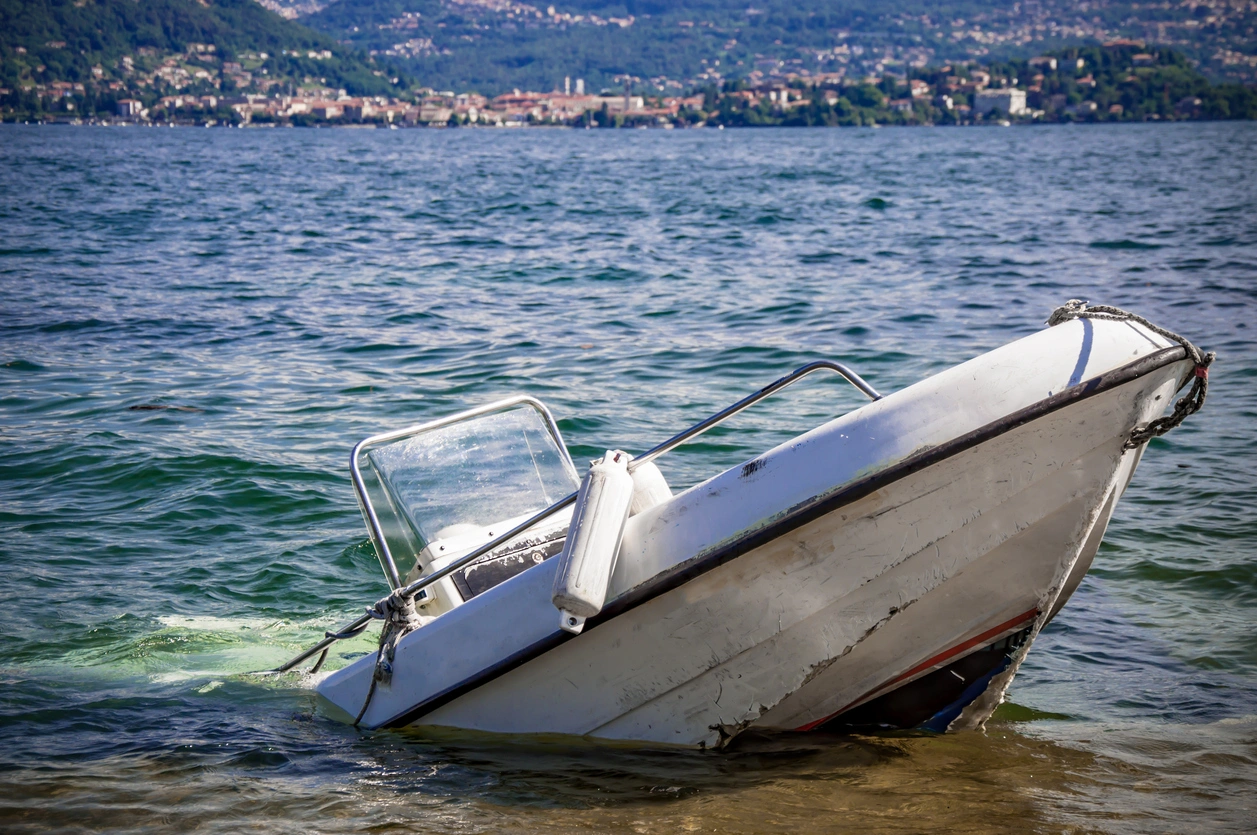
Another significant cause of boating injuries involves defective or poorly maintained equipment. Mechanical failure of engines, steering mechanisms, or safety apparatus like navigation lights can escalate the risk of accidents. Additionally, improper loading or overloading a vessel can destabilize its handling, leading to capsizing or swamping, which causes serious injuries or drowning incidents. Tennessee boating regulations mandate adherence to manufacturer’s loading limits and proper safety inspections, highlighting operator responsibility to maintain vessel safety standards.
Environmental and Weather Conditions Contributing to Accidents
Sudden weather changes and hazardous environmental conditions play a notable role in Memphis boating accidents. High winds, storms, and poor visibility can catch boaters unprepared, exacerbating risks during operation. The failure to monitor weather forecasts or ignoring unsafe water conditions breaches the duty of care owed by operators and can serve as a basis for liability claims. Recognizing these factors is vital for a Memphis boat accident attorney when assessing causation in claims involving weather-related boating injuries.
Alcohol and Drug Use on the Water
Intoxication significantly heightens the dangers of boating accidents. Tennessee law defines boating under the influence similarly to driving under the influence, with a blood alcohol concentration (BAC) limit of 0.08%. Alcohol and drug impairment impair judgment, reaction time, and coordination, leading to collisions, falls overboard, or operational errors. Approximately 5% of boating accidents in Tennessee involve substance impairment. Breach of this legal duty not only exposes operators to criminal charges but also supports strong civil liability claims in personal injury lawsuits.
Common Injury Types in Memphis Boating Accidents
The injuries commonly seen by a Memphis boat accident attorney include head trauma, broken bones, spinal cord injuries, lacerations, and drowning. Such injuries often require extensive medical treatment and long-term rehabilitation, substantially impacting victims’ lives. The financial damages include medical expenses, lost wages, and compensation for pain and suffering, which the legal process seeks to recover from negligent parties. Court decisions in Tennessee emphasize thorough evidence preservation due to fast-disappearing accident scenes and transient witnesses.
Legal Procedures and Statutory Deadlines
Tennessee law imposes a one-year statute of limitations on filing personal injury claims arising from boating accidents, per Tennessee Code Annotated § 28-3-104. Prompt action is required to investigate, collect evidence, and notify responsible authorities. Accident reports must be filed within 48 hours following a serious injury or death, or within 10 days for significant property damage, as mandated by state regulation. These procedural requirements underscore the need for timely legal intervention after Memphis boating injury incidents.
Importance of Safety Equipment and Compliance
Tennessee mandates that all vessels carry Coast Guard-approved personal flotation devices (PFDs) equal to the number of passengers on board, along with a throwable (Type IV) device for boats 16 feet or longer. Children under 12 years old must wear PFDs while on open decks. Proper usage of safety equipment mitigates injury severity and reflects responsible boating conduct. Failure to comply with these regulations can enhance liability for operators in injury claims.
Case Law Examples Illustrating Liability in Memphis
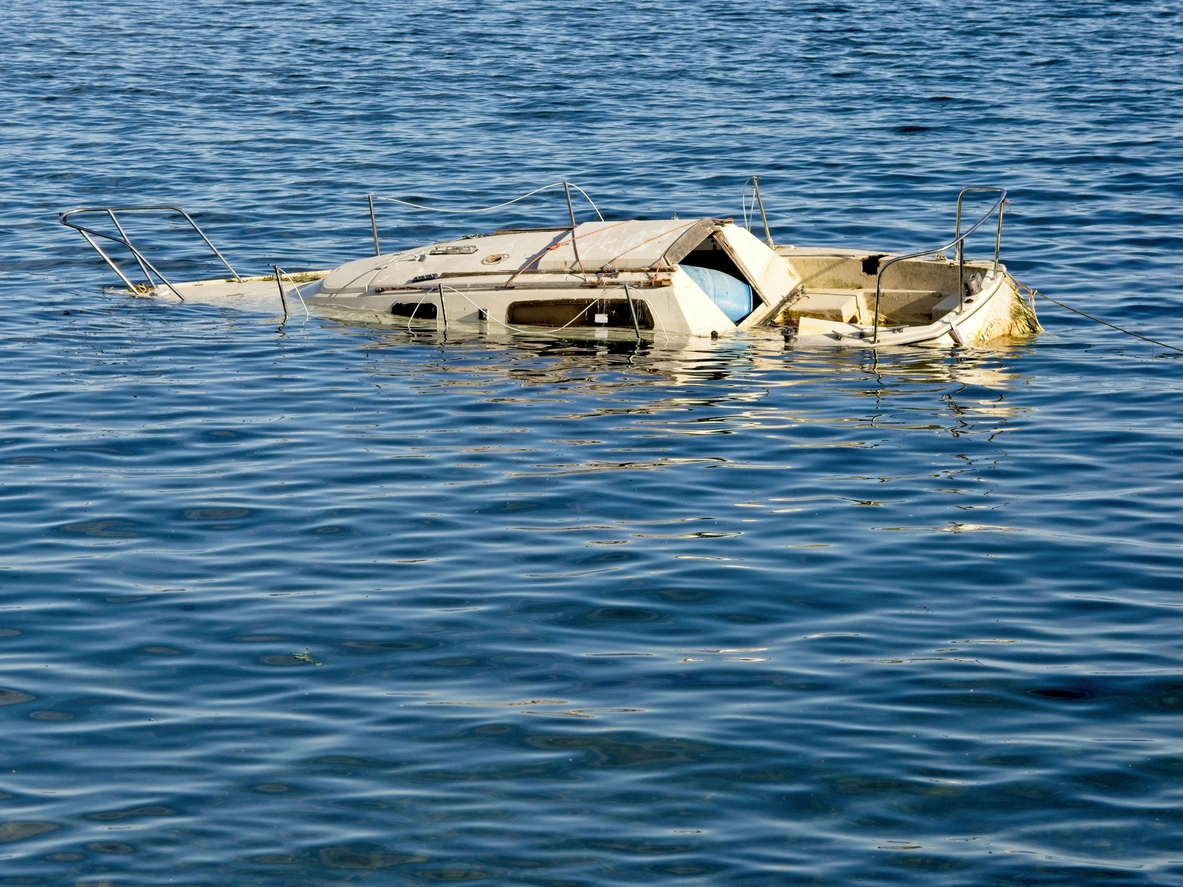
Case precedents in Tennessee establish that proving breach of duty, causation, and damages is essential in boating injury claims. For example, courts have awarded substantial damages where operators recklessly ignored navigational rules or operated vessels under the influence, directly causing accidents with severe injuries. These legal principles guide Memphis boat accident attorneys in building claims that reflect the complex factual and legal issues inherent to boating injury litigation.
One illustrative case involved a boating collision in Memphis where the operator’s excessive speed and disregard for right-of-way protocols resulted in severe injuries. The court applied the modified comparative fault rule and reduced damages proportionally to the victim’s fault, offering clear guidance on how shared negligence is administrated in Tennessee marine injury law.
A detailed legal discussion on Memphis boat accident attorney insights into boating injuries highlights the procedural, statutory, and evidentiary challenges unique to such claims, alongside the multifactorial causes leading to injuries on Tennessee’s waterways. This article’s emphasis on operator responsibility, equipment maintenance, and adherence to safety statutes forms a foundational knowledge base for analyzing boating injury cases comprehensively.
For further legal standards and boating safety guidelines, the Tennessee Wildlife Resources Agency provides authoritative regulatory information at their official site: https://www.tn.gov/twra/boating.html
Injury victims seeking legal recourse in Memphis are encouraged to consult with experienced counsel familiar with maritime and state boating statutes. For inquiries related to injury claims in boating accidents, a natural anchor text linking to a lawyer specializing in this field is found here: experienced Memphis boating injury representation
Frequently Asked Questions (FAQs)
What are the most common causes of boating injuries in Memphis according to a Memphis boat accident attorney?
Among the leading causes identified are operator error, reckless boating, equipment failure, improper loading, alcohol or drug impairment, and hazardous weather conditions. Each factor contributes to breaches of the duty of care under Tennessee boating laws and forms the basis for personal injury claims.
How does Tennessee law affect filing claims for boating injuries in Memphis?
Tennessee imposes strict reporting requirements and a one-year statute of limitations for filing personal injury claims (Tenn. Code Ann. § 28-3-104). Accident reporting must occur quickly to avoid criminal penalties and to preserve evidence essential for successful claims.
What types of injuries are typical in Memphis boat accidents?
Victims commonly suffer from traumatic brain injuries, fractured bones, spinal injuries, lacerations, and drowning-related harm. These injuries often require extensive medical treatment and support claims for compensation including medical expenses and non-economic damages.
How does intoxication impact liability in Memphis boating accidents?
Operating a boat with a BAC of 0.08% or higher is illegal in Tennessee and significantly increases liability for accidents causing injury or death. Courts and authorities weigh intoxication heavily when determining fault and damages in boating injury lawsuits.
Are safety devices mandatory on boats in Tennessee?
Yes, Tennessee law requires vehicles to carry approved personal flotation devices for every passenger plus a throwable Type IV device for boats 16 feet and over. Children under 12 must wear PFDs on open decks, reflecting critical safety mandates aimed at preventing fatalities.
What legal protections does a Memphis boat accident attorney provide to injured victims?
An attorney ensures timely claim filing, compliance with procedural deadlines, preservation of evidence, and application of relevant maritime and state laws to obtain fair compensation. They also navigate complexities such as comparative fault allocation and operator negligence to advocate effectively.