

Fresno Car Accident Attorney Strategies for Uninsured Motorist Claims Amid Rising Rates

California law mandates that insurers offer uninsured motorist (UM) coverage in every bodily injury liability policy unless explicitly rejected in writing by the policyholder. This protection covers damages from owners or operators of uninsured vehicles, including hit-and-run scenarios, as defined under California Insurance Code §11580.2. A Fresno car accident attorney often emphasizes that UM coverage applies to the insured, their heirs, or representatives for bodily injury, sickness, disease, or death caused by such motorists.?

Recent data highlights the urgency of this coverage in Fresno, where uninsured rates contribute to heightened risks for drivers. According to studies, approximately 15.4% of motorists—or one in seven—remained uninsured as of 2023, with Central Valley areas like Fresno showing elevated prevalence. These statistics underscore procedural challenges in claims, where verifying the at-fault driver’s lack of insurance becomes critical before proceeding.?

The statute distinguishes between uninsured vehicles (no coverage) and underinsured ones (insufficient limits), expanding protections amid economic pressures. Policyholders must grasp these nuances to avoid claim denials, particularly as rising premiums push more drivers off insured roads.?

Rising Uninsured Rates Impacting Fresno Drivers

Uninsured motorist rates in California have persisted at concerning levels, exacerbating financial burdens on collision victims. A 2025 Insurance Research Council study reported 15.4% uninsured motorists in 2023, with Fresno’s Central Valley location aligning with higher-than-average figures from prior DMV analyses. New minimum liability requirements effective January 1, 2025—$30,000 per person/$60,000 per accident for bodily injury and $15,000 for property damage—aim to address rising medical costs but may inadvertently increase uninsured drivers due to premium hikes.?

Fresno’s urban density amplifies exposure, as low-income policies under the California Automobile Assigned Risk Plan offer minimal $10,000/$20,000/$3,000 limits, often inadequate for serious wrecks. Insured drivers bear these costs through elevated premiums, making robust UM coverage essential. Local enforcement data reveals first-time uninsured offenders face fines nearing $500 with assessments, yet recidivism remains high, sustaining the crisis.?

Demographic factors, including economic strain in the Central Valley, contribute to this trend, prompting Fresno car accident attorney involvement to counter insurer tactics in disputed claims. Public safety frameworks from the California DMV stress verification processes to confirm uninsured status.

California Insurance Code §11580.2 forms the cornerstone, requiring UM coverage in policies unless waived, with limits matching bodily injury liability or financial responsibility minima. This section defines uninsured vehicles broadly, encompassing unknown operators if physical contact occurs in hit-and-runs. Courts interpret it to protect against non-owned uninsured vehicles injuring named insureds or household residents.?

Amendments clarify underinsured scenarios, triggered only after exhausting the at-fault driver’s limits. Arbitration becomes mandatory if disputes arise over claim value, conducted by a neutral arbitrator with costs split equally. A Fresno car accident attorney leverages this for clients, ensuring compliance with preservation requirements to toll statutes of limitations.?

Statutory language patterns emphasize procedural rigor, such as reporting accidents within specified timelines to maintain coverage viability. Violations can bar recovery, highlighting the need for precise adherence.?

Initial Steps After a Fresno Car Accident with Uninsured Driver

Victims must prioritize evidence collection immediately post-collision to substantiate UM claims. Police reports, witness statements, photos of scene and damage, and medical records establish fault and uninsured status via DMV checks. Notify authorities within 24 hours if on highways, per procedural mandates.?

Contact your insurer promptly to trigger UM provisions, submitting bills for medical care, wage loss, property damage, and pain/suffering demands. Verification of the other party’s non-coverage—through admission or DMV records—is prerequisite. An experienced Fresno car accident attorney guides this, preventing premature settlements that undermine arbitration rights.?

For hit-and-runs, document physical contact to satisfy California Insurance Code §11580.2(b) provisos, preserving claim eligibility. These steps align with public safety protocols from the California Department of Insurance, which oversees compliance.?

Verification and Notification Processes

Confirming uninsured status demands diligence, as self-admissions suffice but refusals necessitate DMV inquiries or subpoenas. Insurers verify independently, yet claimants bear initial proof burdens. A reliable Fresno car accident attorney coordinates this, often accessing vehicle records swiftly.?

Formal demand letters outline damages with supporting documentation, prompting insurer responses or arbitration demands. Timelines vary by policy, but statutory two-year accrual preservation applies via specific notifications. Health insurance subrogation complicates matters, requiring coordination to avoid offsets.?

  • Obtain crash report citing Vehicle Code violations.
  • Secure witness contacts for affidavits.
  • Compile all treatment records chronologically.
  • Request DMV uninsured verification formally.?

Building a Strong UM Claim File

Comprehensive documentation fortifies negotiations, encompassing crash reconstruction if liability contests arise. Expert witnesses assess causation and quantum, countering insurer lowballs. Medical specials—bills, records, prognoses—anchor economic damages, while journals quantify non-economics.?

Property damage appraisals and wage verifications add layers, with UM Bodily Injury (UMBI) typically excluding vehicles unless stacked. A professional Fresno car accident attorney employs this to maximize policy limits. Case-law like Freeman v. State Farm reinforces contact proofs in unknowns.?

Insurers scrutinize for fraud indicators, mandating thoroughness. Digital trails from photos and apps enhance credibility.
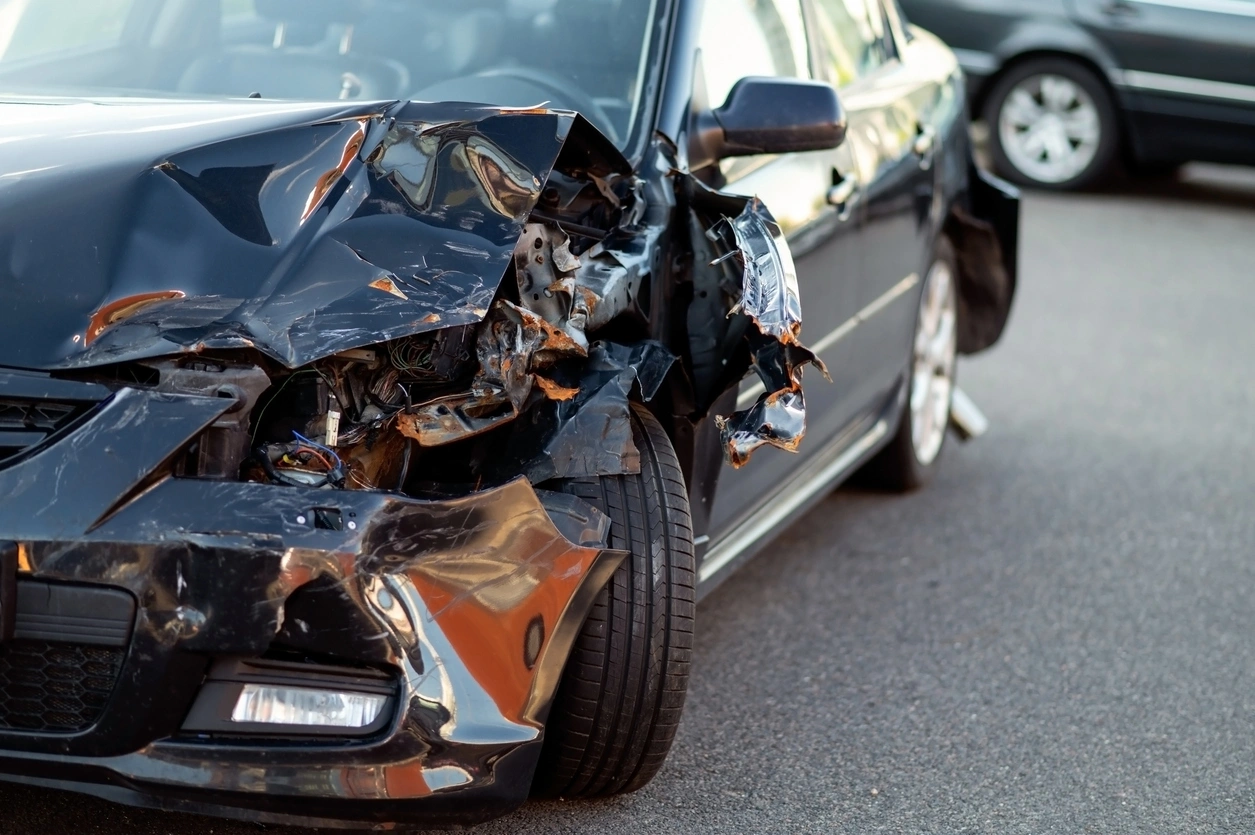
Fresno Car Accident Attorney Strategies for Uninsured Motorist

?

Arbitration in Disputed Uninsured Motorist Claims

If settlements falter, California Insurance Code §11580.2(f) compels arbitration as condition precedent to suit. Parties select neutrals, often via AAA protocols, with awards binding absent misconduct. Evidentiary rules mirror civil trials, allowing discovery and subpoenas.?

Arbitrators evaluate liability, causation, and damages holistically, splitting fees equally. Appeals limited to specified grounds preserve finality. Strategies involve pre-hearing motions and expert panels, navigated adeptly by seasoned counsel.?

Post-2025 liability hikes may reduce underinsured triggers but sustain UM relevance.?

Challenges with Insurers and Common Defenses

Insurers deploy defenses like policy exclusions, late notice, or household exclusions, contesting coverage applicability. Fresno car accident attorney expertise dismantles these via statutory interpretations. Bad faith accrues if unreasonable delays occur, enabling contract and tort remedies post-arbitration.?

Stacking prohibitions limit multi-vehicle recoveries, while offsets from tortfeasors apply. Economic pressures from rising uninsured rates amplify disputes.?

  • Contested fault allocations.
  • Pre-existing condition arguments.
  • Failure to mitigate damages claims.
  • Waiver assertions from policy lapses.?

Impact of 2025 Insurance Law Changes

SB-1107 elevates minima to $30k/$60k/$15k, tripling property protections but straining affordability. This may curb uninsured rates long-term yet spikes premiums short-term, per carrier analyses. UM matching becomes pivotal, as low-income plans lag.?

Fresno drivers face interim vulnerabilities, underscoring policy reviews. Enhanced limits indirectly bolster UM viability in underinsured gaps.?

Visit the California DMV financial responsibility page for compliance details.?

Case Law Insights for Fresno Claims

Precedents like Orpustan v. State Farm clarify preservation duties, tolling limitations via compliant filings. Freeman mandates contact proofs, guiding hit-and-run strategies. These judicial analyses inform Fresno car accident attorney tactics, ensuring procedural adherence.?

Appellate rulings stress insurer duties to defend coverage positions fully.?

Long-Term Recovery Strategies

Holistic approaches extend beyond payouts, addressing liens and future care via life-care plans. Mediation alternatives expedite resolutions pre-arbitration. Community resources aid uninsured victims lacking UM.?

Fresno-Specific Considerations

Local courts handle Fresno Superior filings, with venue rules favoring crash locales. Valley uninsured prevalence demands proactive defenses.?

Common Pitfalls in UM Claims

Overlooking waivers voids coverage; incomplete files invite denials. Self-representation risks undervaluation.?

Fresno car accident attorney

Frequently Asked Questions on Uninsured Motorist Claims in Fresno

What qualifies as an uninsured vehicle under California law?

An uninsured vehicle includes any motor vehicle lacking bodily injury liability insurance, hit-and-runs with physical contact, or underinsured policies below victim damages, per California Insurance Code §11580.2. Verification via DMV or admission triggers claims against one’s UM policy. This framework protects against unknown operators if provable contact occurs.?

How do rising uninsured rates affect Fresno car accident attorney claims?

Elevated rates—around 15% statewide, higher in Fresno—heighten UM reliance amid 2025 premium pressures. Victims face more disputes, necessitating strategies like robust evidence and arbitration prep. Statistical burdens fall on insureds via costs.?

What steps follow verifying an uninsured at-fault driver?

Submit demands with bills, reports, and losses to your insurer; expect negotiation or arbitration if unresolved. Preserve timelines via statutory notices. DMV records confirm status.?

Does a Fresno car accident attorney handle arbitration for UM disputes?

Yes, counsel navigates binding processes under §11580.2(f), selecting arbitrators and presenting evidence. Awards prove final, covering full entitlements. Expertise counters defenses.?

How have 2025 changes impacted uninsured motorist protections?

New $30k/$60k/$15k minima may reduce underinsured cases but sustain UM needs due to affordability gaps. Matching UM limits remains advisable.

?Can hit-and-run victims pursue UM without identified drivers?

Affirmative, if physical contact evidences injury under §11580.2(b), with timely reports. Witness corroboration strengthens.?
Phoenix Car Accident Lawyers Explain What To Do If Insurance Denies Your Claim

When an auto insurer denies a claim after a collision in Phoenix, the policyholder moves from a routine administrative process into a more adversarial setting that implicates contract law, Arizona insurance regulations, and in some cases the tort of insurance bad faith. Phoenix car accident lawyers treat a denial not as a final outcome but as a legal decision that must be tested against policy language, statutory standards, and the factual record developed after the crash. Because Arizona recognizes both contractual and extra?contractual remedies for wrongful denials, the steps a motorist takes in the days and weeks following a denial letter can substantially affect the viability and value of any later legal action.?

Understanding Claim Denials In Arizona

The starting point for most Phoenix car accident lawyers is to distinguish between a denial that arises from a legitimate coverage dispute and one that may reflect an insurer’s failure to comply with its duty of good faith and fair dealing. An insurer may cite policy exclusions, lapsed coverage, alleged misrepresentations in the application, or liability disputes as grounds for refusing payment, and each category calls for a different legal response rooted in contract interpretation and Arizona tort principles.?

Arizona law implies into every insurance contract a covenant of good faith and fair dealing, which requires an insurer to give equal consideration to the insured’s interests when evaluating and paying claims. When an insurer unreasonably denies benefits or fails to conduct an adequate investigation, Phoenix car accident lawyers may argue that the conduct crosses the line from mere breach of contract into bad faith, opening the door to damages beyond the amount owed under the policy.

First Steps After Receiving A Denial Letter

Upon receiving a denial letter, many Phoenix car accident lawyers advise clients to preserve the document, review the specific policy provisions cited, and compare the insurer’s stated reasons with the known facts of the collision. This early comparison often reveals whether the denial turns on a contested factual issue, a disputed reading of an exclusion, or a procedural problem such as alleged late notice of the accident.?

From a practical standpoint, it is generally prudent to avoid immediate confrontational communication with the adjuster and instead assemble a complete file that includes the police crash report, photographs, medical records, repair estimates, and prior correspondence, because this evidentiary foundation will frame any appeal or later litigation. Phoenix car accident lawyers frequently use this phase to identify gaps in documentation that may have contributed to the denial, such as missing medical causation opinions or incomplete wage?loss proof.?

Policy Review And Contract Interpretation

A careful policy review is central to the way Phoenix car accident lawyers approach a denied claim, because Arizona courts treat the insurance contract as the primary source of rights and obligations between insurer and insured. Lawyers examine declarations pages, insuring agreements, definitions, exclusions, conditions, and endorsements to determine what coverage was actually in force on the date of loss and how key terms—such as “resident relative,” “occupying,” or “use of an auto”—are defined.?

Where language is ambiguous, Arizona precedent generally construes uncertainty in favor of coverage and against the drafter, a principle that Phoenix car accident lawyers may invoke when insurers rely on strained interpretations to avoid paying. Counsel also test whether the insurer has attempted to add requirements not reflected in the written policy, which can violate Arizona’s unfair claim settlement standards and support an argument that the denial was unreasonable.?

Arizona’s Unfair Claim Settlement Practices Framework

The conduct of insurers handling auto claims in Phoenix is regulated in part by Arizona’s Unfair Claim Settlement Practices statute, which prohibits misrepresenting policy provisions, failing to promptly investigate claims, and not attempting in good faith to effectuate fair settlements when liability is reasonably clear. Although a violation of this statute does not automatically create an independent cause of action, Phoenix car accident lawyers often use it as a benchmark for assessing whether an insurer’s denial conduct was objectively unreasonable.?

For example, if a carrier delays its investigation, ignores relevant medical documentation, or offers a settlement so low that litigation becomes the only realistic option, those facts may support a contention that the insurer deviated from accepted industry standards. In later bad faith litigation, attorneys frequently rely on claim file entries, internal guidelines, and deposition testimony to compare the insurer’s actual practices with the regulatory expectations codified in Arizona law.?

Appealing A Denied Auto Claim Internally

Most Phoenix car accident lawyers treat the internal appeal process as a critical intermediate step between denial and litigation, particularly where the denial may be the result of incomplete information rather than an entrenched coverage position. An effective appeal typically includes a detailed written response that addresses each reason given in the denial letter, cites relevant policy language, and attaches supporting evidence such as medical reports, employment records, and witness statements.?

The tone of the appeal usually remains professional and fact?driven, with Phoenix car accident lawyers aiming to create a clear record that can later be introduced in court if necessary to show that the insured cooperated fully and gave the carrier every opportunity to correct its decision. Appealing within any deadlines stated in the denial letter is important, because carriers sometimes impose contractual time frames for contesting decisions, and missing those can complicate later efforts to recover benefits.?

Evidence Development After A Denial

Once a claim has been denied, the evidentiary posture of the case shifts, and Phoenix car accident lawyers often treat the matter as potential litigation even if a lawsuit has not yet been filed. This may include obtaining complete medical records and billing statements, securing expert opinions on causation and the necessity of treatment, and gathering photographs, scene diagrams, and any available video footage, including dash?cam or surveillance recordings.?

In liability disputes—such as a denial based on alleged comparative negligence—attorneys sometimes use accident reconstruction experts to analyze skid marks, vehicle damage, and road conditions, because Arizona’s comparative fault framework allows recovery even when an injured motorist shares some responsibility. For uninsured and underinsured motorist denials, Phoenix car accident lawyers also scrutinize documentation regarding the at?fault driver’s coverage, prior payouts under the liability policy, and any issues concerning policy stacking or offsets.?

Bad Faith Claims Against Auto Insurers

When a denial appears unjustified even after additional evidence is provided, Phoenix car accident lawyers evaluate whether the facts support a tort claim for insurance bad faith in addition to a simple breach of contract action. Under Arizona law, such a claim generally requires proof that the insurer acted unreasonably in handling or denying the claim and that it knew, or recklessly disregarded, the fact that its conduct was unreasonable.?

If bad faith is established, insureds may seek not only the contract benefits that should have been paid but also consequential damages, emotional distress, and, in egregious cases, punitive damages intended to deter similar conduct in the future. Phoenix car accident lawyers typically assess internal claim notes, patterns of low offers, delays, or shifting denial rationales as potential indicators that a carrier prioritized cost?containment over the duty to fairly evaluate the insured’s loss.?

Filing A Complaint With Arizona’s Insurance Regulators

Beyond civil litigation, motorists whose claims have been denied may file regulatory complaints with the Arizona Department of Insurance and Financial Institutions, which oversees carrier compliance with state insurance laws. This process allows consumers to submit documentation about delays, misrepresentations, or unexplained denials, and the agency may then contact the insurer for an explanation and seek corrective action where appropriate.?

Although the regulator does not act as a private attorney or award damages, Phoenix car accident lawyers sometimes view a complaint as a useful parallel avenue for oversight, particularly where the denial suggests systemic issues in the insurer’s claim?handling practices. The public guidance on how to file such complaints, including online forms and documentation checklists, is maintained by the agency and can help insureds understand what information is most useful for regulatory review.

Phoenix car accident lawyers

?Deadlines, Limitations Periods, And Procedural Traps

Time limits play a decisive role in how Phoenix car accident lawyers respond to denied claims, because Arizona statutes and policy provisions can bar recovery if action is not taken within specified periods. Statutes of limitation govern how long an insured has to file a lawsuit for breach of contract or bad faith, and some policies shorten the time to sue beyond the default statutory period, which courts may enforce if clearly stated.?

In the context of claims against at?fault drivers, Arizona’s general personal injury and property damage limitation periods also remain in play, meaning that a denied liability claim cannot simply be left unresolved while internal appeals continue. Phoenix car accident lawyers therefore track multiple parallel deadlines—such as bodily injury claims against negligent drivers, underinsured motorist claims, and bad faith actions—to avoid losing viable causes of action through inadvertent delay.?

Third?Party Versus First?Party Denials

The legal framework differs depending on whether the denial comes from the injured person’s own insurer (first?party claim) or from the carrier for the at?fault driver (third?party claim), and Phoenix car accident lawyers tend to analyze each category under distinct doctrines. In first?party disputes involving collision coverage, medical payments, or uninsured/underinsured motorist benefits, the contractual relationship between insurer and policyholder is direct, which is why bad faith claims most commonly arise in that setting.?

Third?party denials, by contrast, typically relate to liability coverage limits, disputed fault, or coverage exclusions affecting the at?fault driver, and while the injured person can sue the negligent motorist directly, the insurer’s obligations are mediated through its defense and indemnity duties to its own insured. Phoenix car accident lawyers often respond to stubborn third?party denials by filing suit against the at?fault driver in superior court, triggering discovery obligations that may bring additional pressure on the carrier to reevaluate its position.?

Coordination With Health Insurers And Medical Liens

A denied auto claim can create immediate practical problems, such as unpaid medical bills and collection activity, which Phoenix car accident lawyers take into account when advising clients on strategy. Health insurance may cover some accident?related care, but those payments can give rise to subrogation claims or reimbursement liens that must be resolved if the auto insurer later pays or a settlement is reached.?

Hospitals and certain providers may also assert liens under Arizona law, and when an insurer denies liability or delays payment, these liens can complicate negotiations and settlement structures. In their analysis, Phoenix car accident lawyers consider how the interplay among auto coverage, health coverage, and medical liens affects net recovery, particularly where an insurer’s denial forces the injured person to rely on less favorable payment arrangements.?

Litigation Strategies After A Wrongful Denial

When internal appeals and regulatory avenues do not resolve the dispute, Phoenix car accident lawyers may file a lawsuit alleging breach of contract, bad faith, or both, depending on the underlying facts. Pleadings in such cases often describe the timeline of the claim, the insurer’s investigative steps, communications with adjusters, and any reliance on internal guidelines that may have driven low offers or denials inconsistent with the evidence.?

Discovery becomes central at this stage, as attorneys seek claim file materials, training manuals, and communications that may show the extent to which financial considerations influenced the handling of the claim. The litigation may culminate in settlement, dispositive motions, or trial, and Phoenix car accident lawyers tailor their approach to the strength of the evidence and the potential for punitive damages if a jury were to conclude that the insurer acted with conscious disregard for the policyholder’s rights.?

Comparative Fault And Its Role In Denials

Arizona’s comparative fault system allows juries to allocate responsibility among multiple parties, including the injured person, with damage awards reduced in proportion to the plaintiff’s share of fault rather than barred entirely. Insurers sometimes invoke comparative negligence as a basis to deny or deeply discount claims, asserting, for example, that the claimant’s speeding, distraction, or failure to wear a seat belt contributed significantly to the injury.?

Phoenix car accident lawyers respond by analyzing police reports, traffic statutes, witness accounts, and any objective data, such as event recorder downloads, to challenge those apportionments and show that the carrier’s view of fault is unsupported or overstated. Even where some degree of driver error exists, counsel often argue that a full denial rather than a proportionate reduction in payment can be inconsistent with Arizona’s comparative fault principles and may support a contention that the insurer’s position is unreasonable.?

When an insurance denial involves complex factual disputes, significant injuries, or potential bad faith, Phoenix car accident lawyers often view the matter as one where professional legal analysis is essential rather than optional. Legal counsel can interpret policy language, identify applicable statutes and regulations, manage evidence collection, and communicate with insurers in a way that preserves the record for possible litigation.?

From a structural perspective, representation also changes the dynamics of negotiations, because adjusters understand that missteps in communication or claim handling may later be scrutinized by courts. In some situations, individuals researching their options may review resources from a reliable Phoenix car accident lawyers directory to better understand how different practitioners describe their experience with denied and bad faith claims, always focusing on objective factors such as case types handled and familiarity with Arizona insurance law.

Government And Public Safety Data In Claim Analysis

Public safety statistics, such as statewide crash numbers and roadway risk trends, often inform how Phoenix car accident lawyers frame claims involving disputed causation or liability. For example, official crash data can contextualize how certain intersections, times of day, or driver behaviors correlate with higher collision rates, which may help rebut defense narratives that treat a particular accident as an unforeseeable anomaly.?

Government publications, including those from agencies such as the National Highway Traffic Safety Administration, offer technical insights into crash dynamics, occupant protection, and vehicle safety systems that attorneys may use when presenting expert testimony or written opinion letters. Motorists seeking further background on national road safety trends can consult resources such as https://www.nhtsa.gov for data and educational materials on traffic collisions, impaired driving, and occupant protection.

reliable Phoenix car accident lawyers

FAQ: Phoenix Insurance Denials After Car Crashes

What should I do immediately if my car accident claim is denied in Phoenix?

When a denial letter arrives, the first step most Phoenix car accident lawyers recommend is to carefully read the document to identify every stated reason for the decision and to compare those reasons with the policy language and available evidence, including the police report and medical records. It is also important to organize all documentation, avoid discarding correspondence, and consider preparing a written response or appeal that addresses each point raised by the insurer, because a clear, fact?driven record can be crucial if the matter later proceeds to litigation or regulatory review.?

How do I know if the insurer acted in bad faith under Arizona law?

In Arizona, an insurer may be exposed to a bad faith claim if it denies benefits without a reasonable basis, fails to conduct a fair investigation, or places its financial interests ahead of the insured’s by ignoring evidence supporting coverage. Phoenix car accident lawyers examine factors such as unexplained delays, inconsistent explanations for denial, reliance on internal cost?saving directives over policy terms, and disregard of medical or liability evidence to determine whether the denial reflects an honest dispute or crosses into unreasonable, potentially tortious conduct.?

Can I appeal a denied auto insurance claim without going to court?

Yes, most carriers maintain internal appeal or reconsideration procedures that allow policyholders to submit additional information and challenge the reasons given for a denial, and Phoenix car accident lawyers frequently use these pathways before filing suit. Effective appeals typically include a detailed letter referencing specific policy provisions, attached evidence such as medical reports and wage documentation, and a request for written clarification, because this approach not only can secure a revised decision but also creates a thorough paper trail if later litigation becomes necessary.?

Should I file a complaint with the Arizona Department of Insurance after a denial?

Filing a complaint with the Arizona Department of Insurance and Financial Institutions is an option when a motorist believes that a carrier has mishandled a claim through unwarranted delays, misrepresentations, or pattern denials, and the agency provides online forms and guidance for consumers seeking this type of assistance. While the regulator does not serve as a private attorney or award damages, Phoenix car accident lawyers sometimes advise clients to submit complaints in parallel with legal efforts, because regulatory inquiries can prompt insurers to reexamine their practices and may yield information relevant to evaluating systemic issues in claim handling.?

What deadlines apply if I want to sue after my claim is denied?

Deadlines vary depending on the type of claim, but Phoenix car accident lawyers pay close attention to both statutory limitation periods for breach of contract, bad faith, and personal injury, and to any contractual shortening of these periods contained in the policy. Missing a filing deadline can extinguish otherwise valid claims, so attorneys usually calculate time limits from key events such as the date of the accident, the date of denial, or the date of final internal appeal decisions, and then structure their litigation strategies to ensure that no cause of action is forfeited through delay.?

Index