
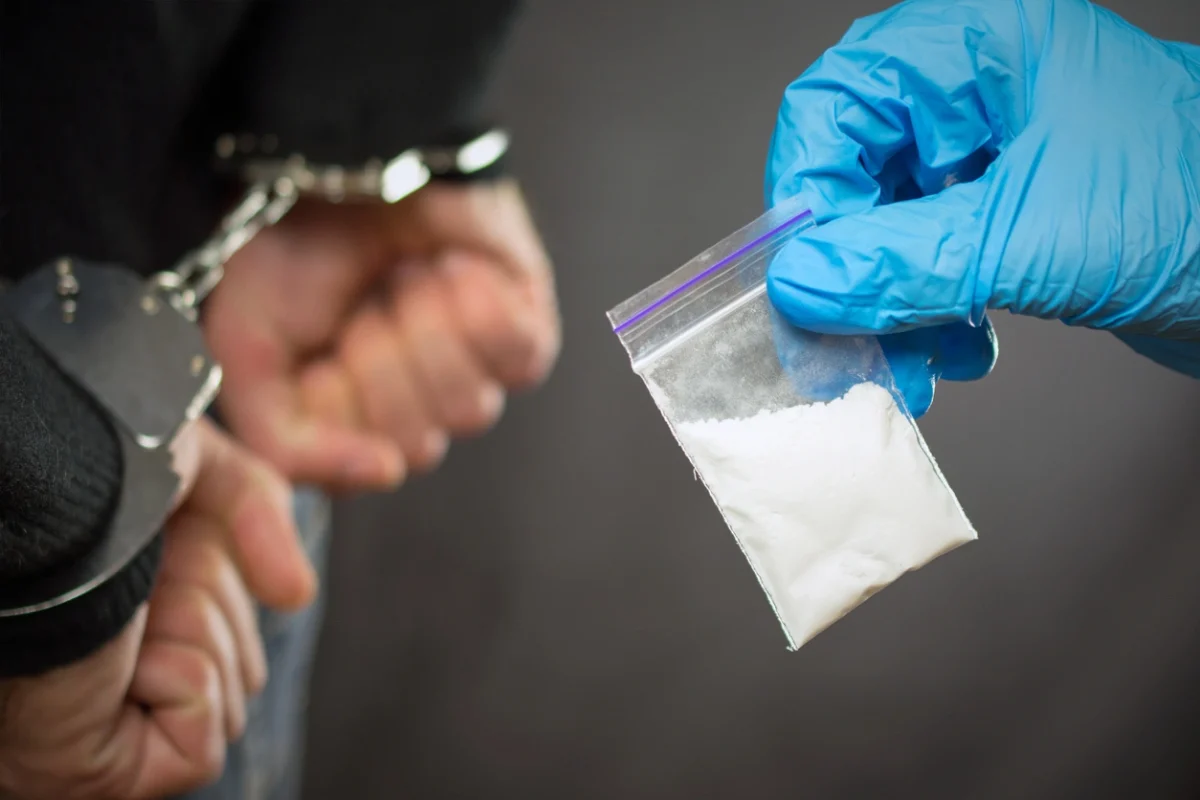
Drug trafficking charges in San Diego often center on allegations of transporting, selling, or possessing controlled substances with intent to distribute, where the prosecution must prove knowledge, control, and specific intent beyond a reasonable doubt. A San Diego drug crimes attorney systematically dissects these elements by examining the legality of evidence collection, the reliability of forensic proof, and the sufficiency of circumstantial indicators under California Health and Safety Code sections like 11352 for sale or transportation. These defenses draw from constitutional protections, statutory interpretations, and appellate precedents that emphasize procedural safeguards in high-stakes narcotics prosecutions.?
The framework for such cases typically involves initial police encounters leading to searches, followed by laboratory analysis and attribution of intent through packaging, quantity, or communications. Federal overlays under 21 U.S.C. § 841 can complicate matters when quantities trigger mandatory minimums, prompting a San Diego drug crimes attorney to differentiate state and federal burdens early in the process. Court procedures, including Penal Code section 1538.5 motions, provide structured avenues to challenge foundational evidence before trial.?
Suppressing Illegally Obtained Evidence
Motions to suppress under Penal Code section 1538.5 represent a cornerstone defense, as they target the admissibility of seized drugs, devices, or statements derived from warrantless stops, detentions, or searches that violate Fourth Amendment standards. Courts evaluate whether officers had probable cause or reasonable suspicion based on specific articulable facts, not mere hunches or profiles, and exclusion follows when constitutional thresholds are unmet. In practice, this litigation unfolds in a two-stage hearing: first determining historical facts, then applying legal standards to decide suppression, with appellate review preserving de novo analysis of mixed questions.?
Vehicle cases frequently invoke the automobile exception, where probable cause to believe contraband is present justifies warrantless searches of containers, as clarified in California v. Acevedo, which unified rules for vehicle and container searches under a single probable-cause standard. A San Diego drug crimes attorney leverages this by reconstructing timelines: what officers observed pre-search, whether odors or visible items sufficed for probable cause, and if the search exceeded the vehicle’s passenger compartment or luggage areas. When gaps appear—such as uncorroborated informant tips or prolonged detentions without justification—the entire evidentiary chain risks exclusion, collapsing the trafficking narrative.?
People v. Leyba exemplifies how initial stops grounded in traffic violations can escalate to full searches, with suppression turning on whether escalating intrusions remained tethered to objective suspicions rather than exploratory fishing. Defense arguments stress that reasonable suspicion demands particularized facts linking the individual to crime, and when profiles dominate—like out-of-state plates or nervous demeanor—courts may deem the stop pretextual, suppressing downstream fruits. This defense not only removes physical evidence but undermines lab reports and statements obtained post-seizure.?
Challenging Knowledge and Actual Possession
Prosecutors must establish that the accused knew of the substance’s presence and its controlled character, an element vulnerable in shared vehicles, residences, or concealed compartments where dominion is ambiguous. Health and Safety Code section 11352 requires knowing transportation or sale, meaning unwitting carriers or those without awareness of contents cannot sustain convictions. A San Diego drug crimes attorney counters by highlighting access by others, lack of fingerprints on packaging, or inconsistent statements attributing drugs to passengers or cohabitants.?
Constructive possession theories falter when proof of exclusive control is absent, as mere proximity fails under precedents demanding evidence of intent to control the item. In multi-occupant scenarios, the defense parses utility bills, mail, and personal effects to argue equal access negated dominion, shifting the burden back to circumstantial links like residue traces or exclusive fingerprints—which often prove inconclusive. This approach reframes the case from trafficking to at worst simple possession, altering penalties dramatically.?
Forensic disputes amplify these challenges: chain-of-custody breaks, commingled evidence from group arrests, or untested samples undermine attribution. Laboratories must confirm usability and purity, and when field tests yield false positives or samples degrade, the knowledge element crumbles, as juries cannot infer awareness from unverified presumptions.?
Disputing Intent to Sell or Distribute
Intent distinguishes possession from trafficking, with Health and Safety Code section 11351 targeting possession for sale based on indicia like baggies, scales, or ledgers—yet these are rebuttable inferences, not proof. A San Diego drug crimes attorney dissects them: personal-use quantities despite packaging, medical prescriptions explaining paraphernalia, or debts refuting dealer profiles. Appellate courts scrutinize whether totality supports intent beyond personal consumption, often reversing where alternatives explain circumstances.?
Federal 21 U.S.C. § 841 demands similar proof for distribution, where small amounts in personal containers suggest use, not commerce, per sentencing guidelines emphasizing conversion ratios and purity. Communications evidence—texts or calls—forms the crux, but ambiguous slang, deleted contexts, or third-party sourcing weaken inferences, especially absent observed transactions. The defense narrative posits legitimate purposes, like shared purchases among users, forcing prosecutors to prove commercial motive over reasonable doubt.?
Quantity thresholds trigger enhancements, but lab variances or bulk dilution arguments contest “pure” weights, invoking safety-valve reductions or downward departures when proof falters. This layered attack on intent often reduces charges mid-litigation, reflecting judicial wariness of overreach in circumstantial cases.?
Attacking Conspiracy and Aider-Liability Theories
Conspiracy under 21 U.S.C. § 846 or Penal Code section 182 requires an agreement plus overt acts, frequently alleged in multi-defendant trafficking rings via associations or logistics. A San Diego drug crimes attorney demands specificity: mere presence at stash houses or borrowed phones does not prove knowing adherence to an unlawful objective, per precedents requiring independent corroboration beyond accomplice testimony.?
Informant-driven theories invite credibility assaults, as biased cooperators with dropped charges taint probable cause affidavits, triggering Franks hearings for material omissions. When recordings capture equivocal roles—like drivers unaware of cargo—the agreement element dissolves, isolating defendants from enterprise liability and capping exposure to individual acts.?
Joint venture expansions similarly fail without dominion proof, as borrowing vehicles or rooms implies consent only if intent aligns, a high bar unmet by proximity alone. These defenses fragment group cases, turning unified prosecutions into disparate trials.?

Undermining Informant and Statement Evidence
Controlled buys and tips underpin many cases, but informant incentives—leniency or payment—demand corroboration, lest entrapment or fabrication claims arise. Miranda violations suppress post-custody admissions, with section 1538.5 extending to involuntary statements from coercive tactics. A San Diego drug crimes attorney timelines advisals against interrogation starts, arguing implied custody from flanked positions or drawn weapons negated waivers.?
Jail calls and proffer sessions yield ambiguous content ripe for reinterpretation: boasts as bravado, not confessions, or conditional statements lacking ownership. Voluntariness hearings probe psychological ploys, excluding fruits when totality shows compulsion.?
Navigating Federal-State Overlaps
San Diego’s border proximity invites dual sovereignty, with feds pursuing high-quantity 841 violations post-state dismissal via Petite policy exceptions. A San Diego drug crimes attorney prioritizes suppression to derail federal adoption, as attenuated evidence sustains state but not guideline-calculated minimums.?
Diversion programs like Prop 36 or federal deferrals hinge on clean records and cooperation, but robust defenses preserve eligibility by contesting predicates.?
For federal resources, the DEA outlines scheduling at https://www.dea.gov/drug-information.
An example practice overview appears at this experienced San Diego drug crimes attorney resource.
FAQ
What initial steps does a San Diego drug crimes attorney take in trafficking defenses?
A San Diego drug crimes attorney first secures discovery to map evidence sources, then files Penal Code 1538.5 motions targeting search legality, as unconstitutional seizures invalidate downstream lab and statement proof central to knowledge and intent elements. This procedural priority stems from case law like California v. Acevedo, ensuring probable cause scrutiny before merits engagement, often resolving cases pre-trial.?
How does lack of knowledge defense apply to vehicle trafficking?
Knowledge falters when drugs hide in third-party compartments, as Health and Safety Code 11352 demands awareness of presence and nature, unmet by passenger proximity alone. Defenses highlight alternative access, absent fingerprints, or unwitting transport narratives, leveraging constructive possession limits to negate dominion.?
Can intent to sell be overcome with personal use evidence?
Yes, when quantities align with chronic use patterns and indicia like scales suggest measurement for dosing, not division, rebutting section 11351 inferences. Contextual proofs—prescriptions, debts, or user associations—reframe circumstances, burdening prosecutors with commercial motive proof beyond doubt.?
What makes suppression motions effective against warrants?
Overbroad warrants or stale affidavits violate particularity, excluding excess seizures under 1538.5, especially when execution strays into unmentioned areas like phones. Defense reconstructions expose omissions, invoking Leon good-faith exceptions sparingly to preserve exclusions.?
How do federal trafficking penalties differ in San Diego?
21 U.S.C. § 841 ties minimums to purity-equivalent quantities, per guidelines, contrasting state wobblers with fixed ranges. San Diego drug crimes attorney strategies exploit proof gaps to avert federal transfer, preserving state-level mitigations.?