
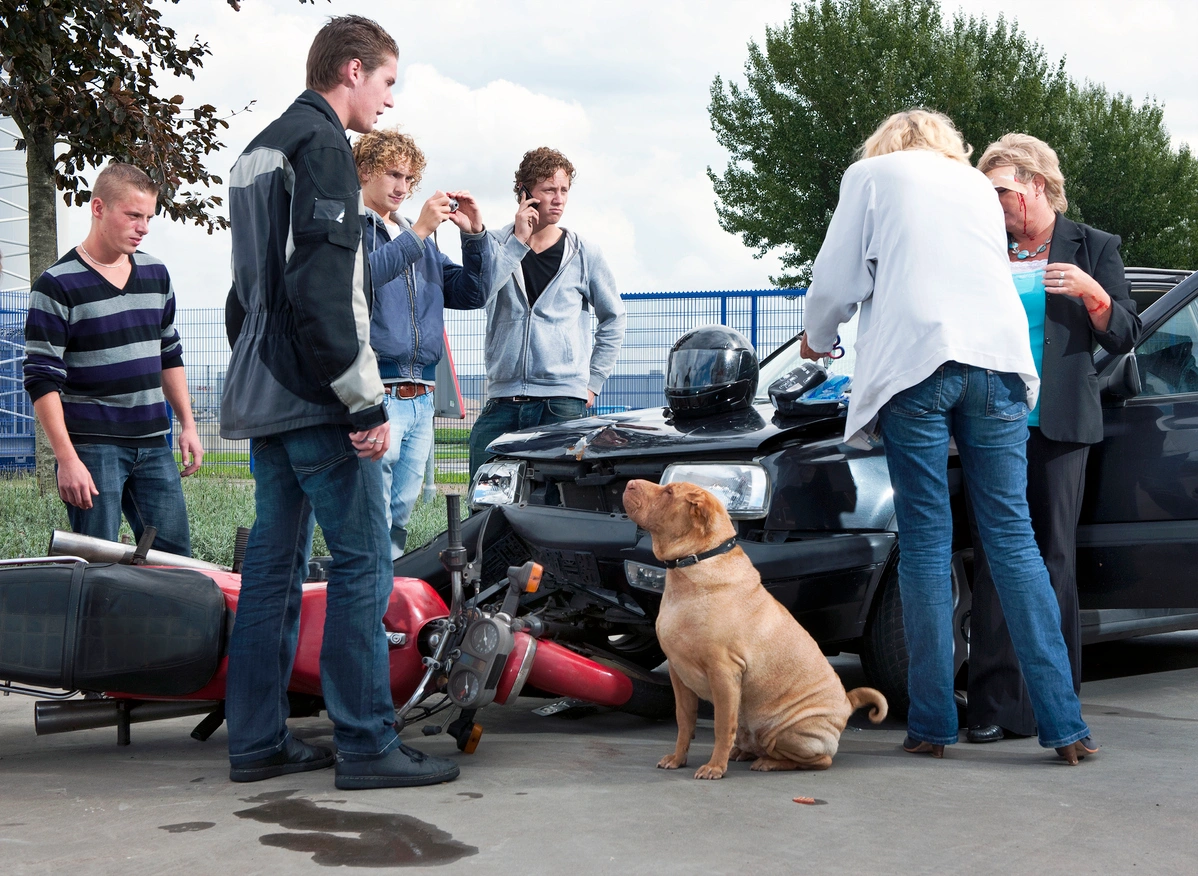
Determining whether legal representation is necessary after a San Diego motorcycle accident lawyer where fault is shared requires careful consideration of California’s legal framework. Under the state’s pure comparative negligence doctrine, established through landmark decisions and codified in statutes like California Civil Code sections 1714, 1431, and 1431.5, individuals can pursue compensation even if they bear partial responsibility for the incident. This system apportions damages based on each party’s percentage of fault, meaning recovery is possible regardless of the rider’s degree of culpability, as long as another party shares some blame. However, navigating insurance claims, evidence gathering, and potential litigation in such scenarios often demands specialized knowledge, particularly given the complexities unique to motorcycle cases in a high-traffic area like San Diego.?
California’s Pure Comparative Negligence Framework
California’s adoption of pure comparative negligence marked a significant departure from the harsher contributory negligence rule, which once barred recovery entirely if the plaintiff contributed to the harm. The California Supreme Court in Li v. Yellow Cab Co. (1975) laid the groundwork, replacing total bars with proportionate reductions in awards, a principle later refined in cases like American Motorcycle Assn. v. Superior Court (1978), which addressed joint and several liability among multiple tortfeasors. This means that in a San Diego motorcycle accident lawyer context, if a rider is deemed 40% at fault—perhaps for lane splitting under California Vehicle Code §21658.1 while another driver fails to yield—the rider’s damages award would be reduced by that percentage but not eliminated. Courts apportion fault based on evidence of negligence, defined under Civil Code §1714 as the failure to exercise ordinary care, a standard applied rigorously in traffic collision litigation.?
The implications extend to procedural stages, where fault percentages influence settlement negotiations and jury verdicts. Insurers frequently undervalue claims involving partial rider fault, citing factors like helmet non-compliance per Vehicle Code §27803 or speeding, which can inflate the plaintiff’s assigned liability. Detailed reconstruction of events, including witness statements and forensic analysis, becomes crucial to minimize the rider’s fault share, underscoring why procedural expertise matters from the outset.
Unique Risks in San Diego Motorcycle Crashes
San Diego’s coastal highways, such as I-5 and SR-163, and urban intersections amplify motorcycle vulnerabilities, with data showing 50 motorcyclist fatalities in the county in 2022 alone, ranking it among California’s top areas for such incidents. From 2017 to 2022, the city recorded 3,807 motorcycle accidents, injuring 4,086 people and killing 91, often due to limited visibility or right-of-way errors by other drivers. Nationally, the NHTSA reports motorcyclists comprise 15% of traffic fatalities despite fewer riders, a trend mirrored locally where urban traffic deaths rose 50% from 2014 to 2023.?
These statistics highlight how shared fault scenarios arise frequently: a rider weaving through traffic might share blame with a turning motorist, yet the rider faces disproportionate injury risks without protective enclosures. California Highway Patrol data via the Statewide Integrated Traffic Records System notes yearly increases in motorcyclist deaths, even as overall traffic safety improves elsewhere, emphasizing the need for precise fault allocation. In partial fault cases, proving the primary driver’s breach—such as distracted operation—requires compiling police reports, telematics data, and expert testimony, processes complicated by San Diego’s congested roadways.?
When Partial Fault Complicates Recovery
Partial fault introduces evidentiary hurdles, as insurers invoke defenses like the rider’s alleged improper lane positioning or failure to signal under Vehicle Code standards. For instance, if a motorcyclist exceeds safe speeds during filtering, courts may assign 20-30% fault, reducing a $100,000 claim to $70,000-$80,000, as illustrated in various apportionment examples. Statutory reporting under Vehicle Code §16000 mandates DMV SR-1 forms within 10 days for injuries or over $1,000 property damage, a step often mishandled without guidance, potentially suspending licenses or weakening claims.?
Moreover, helmet laws per CVC §27803, requiring U.S. DOT-compliant protection, factor into fault if non-compliance exacerbates injuries, though it does not bar recovery under comparative rules. Riders must also navigate minimum liability requirements under Insurance Code §11580.1, where underinsured motorists complicate partial fault settlements. These layers demand analysis of causation chains, where a San Diego motorcycle accident lawyer evaluates how the other’s primary negligence outweighs minor rider errors.?
Evidence Critical in Shared Fault Disputes
Establishing the true fault balance relies on multifaceted evidence: accident scene photos, black box data, and eyewitness accounts counter insurer arguments of rider imprudence. California courts, applying Evidence Code standards, prioritize objective proof over subjective narratives, as seen in lane-split verdicts where juries reduced awards but upheld primary driver liability. Medical records linking injuries to impact forces further delineate compensable damages, separate from fault percentages.?
Expert witnesses, including accident reconstructionists, quantify speeds and trajectories, essential when partial fault hinges on split-second maneuvers common in San Diego’s dynamic traffic. Failure to preserve this evidence early—such as not photographing skid marks—can tilt apportionment unfavorably, prolonging disputes into litigation.?
Insurance Dynamics with Partial Blame
Insurers apply comparative fault aggressively, offering lowball settlements assuming riders accept partial blame without contest. California’s at-fault system ties payouts to policy limits, but pure comparative rules preserve claims even at 99% fault, contrasting modified systems elsewhere. Uninsured/underinsured motorist coverage under Insurance Code §11580.2 becomes vital if the at-fault driver lacks sufficient limits, a frequent issue in multi-vehicle San Diego crashes.?
Claims processes involve SR-1 filings and insurer investigations, where untimely responses forfeit rights. Detailed demand letters citing statutes and precedents pressure fair offers, particularly when long-term medical costs from road rash or fractures loom large.?
Litigation Thresholds for Partial Fault Cases
Most claims settle pre-trial, but persistent insurer denial prompts Superior Court filings within two years per Code of Civil Procedure §335.1. Jury instructions under CACI No. 400 guide comparative findings, drawing from facts like Vehicle Code violations. In San Diego venues, local rules expedite discovery, but partial fault motions for summary judgment test evidentiary strength early.?
Trial preparation includes deposition strategies to lock in favorable testimony, ensuring juries grasp nuanced causation. Appeals on fault apportionment, rare but possible, invoke substantial evidence standards.
Procedural Steps Post-Accident
Immediate actions shape outcomes: secure the scene per CHP protocols, exchange information, and seek medical evaluation to document baseline injuries. Within 10 days, file DMV SR-1 if thresholds met, preserving claim viability. Preserve evidence by avoiding roadside statements that insurers twist into admissions of fault.?
Subsequent steps include notifying insurers without admitting liability, gathering dashcam footage, and consulting reconstruction for fault diagrams. These preserve maximal recovery under comparative rules.?
Why Expertise Matters in Complex Scenarios
Even minor partial fault amplifies disputes, as insurers leverage it to slash values amid San Diego’s high crash volume. Statutory nuances—like joint liability under Civil Code §1431.2 for non-economic damages—require precise application to avoid shortfalls. For those pondering options after a shared-blame crash, resources like those available through experienced counsel in motorcycle accidents detail pathways forward.?
Navigating these demands familiarity with local court dockets and insurer tactics honed over cases. The California DMV’s motorcycle handbook outlines safety standards that courts reference in fault assessments, reinforcing procedural diligence.?
Long-Term Injury and Economic Impacts
Motorcycle injuries often yield permanent impairments, from spinal fusions to traumatic brain injuries, inflating economic damages under Civil Code §3333. Partial fault reduces specials like lost wages but preserves recovery for proven losses. Future care projections, via life care planners, counter insurer minimization, vital in protracted claims.?
Non-economic pain awards, capped only in non-malicious cases post-MICRA reforms, hinge on fault clarity. San Diego juries, exposed to frequent rider cases, weigh evidence judiciously.?
Government Safety Standards and Prevention
Adhering to CHP guidelines on lane splitting—legal but risky at high differentials—mitigates fault arguments. The California Motorcyclist Safety Program stresses training, reducing novice errors that courts scrutinize. NHTSA data underscores visibility gear’s role, influencing negligence findings.
FAQ
Does California allow recovery if you’re partially at fault in a motorcycle accident?
California’s pure comparative negligence system, rooted in Civil Code §1714 and Supreme Court precedents like Li v. Yellow Cab Co., permits recovery proportional to the other party’s fault share, even if the rider bears majority blame. This contrasts with contributory bars, allowing claims as low as 1% other fault, though awards reduce accordingly—such as 30% rider fault yielding 70% of damages. Fault determination involves evidence of breaches like failure to yield, weighed against rider actions under Vehicle Code standards, ensuring equitable apportionment in San Diego motorcycle accident lawyer disputes.?
How is fault determined in San Diego partial-fault motorcycle crashes?
Fault allocation follows negligence elements—duty, breach, causation, damages—per Civil Code §1714, with evidence like police reports, forensics, and witness accounts reconstructing events. Courts apply CACI instructions, factoring San Diego-specific risks like I-5 congestion, where drivers’ visibility failures often predominate despite rider maneuvers. Juries assign percentages based on substantial evidence, as in lane-split cases upholding primary driver liability.?
What role do helmet laws play in partial fault claims?
Under Vehicle Code §27803, all riders must wear DOT-compliant helmets, with non-compliance potentially increasing assigned fault or reducing damage awards for avoidable head injuries, though not barring claims entirely. This intersects comparative rules, where failure to mitigate exacerbates liability shares, per DMV and CHP standards emphasizing protective gear.?
Can you still win a lawsuit with shared fault in a San Diego crash?
Yes, pure comparative doctrine supports lawsuits within two-year statutes, with fault percentages reducing but not eliminating awards, as affirmed in American Motorcycle Assn. v. Superior Court. Litigation demands robust evidence to minimize plaintiff fault, often yielding settlements post-discovery in San Diego courts handling high volumes.?
How does lane splitting affect fault in California accidents?
Lane splitting, per Vehicle Code §21658.1, is legal if safe, but excessive speed or proximity can elevate rider fault percentages in collisions, as juries assess reasonableness against surrounding conditions. CHP guidelines advise caution near large vehicles, balancing this with drivers’ mirror checks.?