
Emerging AI Brain Scans: Role of Brain injury attorney in Atlanta for Accurate 2025 Claims

In the evolving landscape of medical diagnostics, emerging AI brain scans are transforming how traumatic brain injuries are detected and documented, particularly in legal contexts. A brain injury attorney in Atlanta plays a critical role in interpreting these technologies for 2025 claims, where precision in evidence can determine outcomes under Georgia’s personal injury statutes. This article examines the intersection of AI neuroimaging advancements and legal proceedings, emphasizing procedural accuracy and statutory compliance.?

Understanding Emerging AI Brain Scans

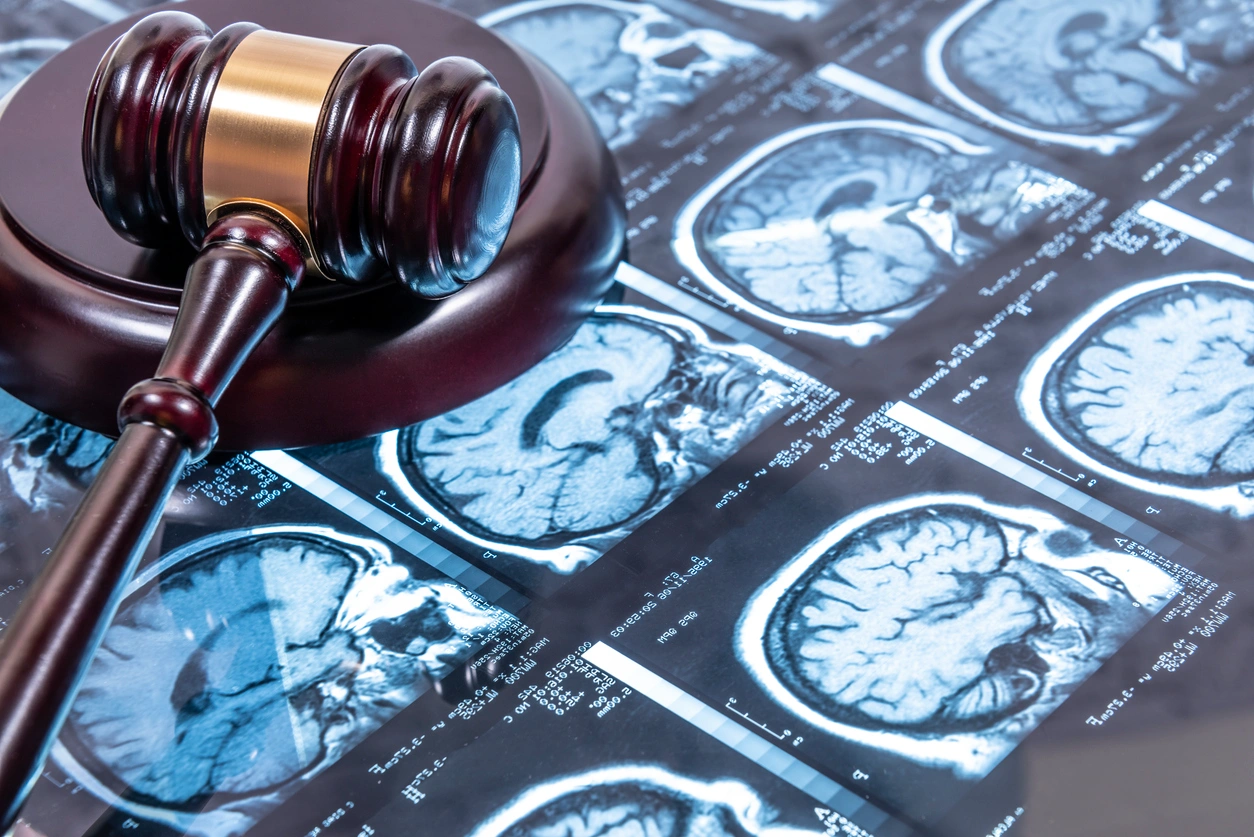
Emerging AI brain scans leverage machine learning algorithms to analyze neuroimaging data from CT, MRI, and functional MRI modalities, identifying subtle patterns of traumatic brain injury that traditional methods might overlook. These technologies, such as AI-powered tools for detecting microbleeds or segmenting lesions, have advanced significantly by 2025, with systems like those validated for intracranial hemorrhage detection and outcome prediction showing high accuracy in clinical settings. In Georgia, where brain injuries are defined under O.C.G.A. § 31-18-2 as traumatic insults from blunt or acceleration-deceleration forces causing neurological impairments, these scans provide objective evidence of symptoms like decreased consciousness or amnesia.?

The integration of AI in brain imaging addresses longstanding challenges in traumatic brain injury diagnosis, where conventional scans often miss diffuse axonal injuries due to their microscopic nature. For instance, generative AI models now create synthetic MRIs to simulate disease progression, enhancing research and forensic analysis for legal claims. Courts increasingly recognize such evidence when properly authenticated, as it aligns with standards set by agencies like the FDA for AI-enabled medical devices. This shift demands that legal professionals understand not just the medical output but also the algorithmic reliability to counter challenges from opposing experts.
Traumatic Brain Injury Under Georgia Law

Georgia law treats traumatic brain injuries as personal injuries actionable under O.C.G.A. § 51-1-6, which permits recovery for harm caused by another’s wrongful conduct, provided negligence is proven through duty, breach, causation, and damages. The state’s modified comparative negligence rule, codified in O.C.G.A. § 51-12-33, bars recovery only if the plaintiff is 50% or more at fault, making fault allocation pivotal in cases involving vehicle accidents or premises liability common in Atlanta. A brain injury attorney in Atlanta must navigate these provisions, gathering medical records and expert testimony to quantify lifelong impacts like cognitive deficits or emotional changes.?

Statutory timelines further complicate claims, with Georgia’s two-year statute of limitations for personal injury running from the date of injury, subject to limited tolling for discovery of latent effects or incapacity. Brain injuries often present delayed symptoms, prompting courts to apply the discovery rule sparingly, as seen in cases where initial mild symptoms escalated into severe impairments. The Brain and Spinal Injury Trust Fund under O.C.G.A. § 15-21-148 offers supplemental relief for uninsured defendants, but claimants must exhaust primary sources first, underscoring the need for comprehensive investigation early in the process.?

Public health data from the CDC reveals the prevalence of these injuries, with over 69,000 TBI-related deaths annually and higher rates among males and those over 75, informing damage calculations for lost earnings and future care. In Atlanta’s high-traffic environment, motor vehicle crashes account for a significant portion, aligning statistical risks with legal causation arguments. Attorneys leverage this data to bolster claims, ensuring juries appreciate the societal and individual toll.?

By 2025, AI brain scans are integral to claim substantiation, with tools like mind-captioning systems decoding brain activity into quantifiable metrics for court admissibility under Georgia’s evidence rules. These non-invasive techniques, boasting up to 95% accuracy in prognostication, detect lesions and predict outcomes, shifting the burden from subjective testimony to algorithmic validation. A brain injury attorney in Atlanta evaluates scan reliability, challenging biases in training data or FDA clearance status to prevent exclusion under Daubert standards.?

Legal proceedings require authentication of AI outputs, often through expert affidavits detailing the model’s validation against gold-standard datasets like those from NIH-funded studies. In a hypothetical Atlanta case involving a pedestrian strike, AI-enhanced CT analysis might reveal overlooked axonal shearing, supporting causation against a negligent driver. However, insurers frequently contest novelty, arguing insufficient peer-reviewed validation, which attorneys counter with references to publications in journals like The Lancet Digital Health. This evidentiary battle highlights the attorney’s role in bridging technology and jurisprudence.?

Procedural hurdles include preserving scan integrity via chain-of-custody protocols, as tampering allegations can derail cases. Georgia courts, applying Federal Rules of Evidence analogs, demand proof of scientific validity, making pre-trial motions common. Successful claims integrate AI data with traditional neurology, projecting damages via life-care plans informed by predictive models.?

Role of a Brain injury attorney in Atlanta

brain injury attorney in Atlanta ensures AI brain scan evidence withstands scrutiny by coordinating with neuroradiologists and AI specialists to prepare expert reports compliant with O.C.G.A. requirements. This involves dissecting scan metadata for algorithmic parameters, defending against motions to suppress based on hearsay or unreliability. In 2025, with portable MRI and real-time AI triage emerging, attorneys must adapt to dynamic evidence, filing timely demands under Georgia’s discovery rules.?

Negotiation phases benefit from AI’s precision, as quantified injury severity strengthens settlement positions against insurers undervaluing invisible harms. For example, in disputes over future medicals, attorneys present AI-modeled progression data alongside economist testimony, aligning with Georgia’s collateral source rule that excludes insurance offsets. Litigation demands mastery of local venue rules in Fulton County Superior Court, where experienced Brain injury attorney in Atlanta can expedite resolutions.?

Trial strategy emphasizes jury education on AI scans, using demonstrative aids to illustrate lesion impacts without oversimplification. Appeals often hinge on evidentiary rulings, requiring preservation of objections. Overall, the attorney orchestrates multidisciplinary teams to maximize recovery under caps absent in standard negligence claims.

Evaluation by a Brain Injury Attorney in Atlanta

Challenges with AI Evidence Admissibility

Admissibility challenges arise from AI’s black-box nature, where proprietary algorithms obscure decision rationales, prompting Georgia judges to probe reliability under O.C.G.A. § 24-7-702 expert witness standards. Defense experts may highlight false positives in diverse populations, necessitating counter-experts versed in model equity. By 2025, FDA-authorized tools mitigate some concerns, but courts demand case-specific validation.?

Ethical considerations include data privacy under HIPAA, as scans involve sensitive neural patterns; breaches can torpedo claims. Attorneys must secure protective orders, balancing disclosure with confidentiality. Variability in AI performance across injury severities—mild TBIs proving hardest—complicates prognosis, requiring layered evidence.?

Countering insurer tactics, like blaming pre-existing conditions, involves longitudinal AI tracking to isolate trauma effects, per CDC guidelines. Precedential cases, though nascent, affirm AI utility when peer-reviewed, setting Atlanta benchmarks.?

Damages Assessment in AI-Supported Claims

Economic damages encompass medical costs, lost wages, and rehabilitation, with AI scans providing baseline metrics for projections under Georgia’s O.C.G.A. § 51-12-4 noneconomic cap exceptions for severe injuries. Life-care planners use AI data to forecast therapies, validated by econometric models. A brain injury attorney in Atlanta litigates these valuations, invoking jury instructions on pain and suffering.?

Noneconomic harms, like emotional distress, gain traction through AI-visualized functional deficits, circumventing subjectivity critiques. Punitive awards under O.C.G.A. § 51-12-5.1 target egregious conduct, amplified by precise causation proof. Settlements average higher with robust AI evidence, per recent Georgia verdicts.?

Tax implications and structured payouts optimize recovery, with attorneys negotiating annuities. Professional advocates ensure holistic assessments, from vocational rehab to family impacts.?

Future Implications for 2025 Claims

Projections indicate AI brain scans will standardize TBI adjudication, integrating with Georgia’s electronic filing for real-time expert exchanges. Legislative updates may codify AI standards, mirroring federal trends. A brain injury attorney in Atlanta must stay abreast, leveraging resources like the CDC Traumatic Brain Injury page for epidemiological context.?

Interdisciplinary courts, with neutral AI evaluators, loom on the horizon, streamlining Atlanta caseloads. Ethical AI governance will prioritize transparency, bolstering E-E-A-T in judicial review. Claimants benefit from proactive documentation, positioning for evolving precedents.

Brain Injury Attorney in Atlanta

FAQ

What qualifies as a traumatic brain injury under Georgia law?

Under O.C.G.A. § 31-18-2, a traumatic brain injury constitutes a non-degenerative, non-congenital trauma to the brain from blunt, penetrating, or acceleration-deceleration forces, manifesting in decreased consciousness, amnesia, neurological abnormalities, skull fractures, or intracranial lesions, potentially causing temporary or permanent functional disability. This definition guides brain injury attorney in Atlanta evaluations, distinguishing actionable claims from other impairments through clinical correlation and imaging. Courts apply this strictly, requiring expert linkage to incident causation for compensation eligibility.?

How does AI brain scanning improve 2025 brain injury claims?

AI brain scans in 2025 enhance claims by automating lesion detection, segmentation, and prognostication with up to 95% accuracy on CT and MRI data, enabling precise quantification of diffuse injuries often invisible on standard imaging. These tools, validated in studies for triage and outcome prediction, provide courts with reproducible evidence under Georgia’s Daubert-like standards, countering insurer minimization. Legal professionals integrate them with traditional diagnostics to fortify negligence proofs and damage models.?

What is Georgia’s statute of limitations for brain injury claims?

Georgia imposes a two-year statute of limitations for personal injury claims, including brain injuries, from the injury date per O.C.G.A. § 9-3-33, with narrow tolling for minors, incapacity, or fraud, and a discovery rule for latent manifestations. Missing this deadline forfeits rights, compelling early consultation with a brain injury attorney in Atlanta to preserve evidence like AI scans. Exceptions demand rigorous documentation to avoid summary judgments.?

How is fault determined in Atlanta brain injury cases?

Fault determination follows Georgia’s modified comparative negligence under O.C.G.A. § 51-12-33, allowing recovery if plaintiff fault is under 50%, with proportional reduction otherwise, proven via accident reconstruction, witnesses, and medical causation. AI scans delineate injury timing and severity, aiding apportionment in multi-party Atlanta crashes. Juries weigh evidence holistically, guided by pattern instructions.?

Can AI scan results be challenged in court?

AI scan results face challenges on reliability, bias, and relevance under O.C.G.A. § 24-7-702, requiring proponent proof of scientific validity, peer review, and error rates through expert testimony. Defenses target training data diversity or black-box opacity, but FDA-cleared tools and publication records strengthen admissibility. Pre-trial hearings resolve disputes, ensuring only robust evidence proceeds.?

What damages are recoverable in Georgia TBI lawsuits?

Recoverable damages include economic losses like medicals and wages, plus noneconomic pain and suffering, with AI scans supporting life-care valuations exempt from caps for catastrophic injuries under O.C.G.A. § 51-12-4. Punitive damages apply to willful misconduct per § 51-12-5.1. Settlements predominate, factoring future needs via actuarial projections.

Richmond Traumatic Brain Injury Lawyer Insights: What to Do Immediately After a Head Injury

When a head injury occurs in Richmond, Virginia, consulting a Richmond traumatic brain injury lawyer becomes a critical consideration early in the process, particularly within the first few days. These injuries, known as traumatic brain injuries or TBIs, disrupt normal brain function and can range from mild concussions to severe impairments requiring lifelong care. Virginia courts recognize the profound impacts under personal injury laws, where timely actions preserve rights to compensation for medical expenses, lost wages, and pain and suffering. The initial response sets the foundation for both health recovery and potential legal proceedings, emphasizing the need for prompt medical evaluation and evidence preservation.

Medical professionals classify TBIs based on severity using tools like the Glasgow Coma Scale, which assesses eye, verbal, and motor responses post-injury. In Richmond, local hospitals such as VCU Medical Center often handle acute cases, where emergency protocols prioritize stabilizing the patient before diagnostic imaging like CT scans. A Richmond traumatic brain injury lawyer advises that even seemingly minor symptoms warrant thorough assessment, as delayed complications can emerge weeks later, complicating both treatment and liability determinations.

Understanding Traumatic Brain Injuries in Virginia

Traumatic brain injuries encompass a spectrum of damage from external forces, including falls, vehicle collisions, assaults, and sports impacts, affecting over 2.8 million Americans annually according to federal health data. In Virginia, these incidents frequently arise in urban areas like Richmond, where traffic density and construction sites elevate risks. The brain’s vulnerability stems from its enclosure in the skull, leading to primary injuries like fractures or lacerations and secondary effects such as swelling or bleeding that exacerbate damage over time.

Legal frameworks in Virginia treat TBIs as personal injuries under Title 8.01 of the Code of Virginia, allowing recovery for economic and non-economic damages if negligence is proven. Courts examine causation through expert testimony, often drawing on neuropsychological evaluations to link the incident to cognitive deficits. Families facing these injuries must navigate insurance claims alongside health management, where a Richmond traumatic brain injury lawyer can interpret policy exclusions common in auto or premises liability cases.

Public health authorities outline symptoms including headaches, confusion, nausea, seizures, and behavioral changes, urging immediate intervention to prevent progression. Virginia’s Department of Health aligns with national guidelines, promoting awareness through campaigns that stress helmet use and safe driving. Case law illustrates the stakes; for instance, settlements in Henrico County have compensated victims for ongoing therapies after TBIs from admitted-fault accidents, underscoring the value of documented negligence.

Immediate Medical Response After a Head Injury

The first priority following any head impact remains seeking emergency medical care, regardless of apparent severity, as subtle TBIs can evolve into life-threatening conditions. Emergency rooms in Richmond apply standardized protocols, initiating vital sign monitoring, pupil checks, and imaging to rule out hemorrhages or contusions. Delaying treatment risks worsened outcomes, as brain tissue lacks resilience to oxygen deprivation or pressure buildup from edema.

Healthcare providers recommend rest in a controlled environment initially, avoiding screens or exertion that could trigger post-concussion syndrome. Follow-up involves neurologists who conduct cognitive assessments and prescribe medications for symptoms like vertigo or memory lapses. Under Virginia workers’ compensation rules for occupational TBIs, employers must facilitate this care, but disputes often arise over causation, necessitating legal review early.

Documentation proves essential here; patients should record all symptoms, treatments, and provider interactions in a journal, noting impacts on sleep, mood, or concentration. This record supports both clinical progress tracking and future claims, where insurers scrutinize gaps in care to argue contributory negligence. A Richmond traumatic brain injury lawyer emphasizes preserving ambulance reports and discharge summaries as foundational evidence.

Documenting the Incident and Gathering Evidence

Preserving details of the head injury event forms the cornerstone of any subsequent legal action in Virginia. Witnesses provide affidavits describing the circumstances, such as a slip on uncleared sidewalks or a rear-end collision at a Richmond intersection. Photographs of the scene, vehicle damage, or injury markers like bruises offer visual corroboration, timestamped for authenticity.

Police reports carry significant weight, invoking Virginia Code provisions on accident reporting that mandate details for crashes exceeding property damage thresholds. These documents establish fault preliminaries, aiding in proving breaches of duty under negligence standards. Medical records link the trauma to diagnosed TBIs, with bills accumulating to quantify economic losses.

Families should secure surveillance footage from nearby businesses or traffic cameras promptly, as retention policies limit access. Expert reconstruction later analyzes biomechanics, but initial lay evidence remains irreplaceable. Engaging an experienced advocate early ensures systematic collection, preventing spoliation claims that could bar key proofs.

Virginia imposes a strict two-year statute of limitations for personal injury actions, including TBIs, under § 8.01-243 of the Code of Virginia, commencing from the injury date. This period holds irrespective of ongoing treatment or undiscovered effects, compelling swift initiation of lawsuits to avoid barring recovery. Exceptions apply narrowly, such as tolling for minors until age 18 plus two years, or absences of defendants from the state.?

Medical malpractice TBIs face extensions under § 8.01-243(C), granting one additional year from discovery of foreign objects or concealed negligence, capped at ten years total. Courts strictly construe these, as seen in cases where late filings dismissed claims despite sympathetic facts. Insurers exploit delays, reducing settlements by questioning injury gravity.

Premises liability for falls on properties demands notice within five years for property damage but aligns with personal injury timelines for bodily harm. A Richmond traumatic brain injury lawyer stresses filing demands letters within months to pressure fair offers before litigation. Adhering to these deadlines preserves access to compensatory remedies under Virginia’s modified comparative fault system, barring plaintiffs exceeding 50% responsibility.

Insurance Considerations in TBI Claims

Navigating insurance post-TBI requires understanding Virginia’s at-fault system, where the responsible party’s liability coverage funds primary recovery. Auto policies cap bodily injury limits, often necessitating underinsured motorist provisions from the victim’s carrier. Health insurance coordinates benefits, subrogating payments that attorneys negotiate to minimize claimant outlays.

Workers’ compensation covers occupational TBIs without fault proof, providing wage replacement at two-thirds rates alongside medicals, per Title 65.2. Disputes over “arising out of” employment trigger hearings before the Virginia Workers’ Compensation Commission. Long-term disability policies supplement, but pre-existing condition exclusions demand careful application review.

Insurers deploy adjusters to minimize payouts, requesting recorded statements that inadvertently undermine claims. Delegating communications prevents pitfalls, allowing focus on rehabilitation. Settlements average variably by severity; mild cases yield lower figures, while severe ones command millions when lifelong care evidences.

Richmond Traumatic Brain Injury Lawyer

When to Consult a Richmond Traumatic Brain Injury Lawyer

Involvement of legal counsel post-head injury aligns with procedural necessities, particularly after stabilization when capacity allows informed decisions. Attorneys evaluate viability through records review, identifying viable defendants like negligent drivers or property owners. Early assessment forecasts settlement values using verdict comparables from Virginia databases.

Litigation unfolds in Richmond Circuit Court for sums exceeding general district limits, demanding discovery compliance and motion practice. Expert witnesses, including neuroradiologists, testify on permanency under Daubert standards akin to federal Rule 702. Trials hinge on jury instructions framing negligence per Virginia Model Jury Instructions.

For those pondering next steps, resources from the CDC on traumatic brain injury detail symptom management aligning with legal evidence needs. Complexities like multiple tortfeasors or government immunity invoke specific statutes, underscoring specialized guidance.?

Long-Term Effects and Recovery Processes

TBIs manifest enduring consequences, from executive function deficits hindering employment to emotional dysregulation straining relationships. Neuroplasticity offers recovery potential via therapies like occupational and speech rehabilitation, tailored in Richmond facilities. Longitudinal studies track outcomes, informing damage models in suits projecting future costs discounted to present value.

Virginia Medicaid waives certain liens for catastrophic injuries, easing financial burdens under 12VAC30-90-330 for nursing needs. Vocational experts assess employability, countering defense vocational critiques. Families adapt through support groups, mitigating secondary psychological traumas.?

Legal recoveries encompass future medicals, with life care plans itemizing therapies, aides, and modifications. Courts scrutinize these via Frye hearings on methodology reliability. Persistence in appeals upholds awards, as precedents affirm comprehensive redress.

Seeking guidance from a professional Richmond traumatic brain injury lawyer familiar with local nuances proves invaluable amid these challenges. Multi-disciplinary teams coordinate care, mirroring litigation strategies.

Case Examples from Virginia Courts

Virginia jurisprudence provides precedents illuminating TBI claim trajectories. In one Henrico settlement, a woman with pre-existing conditions secured compensation post-auto TBI, leveraging admissions of fault. Police misconduct cases yielded awards for mild injuries, factoring emotional distress.?

Bennett v. Richmond upheld psychologist causation testimony under evidentiary rules, broadening admissible proofs. These rulings guide motions in limine, excluding speculative defenses. Juries weigh lifestyle alterations, awarding non-economics judiciously.?

Appellate oversight ensures consistency, remanding for Daubert compliance where needed. Such cases educate on bolstering claims with robust forensics.

Preventive Measures and Public Policy

Virginia’s youth concussion laws mandate removal from play post-suspicion, per legislative reforms. Helmets and infrastructure improvements curb incidences, per state safety data. Education campaigns foster reporting, reducing underdiagnosis.?

Policy evolves with epidemiological inputs, prioritizing vulnerable populations. Enforcement deters recklessness, aligning tort deterrence aims.

Hiring a Richmond traumatic brain injury lawyer

FAQ

What immediate steps should follow a suspected head injury in Richmond?

Following a suspected head injury in Richmond, individuals must prioritize emergency medical evaluation to assess for traumatic brain injury indicators like loss of consciousness or severe headaches. Healthcare protocols, consistent with national guidelines, involve imaging and monitoring to detect complications such as intracranial bleeding, which can develop rapidly. Documenting the incident details alongside symptoms establishes a baseline for treatment and any ensuing legal evaluations under Virginia personal injury frameworks, ensuring comprehensive care initiation without delay.

How does Virginia law define the statute of limitations for TBI claims?

Virginia law establishes a two-year statute of limitations for personal injury claims including traumatic brain injuries, as codified in § 8.01-243(A), running from the accrual date irrespective of treatment status. Extensions apply selectively for malpractice discoveries or minors, but courts enforce rigidly to promote timely resolutions. Consulting a Richmond traumatic brain injury lawyer within this window facilitates evidence assembly and demand formulation, safeguarding compensatory entitlements against procedural forfeitures.?

What role does documentation play in a traumatic brain injury case?

Documentation in traumatic brain injury cases captures symptom progression, medical interventions, and incident circumstances, forming the evidentiary backbone for proving causation and damages in Virginia courts. Journals detailing daily impairments, coupled with bills and expert reports, counter insurer minimizations and support quantum calculations. This practice aligns with discovery mandates, enabling thorough case construction resistant to summary judgments.

Can mild head injuries lead to long-term complications requiring legal action?

Mild head injuries frequently precipitate long-term complications like chronic migraines or cognitive deficits, necessitating legal action when negligence underlies the event. Virginia precedents recognize these evolutions through neuropsychological validations, extending beyond initial diagnostics. Proactive management via specialists underscores claim viability, where undervalued policies prompt litigation for full redress encompassing future therapies.

How do insurance companies respond to Richmond traumatic brain injury lawyer claims?

Insurance companies in Richmond respond to traumatic brain injury claims with investigations scrutinizing pre-existing conditions and mitigation efforts to cap liabilities under policy terms. Adjusters request examinations and statements, often undervaluing projections absent attorney intervention. Virginia’s unfair claims practices statutes deter bad faith, empowering negotiations or suits for policy maxima when disputes persist.

What factors influence compensation amounts in Virginia TBI lawsuits?

Compensation in Virginia TBI lawsuits hinges on injury severity, economic losses, liability clarity, and comparative fault allocations under the 51% bar rule. Courts quantify via expert life care valuations and wage analyses, tempered by caps absent for most torts. Precedents calibrate non-economics against lifestyle disruptions, yielding varied awards reflective of evidentiary strength.

Index