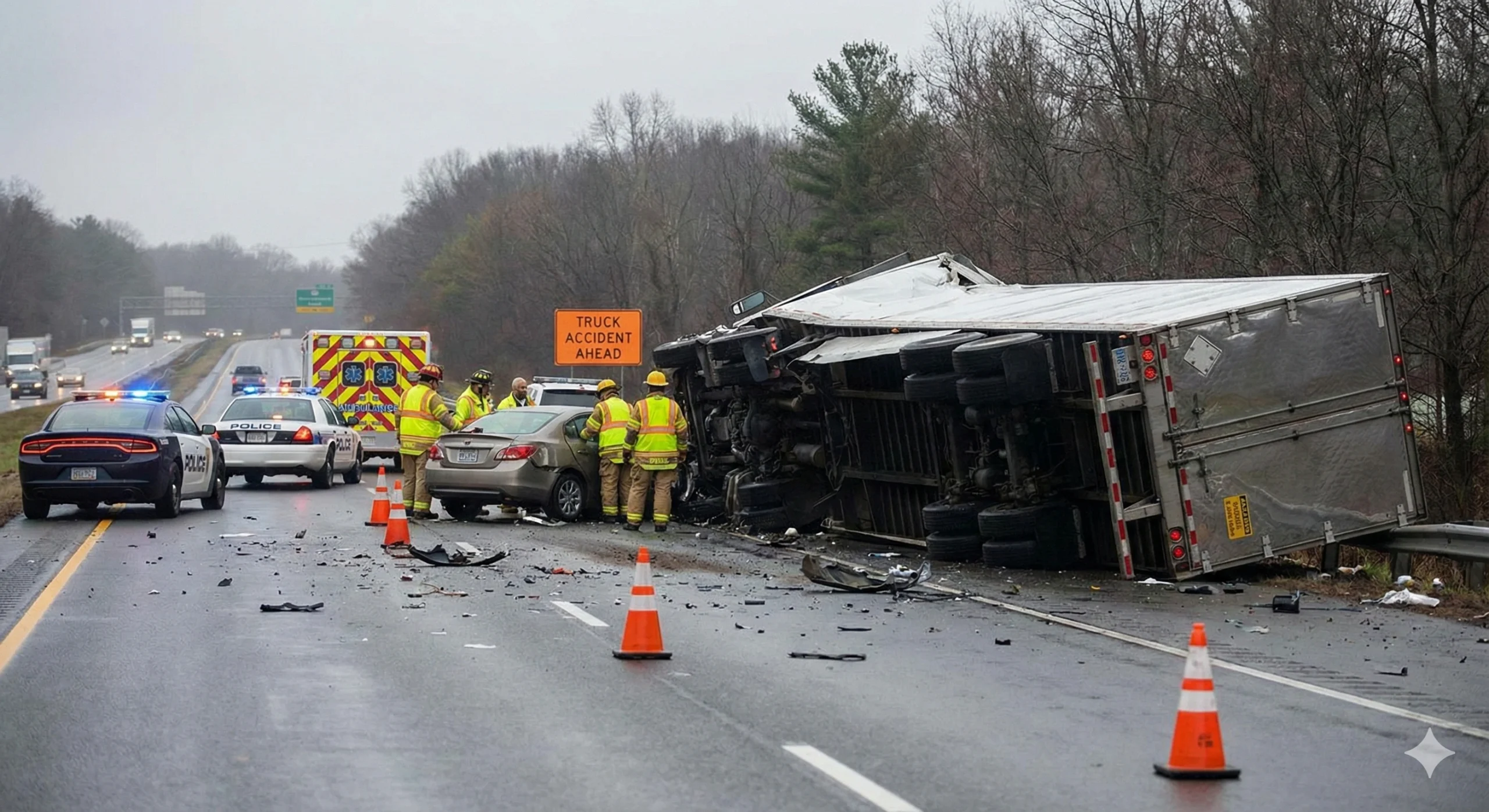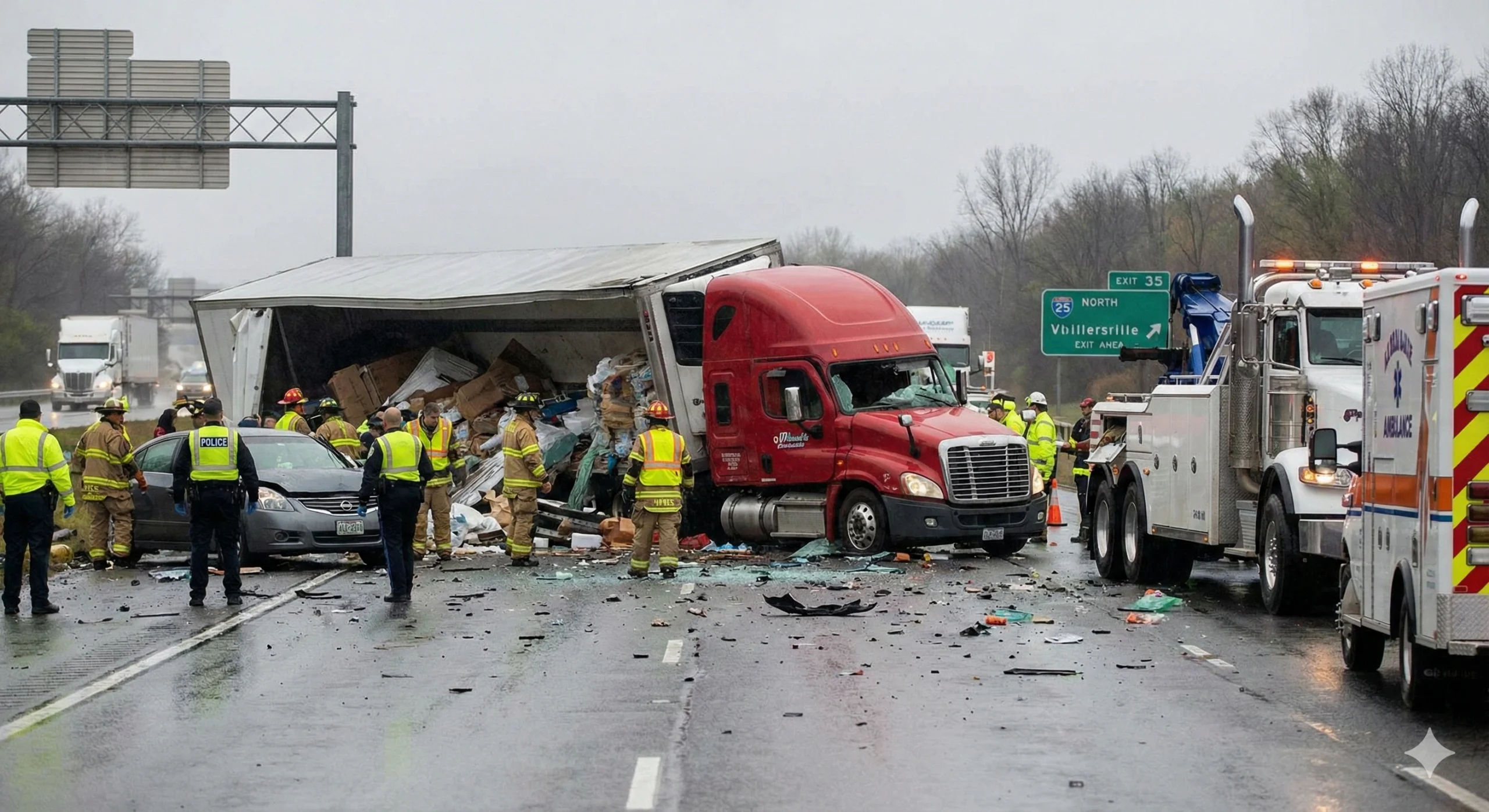
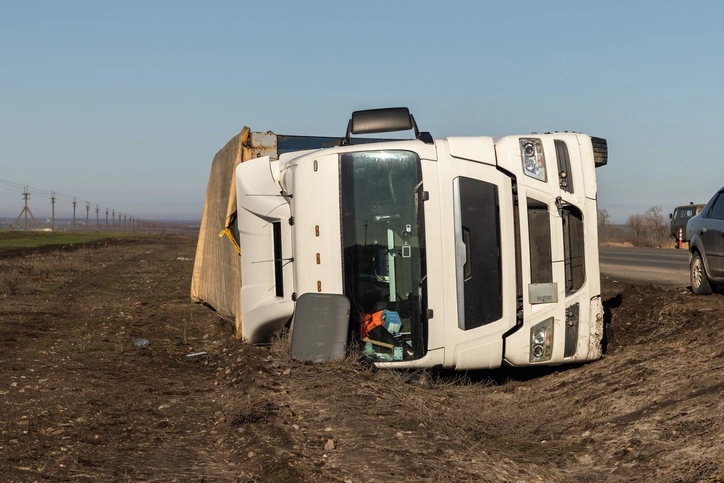
Federal Motor Carrier Safety Administration compliance remains one of the most scrutinized aspects of commercial transportation litigation in the United States. In 2025, regulatory enforcement continues to evolve as crash data, roadside inspection trends, and civil litigation intersect more frequently. When serious truck collisions occur in West Texas, a truck accident lawyer in Odessa typically evaluates whether violations of federal safety regulations contributed to the event. These violations are not abstract administrative issues; they often form the factual backbone of negligence and liability determinations in Texas courts.
Under the Federal Motor Carrier Safety Regulations (FMCSRs), interstate and intrastate commercial motor carriers must comply with detailed operational standards governing driver conduct, vehicle maintenance, cargo securement, drug and alcohol testing, and recordkeeping. Courts routinely treat these regulations as evidence of the standard of care owed by trucking companies and drivers. A truck accident lawyer in Odessa therefore approaches each case with a regulatory lens, examining whether the conduct at issue deviated from mandatory safety rules designed to protect the motoring public.
This article provides a structured, legally grounded analysis of the most common FMCSA violations investigated in 2025. It explains how those violations arise, how they are documented, and why they matter in civil truck accident litigation, particularly within the jurisdictional and procedural framework applicable in Texas.
The Role of FMCSA Regulations in Truck Accident Investigations
FMCSA regulations operate as a comprehensive safety code for commercial motor vehicle operations. While the FMCSA itself is an administrative agency, its regulations frequently become relevant in civil proceedings through negligence per se arguments, evidentiary inferences, or expert testimony. A truck accident lawyer in Odessa examines these rules not for regulatory enforcement purposes, but to determine whether noncompliance created unreasonable risk.
Texas courts have long recognized that violation of a safety statute or regulation may constitute evidence of negligence if the injured party belongs to the class of persons the regulation was intended to protect. FMCSA rules explicitly aim to reduce crashes, injuries, and fatalities involving large trucks. As a result, regulatory breaches often align closely with factual causation issues in serious collisions.

Hours-of-Service Violations Identified by a Truck accident lawyer in Odessa
One of the most frequently cited FMCSA violations involves hours-of-service compliance. These rules limit the number of hours a commercial driver may operate without rest, reflecting well-documented research linking fatigue to impaired reaction time and judgment.
How Hours-of-Service Violations Occur
Drivers may exceed driving limits due to tight delivery schedules, improper dispatch practices, or inadequate monitoring by motor carriers. In 2025, electronic logging devices (ELDs) have reduced some forms of falsification, but violations still occur through improper edits, misuse of exemptions, or failure to log off-duty time accurately.
A truck accident lawyer in Odessa typically reviews ELD data, fuel receipts, toll records, and GPS information to identify discrepancies between recorded driving time and actual vehicle movement. These records often reveal systemic compliance failures rather than isolated mistakes.
Legal Significance Under Texas Law
When fatigue-related violations are present, they may support claims that a driver operated while unfit, and that the motor carrier failed in its duty to enforce compliance. Courts may allow juries to infer that excessive driving hours increased crash risk, particularly when combined with evidence of delayed braking or lane deviations.
Driver Qualification File Deficiencies Reviewed by a Truck accident lawyer in Odessa
FMCSA regulations require motor carriers to maintain driver qualification files documenting licensing, medical certification, driving history, and training. Inadequate or incomplete files remain a recurring issue in truck accident investigations.
Common Qualification File Violations
Deficiencies often include expired medical examiner certificates, missing employment history verifications, or failure to conduct required annual driving record reviews. A truck accident lawyer in Odessa assesses whether these omissions indicate negligent hiring or retention practices.
Connection to Negligence Claims
Texas courts may consider whether a reasonably prudent motor carrier would have allowed a driver with incomplete qualifications to operate a commercial vehicle. When regulatory documentation is missing or outdated, it may suggest a broader pattern of safety oversight failures.
Vehicle Maintenance and Inspection Violations in 2025
Mechanical defects remain a significant contributor to truck crashes, particularly involving braking systems, tires, and steering components. FMCSA regulations impose detailed inspection, repair, and maintenance obligations on carriers.
Maintenance Failures Commonly Investigated
A truck accident lawyer in Odessa often uncovers violations such as overdue inspections, falsified maintenance logs, or failure to repair known defects. Post-crash inspections conducted by law enforcement frequently document brake out-of-service conditions or tire failures that should have been detected earlier.
Evidentiary Impact in Litigation
Maintenance records are admissible to demonstrate whether a carrier exercised reasonable care. When records show repeated deferred repairs or noncompliance with inspection intervals, they may support arguments that the carrier placed cost or efficiency above safety.
Cargo Securement Violations Evaluated by a Truck accident lawyer in Odessa
Improperly secured cargo can shift during transit, leading to rollovers, jackknifes, or spilled loads that endanger other motorists. FMCSA cargo securement rules specify methods, equipment, and weight distribution requirements.
How Securement Violations Arise
Violations may involve insufficient tie-downs, overloaded trailers, or failure to recheck cargo during transit. A truck accident lawyer in Odessa reviews bills of lading, loading diagrams, and inspection reports to determine whether securement standards were followed.
Liability Implications
Cargo-related violations may implicate not only the driver and carrier, but also shippers or loading contractors. Courts analyze whether each party exercised control over the loading process and whether regulatory duties were delegated or retained.
Drug and Alcohol Testing Noncompliance
FMCSA regulations mandate pre-employment, random, post-accident, and reasonable suspicion drug and alcohol testing. Noncompliance in this area raises serious public safety concerns.
Patterns of Testing Violations
A truck accident lawyer in Odessa may identify failures to conduct required post-accident testing, improper testing procedures, or incomplete records within the Drug and Alcohol Clearinghouse. These issues can undermine a carrier’s claim of regulatory compliance.
Relevance to Civil Proceedings
While the absence of testing does not prove impairment, it may allow adverse inferences regarding a carrier’s safety culture. Courts may permit evidence showing that regulatory safeguards designed to deter impaired driving were ignored.
Electronic Logging Device Compliance Issues
Although ELDs are intended to enhance accuracy, they have introduced new compliance challenges. Improper device use, unauthorized edits, and failure to retain data remain common violations.
A truck accident lawyer in Odessa evaluates whether ELD data was preserved in accordance with federal retention requirements. Missing or altered data may raise spoliation concerns, potentially affecting evidentiary rulings.

Speeding and Unsafe Driving Violations Under FMCSA Standards
FMCSA regulations require drivers to operate at safe speeds considering traffic, weather, and road conditions. Speeding citations issued after a crash often trigger deeper regulatory analysis.
Unsafe Driving Patterns
Inspection histories may reveal repeated speeding or reckless driving violations. A truck accident lawyer in Odessa reviews these histories to assess whether the carrier ignored warning signs requiring corrective action.
Impact on Standard of Care Analysis
Repeated unsafe driving violations may support claims that the carrier failed to supervise or discipline drivers appropriately, increasing foreseeable risk.
Failure to Comply With Accident Reporting Requirements
Motor carriers must maintain accident registers documenting crashes involving fatalities, injuries, or towed vehicles. Incomplete or inaccurate registers remain a compliance issue.
A truck accident lawyer in Odessa compares accident registers with police reports and insurance records to identify omissions. These discrepancies may indicate attempts to minimize regulatory scrutiny.
FMCSA Safety Measurement System Data as Investigative Context
While not determinative of liability, FMCSA Safety Measurement System (SMS) data provides context regarding a carrier’s safety performance. A truck accident lawyer in Odessa may reference SMS trends to demonstrate patterns of noncompliance.
For authoritative regulatory guidance, FMCSA publishes official explanations and enforcement policies through https://www.fmcsa.dot.gov/regulations. This federal resource outlines the statutory framework governing commercial motor vehicle safety.
Texas Procedural Considerations in FMCSA-Based Claims
Under Texas Civil Practice and Remedies Code provisions, plaintiffs must establish duty, breach, causation, and damages. FMCSA violations may inform the breach analysis, but they must still be connected to the crash through competent evidence.
A truck accident lawyer in Odessa therefore integrates regulatory findings with accident reconstruction, medical testimony, and economic analysis to present a cohesive case narrative.
Interaction Between State Law and Federal Regulations
Although FMCSA rules are federal, Texas courts routinely apply them as evidence of industry standards. Preemption issues rarely bar their consideration in personal injury cases because plaintiffs are not seeking to enforce federal law directly, but rather to establish negligence under state law.
Investigative Use of Law Enforcement and Inspection Reports
Roadside inspection reports and crash narratives prepared by Texas Department of Public Safety officers frequently document FMCSA violations. A truck accident lawyer in Odessa reviews these reports alongside federal inspection databases to corroborate findings.
Record Preservation and Spoliation Issues
Failure to preserve logs, maintenance records, or ELD data may lead to spoliation claims. Courts may impose sanctions or adverse inferences when evidence subject to regulatory retention requirements is destroyed.
Long-Term Regulatory Trends Affecting 2025 Investigations
In 2025, increased data integration between state and federal agencies has improved detection of repeat offenders. A truck accident lawyer in Odessa must therefore analyze both historical and contemporaneous compliance data to assess liability accurately.
Internal Compliance Policies as Evidence
Carrier safety manuals and internal policies may exceed FMCSA minimum standards. When a carrier violates its own policies, courts may view that failure as additional evidence of negligence.
Jurisdictional Relevance for Odessa-Based Collisions
Commercial corridors surrounding Odessa experience significant heavy truck traffic. A truck accident lawyer in Odessa must account for regional traffic patterns, enforcement practices, and court precedents when evaluating FMCSA violations.
For further context on how federal safety rules intersect with local litigation, some practitioners reference detailed analyses available through experienced commercial vehicle collision analysis resources, which discuss procedural considerations without altering the applicable legal standards.
Evidentiary Weight of Post-Crash Inspections
Post-crash inspections often reveal violations unrelated to the immediate cause of the collision. A truck accident lawyer in Odessa assesses whether such violations are admissible and relevant, balancing probative value against potential prejudice.
The Importance of Expert Testimony
Regulatory compliance experts often testify regarding FMCSA standards and industry practices. Their testimony helps translate technical regulations into concepts understandable by courts and juries.
Conclusion: Regulatory Compliance as a Lens, Not a Shortcut
FMCSA violations do not automatically establish liability, but they provide a structured framework for evaluating conduct. In 2025, a truck accident lawyer in Odessa approaches these cases with careful attention to statutory language, factual causation, and evidentiary standards. Regulatory analysis, when combined with thorough factual investigation, remains a central component of serious truck accident litigation.
Frequently Asked Questions About FMCSA Violations in Truck Accident Cases
How does a truck accident lawyer in Odessa identify FMCSA violations after a crash?
A truck accident lawyer in Odessa reviews inspection reports, electronic logging device data, maintenance records, and driver qualification files to determine whether federal safety regulations were violated. This analysis often involves cross-referencing multiple data sources.
Are FMCSA violations automatically considered negligence in Texas?
FMCSA violations are not automatic proof of negligence, but Texas courts may consider them as evidence of a breach of the standard of care if the violation is relevant to the cause of the crash and the injured party falls within the protected class.
Which FMCSA violations are most common in serious truck collisions?
Common violations include hours-of-service noncompliance, inadequate vehicle maintenance, incomplete driver qualification files, and cargo securement failures. A truck accident lawyer in Odessa evaluates which violations, if any, are causally related to the incident.
Can FMCSA compliance records be used even if no citation was issued?
Yes. Even if law enforcement did not issue a citation, FMCSA compliance records may still reveal regulatory violations. These records can be obtained through discovery and analyzed independently.
Why are hours-of-service rules so important in truck accident cases?
Hours-of-service rules address driver fatigue, a recognized safety risk. When these rules are violated, a truck accident lawyer in Odessa may argue that excessive driving time impaired the driver’s ability to operate safely.