
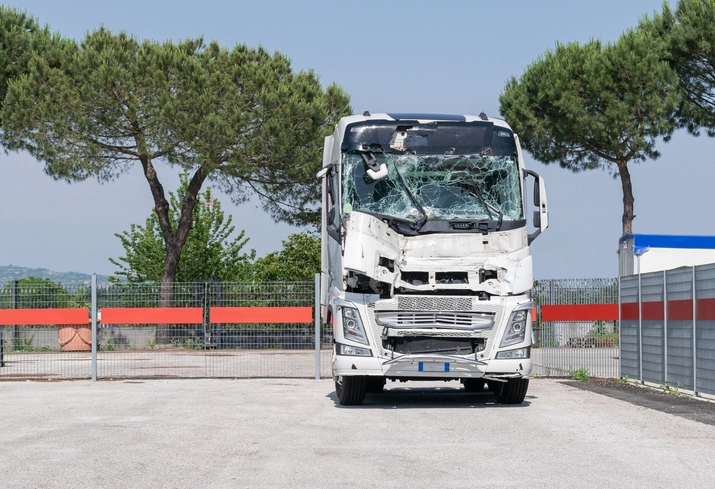
In the bustling logistics hubs of Charlotte, North Carolina, e-commerce delivery trucks navigate congested interstates and urban streets daily, contributing to a rising incidence of severe collisions that demand specialized legal navigation. A Charlotte truck accident lawyer brings critical insight into these incidents, where the interplay of federal regulations, state liability doctrines, and commercial pressures often complicates fault determination and compensation claims. These crashes, frequently involving oversized vehicles from major carriers, result in disproportionate injuries due to the physics of high-speed impacts and cargo instability, underscoring the need for attorneys versed in trucking-specific litigation.
Unique Risks of E-Commerce Delivery Trucks
E-commerce delivery trucks, often smaller box vans or sprinter models rather than full tractor-trailers, still pose amplified dangers on Charlotte roadways like I-85 and I-77, where rapid package turnover incentivizes aggressive maneuvering amid tight delivery schedules. Data from the North Carolina Department of Transportation reveals thousands of commercial vehicle crashes annually in Mecklenburg County, with tractor-trailers alone logging over 800 incidents in recent years, including hundreds of injuries and fatalities that mirror patterns seen in delivery operations. These vehicles, pressured by same-day fulfillment demands from platforms dominating online retail, frequently violate speed limits or fail to yield, exacerbating collision severity when merging into high-volume traffic near distribution centers.?
The surge in e-commerce, accelerated by post-pandemic shifts, has flooded Charlotte’s infrastructure with delivery fleets, leading to statistical upticks in non-fatal injuries from rear-end and sideswipe accidents common in stop-start urban routes. Federal Motor Carrier Safety Administration records indicate that large trucks were involved in over 4,900 non-fatal and 135 fatal crashes statewide, with driver fatigue and inattention—hallmarks of quota-driven delivery runs—ranking among top causal factors. Victims in these scenarios face not only physical trauma but also protracted disputes over vicarious liability, as e-commerce giants often layer contractors and subcontractors, necessitating a Charlotte truck accident lawyer to pierce corporate veils through subpoenaed logs and contracts.

Federal Regulations Governing Commercial Operations
Commercial trucks engaged in e-commerce deliveries fall under stringent Federal Motor Carrier Safety Administration (FMCSA) oversight, which mandates minimum liability insurance of $750,000 and enforces hours-of-service limits to curb fatigue-related wrecks. Violations such as exceeding 11-hour driving caps or skipping pre-trip inspections frequently precipitate collisions, as evidenced by FMCSA crash analytics showing these infractions in a significant portion of incidents involving vehicles over 10,001 pounds gross weight. A Charlotte truck accident lawyer leverages these FMCSA regulations to establish negligence per se, transforming regulatory breaches into presumptive fault during litigation.?
Maintenance lapses, another FMCSA focal point, contribute to mechanical failures like brake or tire blowouts that prove catastrophic in delivery contexts, where overloaded vans strain under constant stop-go cycles. The agency’s data underscores that improper cargo securement and unqualified driver hiring amplify risks, particularly for interstate carriers routing through Charlotte’s ports-of-entry. Legal practitioners skilled in this domain subpoena electronic logging devices (ELDs) and qualification files, building irrefutable chains of causation that insurers cannot easily dismiss.?
North Carolina’s Contributory Negligence Barrier
North Carolina adheres to pure contributory negligence under G.S. § 1-139, barring recovery if the claimant bears even minimal fault—a doctrine that profoundly impacts e-commerce truck collision claims where multi-vehicle dynamics blur responsibility lines. Insurers exploit this by alleging victim speeding or inattention, even in clear truck-at-fault scenarios, making the forensic acumen of a Charlotte truck accident lawyer indispensable for reconstructing events via black box data and eyewitness affidavits. This rule demands airtight evidence allocation, often hinging on accident reconstruction experts who model vehicle trajectories to exonerate plaintiffs.?
In delivery truck cases, where victims might be deemed partially responsible for lane changes near loading zones, courts rigorously apply last clear chance exceptions only upon proof of the truck driver’s superior opportunity to avert harm. Statewide statistics from NCDOT highlight Mecklenburg County’s disproportionate share of truck injuries, with over 200 from tractor-trailers alone, illustrating why neutral fault adjudication requires navigating procedural intricacies like discovery stays and spoliation sanctions. Such expertise ensures claims withstand summary judgments, preserving pathways to jury trials.?
Investigating Liability Layers in Delivery Crashes
Multiple liable parties emerge in e-commerce collisions: drivers fatigued by algorithmic routing, carriers skimping on vetting, and even loaders culpable for unstable pallets that shift during evasive maneuvers. A Charlotte truck accident lawyer dissects these through FMCSA-mandated records, including dynamic brake logs and service histories, often revealing systemic non-compliance that bolsters damages multipliers for punitive elements. For instance, independent contractors for major platforms may lack adequate training, yet respondeat superior binds employers if operations occur within employment scopes.?
Police reports provide initial insights but fall short against trucking firms’ sophisticated defenses, prompting independent probes into telematics and dash cams that capture pre-impact violations. For further reading on commercial truck litigation strategies, resources at Dewey Ramsay Hunt’s commercial truck accidents page detail procedural approaches tailored to regional cases. This layered scrutiny uncovers vicarious chains, from gig dispatchers to parent corporations, maximizing recoverable economic and non-economic losses.
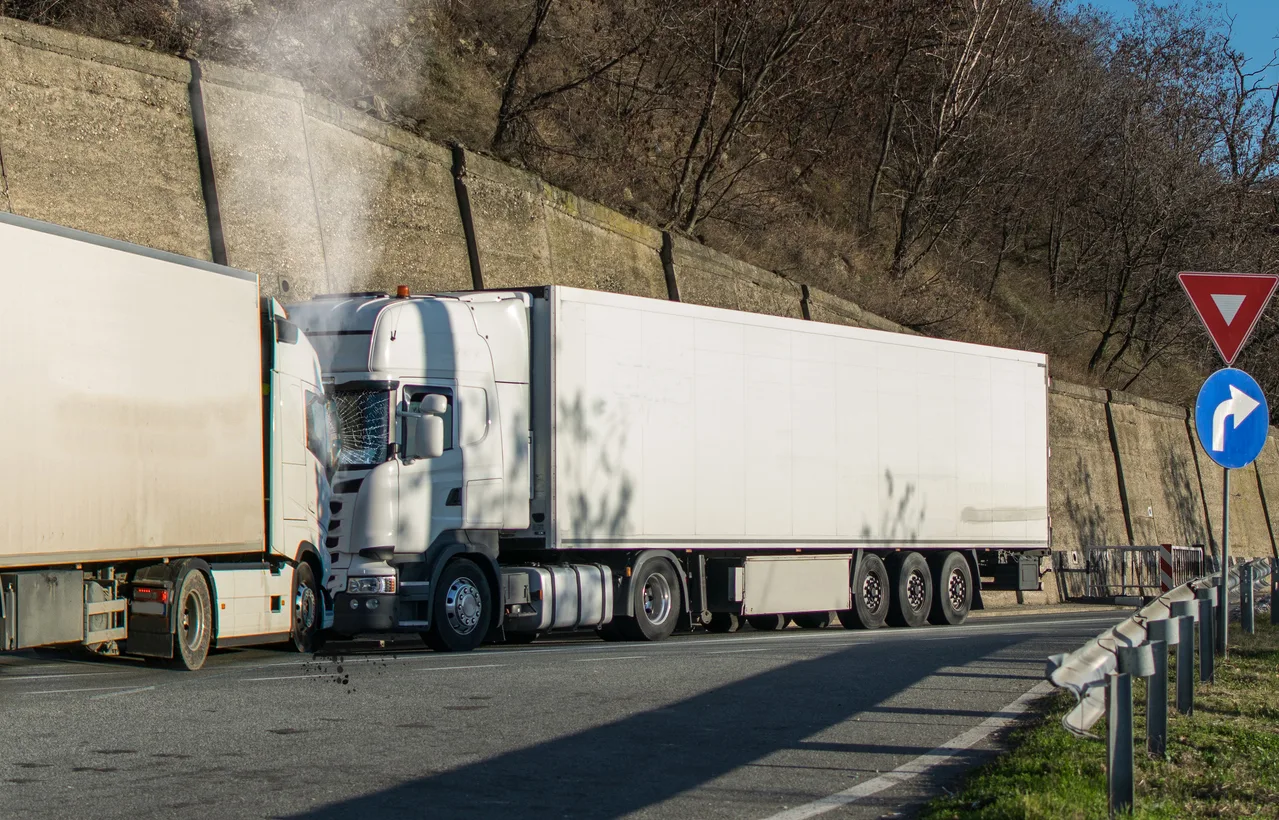
Proving Damages in High-Impact Collisions
Economic damages in these wrecks encompass medical bills from spinal fusions to lost wages during protracted recoveries, while non-economic claims address chronic pain syndromes induced by high-force impacts unique to truck masses. A Charlotte truck accident lawyer quantifies these via life care plans and vocational experts, countering insurer lowballs that undervalue future care amid North Carolina’s modified caps on punitives. Statistical disparities—trucks causing 13% of fatalities despite comprising 4% of vehicles—justify enhanced awards when gross negligence surfaces.?
Litigation timelines stretch due to federal preemption on safety claims, requiring coordinated filings in state and administrative forums to toll statutes. Expert testimony on biomechanics elucidates injury mechanisms, such as whiplash escalations from sudden decelerations in delivery swerves, fortifying causation links.
Common Collision Scenarios and Defenses
Rear-end collisions dominate, stemming from tailgating delivery drivers fixated on GPS amid Charlotte’s construction zones, where FMCSA following-distance rules prove pivotal. Sideswipes occur during improper lane changes near fulfillment hubs, with defenses crumbling under witness corroboration and scene photography. Rollover risks heighten with top-heavy e-commerce loads, invoking product liability against packaging firms if shifts precipitate instability.?
Turn-signal failures or blind-spot encroachments invoke statutory duties, dissected through signal timing analyses. Weather-aggravated skids demand proof of inadequate tire treads, per DOT standards.
Courtroom Strategies for Trucking Disputes
Depositions of drivers and safety directors expose admissions of quota pressures overriding safety, while motions compel preservation of deletable ELD data. Jury instructions on FMCSA violations frame negligence per se, shifting burdens favorably. Settlements often precede trial, but trial readiness via mock exercises hones persuasive narratives around victim impacts.
Procedural Timelines and Preservation Demands
Statutes mandate filings within three years, but spoliation letters issued immediately halt evidence destruction, crucial against trucking fleets’ rapid rotations. Discovery yields black boxes decoding speeds exceeding 70 mph in 65 zones, pivotal for fault pivots.

FAQ
What role does FMCSA play in e-commerce delivery truck collisions investigated by a Charlotte truck accident lawyer?
The Federal Motor Carrier Safety Administration establishes binding safety standards for commercial vehicles over 10,001 pounds, including hours-of-service limits that prevent driver fatigue and maintenance protocols ensuring brake and tire integrity, directly applicable to e-commerce fleets traversing North Carolina highways. In collision probes, a Charlotte truck accident lawyer references these regulations to demonstrate negligence per se when violations like log falsification or unqualified hiring contribute to crashes, as FMCSA data links such breaches to heightened fatality risks in urban delivery routes. Courts recognize these federal overlays, compelling production of ELDs and qualification files that often reveal operational shortcuts by carriers prioritizing volume over compliance.
How does North Carolina contributory negligence affect claims from delivery truck accidents?
North Carolina’s pure contributory negligence doctrine, enshrined in G.S. § 1-139, completely bars recovery if plaintiffs share any fault, even nominally, compelling rigorous evidence gathering to attribute sole causation to truck operators in e-commerce scenarios fraught with mutual maneuvers. A Charlotte truck accident lawyer counters insurer tactics alleging victim inattention by deploying reconstructionists who parse skid data and telematics, invoking doctrines like last clear chance where truckers held final avoidance prospects despite minor plaintiff errors. This framework demands pre-litigation preservation motions, as slight fault attributions—such as failing to signal during merges—can nullify multimillion damages otherwise warranted by severe orthopedic traumas.
Why are e-commerce delivery trucks prone to specific collision types in Charlotte?
E-commerce delivery trucks encounter heightened rear-end and intersection risks due to quota-driven accelerations in stop-heavy zones like Uptown distribution corridors, compounded by partial loads shifting unsecured packages during brakes. FMCSA analytics pinpoint fatigue from 14-hour shifts and distracted GPS reliance as precipitants, with Mecklenburg data logging hundreds of annual commercial injuries mirroring these patterns. Legal analysis hinges on subpoenaing routing algorithms proving systemic pressures overrode safety margins.
What evidence do courts prioritize in Charlotte truck accident lawyer cases involving commercial carriers?
Courts emphasize objective FMCSA records like downloadable ELDs capturing speeds, braking events, and seatbelt usage, alongside maintenance logs exposing skipped inspections causal to component failures in high-mileage delivery vans. Witness statements and scene videography supplement black box decryptions, while expert biomechanists link impact forces to spinal disc herniations prevalent in truck-passenger disparities. Spoliation sanctions deter carrier data wipes, ensuring comprehensive reconstructions.
How do insurance minimums influence recovery in North Carolina truck collisions?
FMCSA mandates $750,000 minimum liability for most commercial trucks, but e-commerce subcontractors often procure bare minimums, necessitating underinsured claims against deeper parent pockets via vicarious theories. A Charlotte truck accident lawyer pursues these layers through discovery, aggregating policies to cover lifelong therapies from concussions or amputations sustained in 50-mph T-bones. Caps on punitives apply only post-gross negligence findings, elevating totals beyond economic quanta.
Can multiple parties share liability in e-commerce truck wrecks under NC law?
While contributory negligence bars claimant fault shares, defendants face joint and several liability for indivisible harms, allowing pursuits against drivers, carriers, brokers, and even cargo loaders if pallets precipitated rollovers. Procedural coordination merges claims, with FMCSA violations imputing negligence to employers regardless of direct driver control. This multifaceted approach maximizes judgments through apportioned defenses crumbling under unified evidence fronts.