
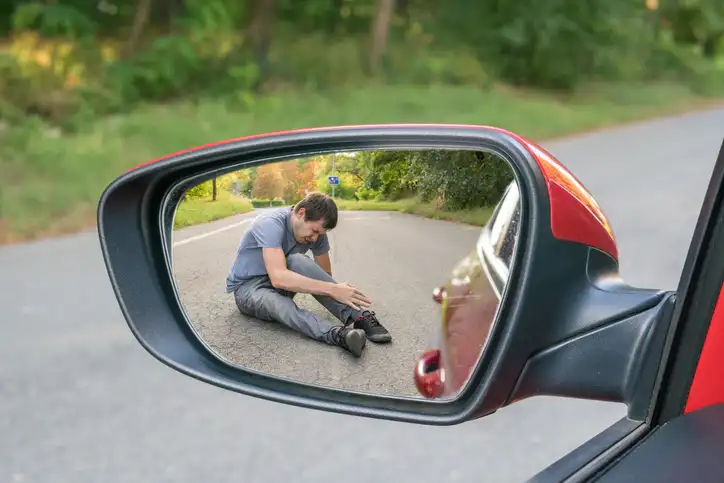
Hit-and-run collisions involving people on foot raise distinct legal, evidentiary, and insurance issues that differ from ordinary traffic crashes. Pedestrian Accident Lawyers Chicago handle these matters within a framework that combines Illinois criminal statutes, civil liability rules, and insurance regulations governing uninsured motorist coverage. When a driver flees, the injured pedestrian must often rely initially on law enforcement investigations and their own insurance protections, even while preserving the option of a civil claim if the at?fault motorist is later identified.?
In Chicago, these cases sit at the intersection of public safety policy and private rights of action. Pedestrian Accident Lawyers Chicago routinely analyze police reports, traffic crash data, and roadway design conditions to determine how a hit-and-run fits within broader traffic safety patterns in the city. At the same time, they structure claims to comply with Illinois’ modified comparative negligence regime and strict filing deadlines, which can significantly affect a pedestrian’s ability to recover damages.?
Legal Definition Of Hit-And-Run In Illinois
Under the Illinois Vehicle Code, a hit-and-run involving injury or death is generally governed by 625 ILCS 5/11?401. The statute requires any driver involved in a crash resulting in personal injury or death to stop immediately at or near the scene, remain there, provide identifying information, and render reasonable assistance, such as arranging medical care. Failure to fulfill these duties, combined with leaving the scene, can lead to felony charges, including potential prison time and driver’s license consequences.?
Separate provisions address property?damage?only collisions and unattended vehicles, but the core feature of a pedestrian hit-and-run case is that the driver leaves without complying with the statutory reporting and assistance obligations. Pedestrian Accident Lawyers Chicago use these statutory duties as a baseline when arguing that a fleeing driver’s conduct was not only negligent but also a serious breach of legally imposed responsibilities to vulnerable road users.
Pedestrian Rights And Driver Duties At Crosswalks
Illinois law imposes affirmative duties on motorists with respect to pedestrians in crosswalks and along roadways. Provisions such as 625 ILCS 5/11?1002 and 625 ILCS 5/11?1003.1 require drivers to yield the right of way in marked and certain unmarked crosswalk situations and to exercise due care to avoid colliding with any pedestrian, including by sounding the horn and taking proper precautions when necessary. These duties apply whether or not the driver ultimately remains at the scene.?
When a driver hits a pedestrian and then flees, Pedestrian Accident Lawyers Chicago often argue that the motorist violated both specific right?of?way statutes and the broader duty to use due care under 625 ILCS 5/11?1003.1. Evidence that the driver left without assisting the injured person can also support arguments for aggravated liability and, in some cases, punitive damages in civil proceedings, depending on the facts and applicable case law.?
Criminal Consequences And Their Relationship To Civil Claims
Injury?related hit-and-run offenses in Illinois are generally treated as felonies, with penalties that can include significant incarceration and fines. For example, violating 625 ILCS 5/11?401 when the crash causes injury or death is typically charged as a Class 4 felony, and more serious harm can lead to elevated penalties. These criminal proceedings are prosecuted by the State and proceed independently of any civil lawsuit brought by the injured pedestrian.?
Pedestrian Accident Lawyers Chicago track the progress of criminal cases because a guilty plea or conviction can strongly support liability arguments in a civil action. However, even if a driver is charged criminally, the pedestrian must still prove damages—such as medical costs, wage loss, and pain and suffering—under civil standards, and the resolution of the criminal case does not automatically determine the scope of financial recovery.?
Chicago Traffic Safety Context For Pedestrian Hit-And-Runs
Hit-and-run incidents occur within a broader environment of urban traffic risk. Chicago crash reports and traffic safety analyses reflect continuing concerns about serious injuries to people walking, even amid some long?term improvements in overall crash outcomes. Recent city summaries indicate thousands of crashes annually with pedestrian involvement, with a significant subset producing serious or fatal injuries in certain high?injury corridors.?
Pedestrian Accident Lawyers Chicago often integrate this data when explaining risk patterns and roadway design issues to judges, juries, or insurers. Demonstrating that a collision occurred on a corridor already identified for elevated pedestrian danger can support arguments about foreseeability and the need for heightened driver vigilance, especially when the motorist ultimately fled the scene.?
Immediate Steps After A Hit-And-Run As A Pedestrian
From a legal perspective, the steps a pedestrian takes in the minutes and days following a hit-and-run can materially influence later recovery. Reporting the collision promptly to law enforcement creates an official record, triggers investigation protocols, and is often an explicit requirement in insurance policies for uninsured motorist claims. Seeking medical evaluation as soon as feasible is equally important, both to protect health and to document injuries in a way that connects them clearly to the crash.?
Pedestrian Accident Lawyers Chicago typically advise preserving every available piece of evidence, including photographs of the scene, clothing, visible injuries, and contact information for witnesses or nearby businesses with potential camera footage. When the driver is unknown, the thoroughness of early documentation can make a substantial difference in later negotiations with insurers that may otherwise challenge causation, severity, or the mechanics of the crash.?
How Pedestrian Accident Lawyers Chicago Investigate Hit-And-Run Collisions
Investigation in a pedestrian hit-and-run goes beyond reading the police report. Pedestrian Accident Lawyers Chicago often request traffic?camera footage, nearby private surveillance video, and event data from vehicles when available, and may consult with accident reconstruction professionals. Reconstruction experts can analyze skid marks, impact points, and injury patterns to help determine vehicle speed, direction, and driver reaction—or lack thereof—prior to impact.?
At the same time, these lawyers examine whether any statutory violations beyond leaving the scene occurred, such as speeding, failure to yield at a crosswalk, or disregard of traffic signals. Linking such violations to the driver’s decision to flee supports arguments that the conduct was reckless or wilful and wanton, which can influence both compensatory and punitive damage claims if the motorist is ultimately located and sued in civil court.?
Uninsured Motorist Coverage When The Driver Is Unknown
When the at?fault driver cannot be identified, uninsured motorist (UM) coverage frequently becomes central. Illinois law recognizes that UM protection is meant to apply in hit-and-run scenarios involving pedestrians and bicyclists, even when insurance policy language attempts to restrict coverage to occupants of vehicles. Appellate decisions have invalidated policy terms that conflict with statutory requirements, reinforcing that pedestrians injured by fleeing drivers may pursue UM benefits under their own auto policies.?
Pedestrian Accident Lawyers Chicago evaluate the available UM, underinsured motorist (UIM), and any medical payments (MedPay) coverages that can offset medical expenses, wage loss, and other harms while the search for the driver continues or remains unresolved. These claims require close attention to notice provisions, cooperation clauses, and proof requirements, as insurers sometimes dispute whether an unidentified vehicle caused the injuries or challenge the sufficiency of corroborating evidence.
Civil Liability When The Hit-And-Run Driver Is Found
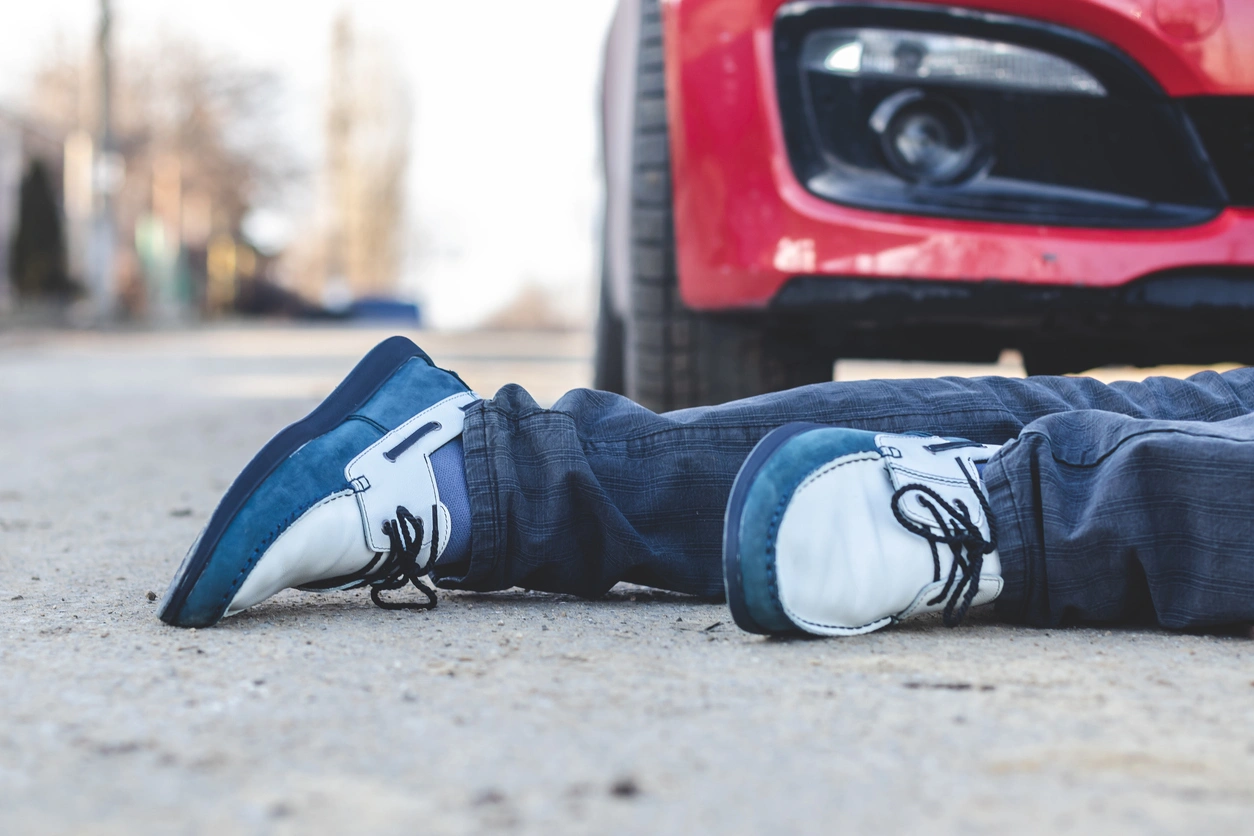
If law enforcement later identifies the fleeing driver, Pedestrian Accident Lawyers Chicago shift focus toward a traditional negligence or wrongful death action, supplemented by the additional element of leaving the scene. In Illinois, establishing liability generally involves proving duty, breach, causation, and damages, with statutory violations—such as failure to stop and render aid—often serving as strong evidence of breach.?
Under Illinois’ modified comparative negligence rule, a pedestrian may recover damages as long as their share of fault does not exceed 50 percent, but any award is reduced in proportion to their degree of responsibility. Pedestrian Accident Lawyers Chicago analyze potential allegations that the pedestrian crossed outside a crosswalk, failed to heed signals, or was impaired, and then evaluate how these arguments might affect comparative fault assessments and settlement strategy.?
Typical Categories Of Damages In Chicago Pedestrian Hit-And-Run Cases
Damages in these cases typically mirror other serious personal injury matters but are often complicated by insurance and identification issues. Economic losses may include hospital and surgical bills, rehabilitation costs, future medical care, and lost income or diminished earning capacity, especially where orthopedic, neurological, or traumatic brain injuries occur. Non?economic damages encompass pain and suffering, loss of normal life, and other human impacts recognized under Illinois tort law.?
In egregious cases—such as those involving intoxicated driving combined with a deliberate flight from the scene—Pedestrian Accident Lawyers Chicago may pursue punitive damages if available, aiming to address conduct that goes beyond ordinary negligence. The viability and scope of punitive claims depend on case?specific facts and contemporary Illinois case law, including appellate decisions interpreting when punitive awards comport with statutory and constitutional limits.?
Role Of Case Law In Shaping Rights Of Injured Pedestrians
Appellate decisions in Illinois play a significant role in clarifying how statutes apply to pedestrians in hit-and-run situations. For instance, cases addressing the reach of UM coverage have confirmed that policy provisions excluding pedestrians cannot override statutory protections, thereby broadening the practical avenues of recovery when the driver remains unknown. Other decisions reinforce that drivers owe a continuing duty of due care to pedestrians, even outside marked crosswalks, and that violation of that duty can support civil liability.?
Pedestrian Accident Lawyers Chicago stay current with such developments because they can directly affect available insurance funds, evidentiary burdens, and litigation strategy. By citing current precedents, lawyers can respond to insurer defenses that rely on outdated interpretations of coverage or fault allocation, which is especially important in a rapidly evolving landscape of traffic safety and insurance law.?
Intersection Of Public Safety Policy And Individual Claims
Pedestrian hit-and-run cases are not only individual disputes but also touch on broader Vision Zero and traffic?safety goals in Chicago. City and state agencies monitor crash patterns, high?injury networks, and impacts on specific neighborhoods to prioritize engineering, enforcement, and education measures—such as crosswalk redesign, speed management, and targeted police patrols. These initiatives aim to reduce opportunities for dangerous driving behaviors that often precede hit-and-run events.?
In practice, Pedestrian Accident Lawyers Chicago sometimes incorporate these public safety frameworks into civil cases to show that drivers should have been particularly cautious in areas already known for vulnerable?road?user injuries. Reference to identified problem corridors, pedestrian?focused traffic calming, and enforcement campaigns helps contextualize the driver’s obligation to anticipate pedestrians and to comply strictly with yield and stopping duties.?
Coordination With Law Enforcement And Prosecutors
Although civil and criminal systems operate separately, Pedestrian Accident Lawyers Chicago frequently coordinate with law enforcement and, when appropriate, with prosecutors. Police investigative files, including collision diagrams, witness interviews, and forensic analyses, can be crucial in reconstructing the incident and understanding why the driver left the scene. Access to these materials may occur through public records processes or formal discovery if a criminal case leads to preserved evidence.?
In parallel, lawyers monitor whether restitution is ordered as part of a criminal sentence and how that interacts with broader civil damage claims and insurance recoveries. A restitution order does not necessarily cover all economic and non?economic losses, but it may influence negotiations or future collection efforts if the driver has limited insurance or assets.?
Time Limits For Filing Civil Claims
Illinois generally imposes a two?year statute of limitations for personal injury actions arising from motor vehicle crashes, including pedestrian hit-and-run incidents. This period usually runs from the date of the collision, although specific circumstances and claims may affect how timing rules apply. Missing this deadline can bar the injured person from pursuing a court claim, regardless of the merits.?
Pedestrian Accident Lawyers Chicago evaluate how discovery of the driver’s identity, ongoing criminal proceedings, or UM/UIM disputes may intersect with limitations periods and contractual deadlines in insurance policies. Timely notice to insurers, compliance with policy cooperation requirements, and preservation of evidence all matter, particularly when UM claims are pursued before or alongside a direct action against a later?identified motorist.?
Comparative Negligence Considerations For Pedestrians
Under Illinois’ modified comparative negligence system, an injured pedestrian may recover damages as long as their fault does not exceed 50 percent, but any award is reduced by their share of responsibility. Insurers and defendants often argue that pedestrians were distracted, crossed mid?block, ignored signals, or entered the roadway while impaired, and they may attempt to use these allegations to decrease or eliminate liability. In a hit-and-run setting, the absence of the driver at the scene can complicate fact gathering around these issues.?
Pedestrian Accident Lawyers Chicago respond by highlighting statutory protections for pedestrians, such as crosswalk right?of?way rules and drivers’ ongoing duty to exercise due care, even when pedestrians may not comply perfectly with every traffic regulation. In serious cases, they may retain human factors experts or reconstruction specialists to address visibility, reaction time, lighting, and signage, thereby countering arguments that disproportionate fault should be assigned to the injured pedestrian.

Use Of Federal Safety Data And National Standards
National crash data and safety analyses provide additional context for Chicago pedestrian hit-and-runs. The National Highway Traffic Safety Administration (NHTSA) has reported thousands of pedestrian fatalities annually, with recent statistics indicating that more than 7,000 pedestrians were killed in traffic crashes nationwide in 2023, reflecting a modest decline from the prior year but still elevated levels compared to earlier decades. These figures underscore the continuing vulnerability of people walking in urban environments.?
Pedestrian Accident Lawyers Chicago may rely on such federal data and best?practice guidance—such as recommendations regarding speed management, crossing design, and lighting—to explain why drivers must anticipate pedestrians and avoid high?risk behaviors like excessive speed or impaired driving. This broader framework can strengthen arguments that leaving the scene after a crash is especially inconsistent with contemporary traffic safety norms and public policy.?
How Pedestrian Accident Lawyers Chicago Use Internal And External Expert Resources
Complex hit-and-run pedestrian cases often require multidisciplinary input. Pedestrian Accident Lawyers Chicago frequently consult medical experts to explain how crash forces caused particular injuries and to project future treatment needs and functional limitations. Vocational and economic experts can quantify lost earning capacity, while life?care planners may outline long?term rehabilitation and assistance costs in cases involving catastrophic harm.?
On the liability side, accident reconstructionists, biomechanical engineers, and in some instances visibility or roadway design specialists help clarify what a reasonably careful driver should have done under the circumstances. Such testimony is particularly important when direct eyewitness accounts are limited or conflicting, or when the fleeing driver contests liability after being identified later through investigation.?
Relationship Between Individual Cases And Civil Litigation Strategy
Each case requires tailored analysis rather than a one?size?fits?all approach. Pedestrian Accident Lawyers Chicago assess the interaction between available insurance coverage, potential comparative negligence, severity of injuries, and the likelihood of locating the driver to determine whether to emphasize UM claims, direct civil actions, or both. Negotiation posture may differ significantly between an unknown?driver UM case and a situation where a specific motorist, employer, or commercial insurer is known and involved.?
In some circumstances, strategic considerations include whether to resolve UM claims before pursuing the driver, how to address policy limits, and whether to explore additional responsible parties—for example, employers in on?the?job driving, or entities responsible for dangerously designed intersections. Throughout, statutory and case?law developments in Illinois remain central to evaluating which options best protect the injured pedestrian’s legal interests.?
Role Of Chicago?Based Legal Resources
Chicago?specific pedestrian injury information often emphasizes that local conditions—including dense traffic, complex intersections, and high?volume corridors—create distinct risk profiles for people on foot. In practice, Pedestrian Accident Lawyers Chicago rely on both city and state resources when analyzing a hit-and-run, including official crash reports and publicly available data on intersection?level crash history. When appropriate, they may also reference educational materials or safety campaigns aimed at drivers and pedestrians to argue that the risks at issue were well known and should have been anticipated.?
Within this context, some practitioners provide extended resources on negligence, comparative fault, and pedestrian?specific rights and remedies under Illinois law, including crosswalk statutes and hit-and-run provisions. Experienced Pedestrian Accident Lawyers Chicago frequently offer detailed explanations of how these standards apply to city?based collisions and how victims can navigate both insurance claims and potential litigation in the aftermath of a hit-and-run. In?depth discussions of pedestrian accidents in Chicago can be found through resources such as professional pedestrian accident litigation guidance in Chicago, which analyze local legal principles in a structured way.?
Government Support And Crime Victim Compensation
Beyond insurance and civil lawsuits, some pedestrians injured in hit-and-run incidents may qualify for state?administered crime victim compensation programs, which can help address certain out?of?pocket costs when traditional avenues are limited. Eligibility requirements, caps, and covered losses vary, and applicants typically must cooperate with law enforcement investigations and submit timely, documented claims. While these programs seldom replace full civil damages, they can be significant for victims facing immediate financial pressures.?
Pedestrian Accident Lawyers Chicago evaluate these options alongside insurance and civil litigation strategies, ensuring that applications comply with procedural rules and do not inadvertently affect other recovery channels. When analyzing eligibility or seeking further information on victim assistance, both practitioners and injured pedestrians often consult official state resources such as the Illinois Attorney General’s crime victim compensation information at https://ag.illinois.gov, which provides authoritative guidance on available benefits and application processes.

Frequently Asked Questions About Chicago Pedestrian Hit-And-Run Claims
What legal duties do drivers have after hitting a pedestrian in Illinois?
Illinois law requires any driver involved in a crash causing injury or death to stop immediately at or near the scene, provide identifying information, and render reasonable assistance, including arranging medical care where necessary. Leaving without fulfilling these duties can lead to felony hit-and-run charges under 625 ILCS 5/11?401, in addition to civil liability for the pedestrian’s injuries.?
How do Pedestrian Accident Lawyers Chicago handle cases when the driver is never found?
When a driver remains unidentified, Pedestrian Accident Lawyers Chicago typically focus on uninsured motorist coverage, medical payments coverage, and any crime victim compensation that may apply. They work to document the crash thoroughly, comply with insurance notice requirements, and present corroborating evidence so that insurers cannot reasonably deny that a hit-and-run occurred.?
Can a pedestrian still recover damages if they were partially at fault?
Illinois uses a modified comparative negligence rule, so a pedestrian can generally recover damages as long as their share of fault does not exceed 50 percent. Any award is reduced in proportion to the pedestrian’s responsibility, and Pedestrian Accident Lawyers Chicago often rely on crosswalk and due?care statutes to contest exaggerated fault claims against injured pedestrians.?
What types of damages are available in a Chicago pedestrian hit-and-run case?
Typical damages include medical expenses, rehabilitation costs, lost income or diminished earning capacity, and non?economic harms such as pain and suffering and loss of normal life. In serious cases involving reckless behavior—such as intoxicated driving combined with fleeing the scene—Illinois law may permit claims for punitive damages, subject to statutory and case?law limits.?
How long do victims have to file a lawsuit after a pedestrian hit-and-run in Chicago?
In most Illinois personal injury cases arising from traffic collisions, including pedestrian hit-and-runs, the general statute of limitations is two years from the date of the accident. Because late filing can bar claims entirely, Pedestrian Accident Lawyers Chicago usually review timing issues early, taking into account criminal proceedings, insurance deadlines, and any tolling or special circumstances.?