Fresh Casino to nowoczesna platforma hazardowa, która zyskuje coraz wi?ksz? popularno?? na rynku. Dzi?ki bogatej ofercie gier oraz atrakcyjnym bonusom, przyci?ga zarówno nowych, jak i do?wiadczonych graczy. Sprawdzaj?c https://fresh-casino-online.com, mo?na zg??bi? wszystkie funkcje, które wyró?niaj? t? platform? od innych operatorów. Ekspansywna gamma us?ug oraz dba?o?? o jako?? u?ytkowania sprawiaj?, ?e Fresh Casino jest miejscem wartych uwagi.
Wysoka jako?? gier w Fresh Casino
Fresh Casino oferuje obszerny katalog gier, który zadowoli nawet najbardziej wybrednych graczy. Dzi?ki wspó?pracy z wiod?cymi dostawcami, takimi jak NetEnt, Microgaming czy Playtech, platforma dostarcza gry, które ??cz? w sobie zarówno wysok? jako?? grafiki, jak i innowacyjne mechaniki rozgrywki. Gracze mog? wybiera? spo?ród setek automatów, gier sto?owych oraz tytu?ów z kategorii live casino.
Wa?nym aspektem jest ró?norodno?? kategorii gier, która obejmuje:
Automaty wideo
Gry sto?owe (ruletka, blackjack)
Gry karciane (poker, bakarat)
Live dealer games (gry z prawdziwymi krupierami)
Nowo?ci? w ofercie s? tzw. game shows, czyli interaktywne gry, które zapewniaj? unikaln? atmosfer? i wi?ksze zaanga?owanie graczy.
Bezpiecze?stwo i zaufanie w Fresh Casino
Platforma stawia na bezpiecze?stwo u?ytkowników, co potwierdzaj? licencje wydane przez uznane organy regulacyjne. Fresh Casino stosuje najnowsze technologie szyfrowania danych, co chroni informacje osobiste i finansowe graczy. Dodatkowo, platforma promuje odpowiedzialn? gr?, oferuj?c narz?dzia do samoograniczenia oraz pomoc w przypadkach uzale?nienia od hazardu.
Parametr
Opis
Warto??
Licencja
Organ regulacyjny
Curacao
Szyfrowanie
Rodzaj
SSL
Odpowiedzialna gra
Narz?dzia
Limit depozytów, czas gry
Bonusu i oferty promocyjne
Fresh Casino przyci?ga graczy równie? dzi?ki atrakcyjnym promocjom. Nowi u?ytkownicy mog? liczy? na hojne bonusy powitalne, które zwi?kszaj? ich saldo na start. Oferowane s? tak?e regularne promocje, cashback oraz program lojalno?ciowy, który nagradza aktywnych graczy.
Oto kilka typów bonusów, które mo?na znale?? w ofercie:
Bonus powitalny
Dodatkowe free spiny
Oferty weekendowe
Bonusy lojalno?ciowe
FAQ – Najcz??ciej zadawane pytania
Czy Fresh Casino jest bezpieczne? Tak, platforma posiada licencj? oraz stosuje szyfrowanie SSL, co zapewnia bezpiecze?stwo danych u?ytkowników.
Jakie metody p?atno?ci s? dost?pne? Fresh Casino oferuje wiele metod p?atno?ci, w tym karty kredytowe, e-portfele oraz kryptowaluty.
Czy mo?na gra? na urz?dzeniach mobilnych? Tak, platforma jest w pe?ni zoptymalizowana do gry na smartfonach i tabletach, co zapewnia wysoki komfort u?ytkowania.
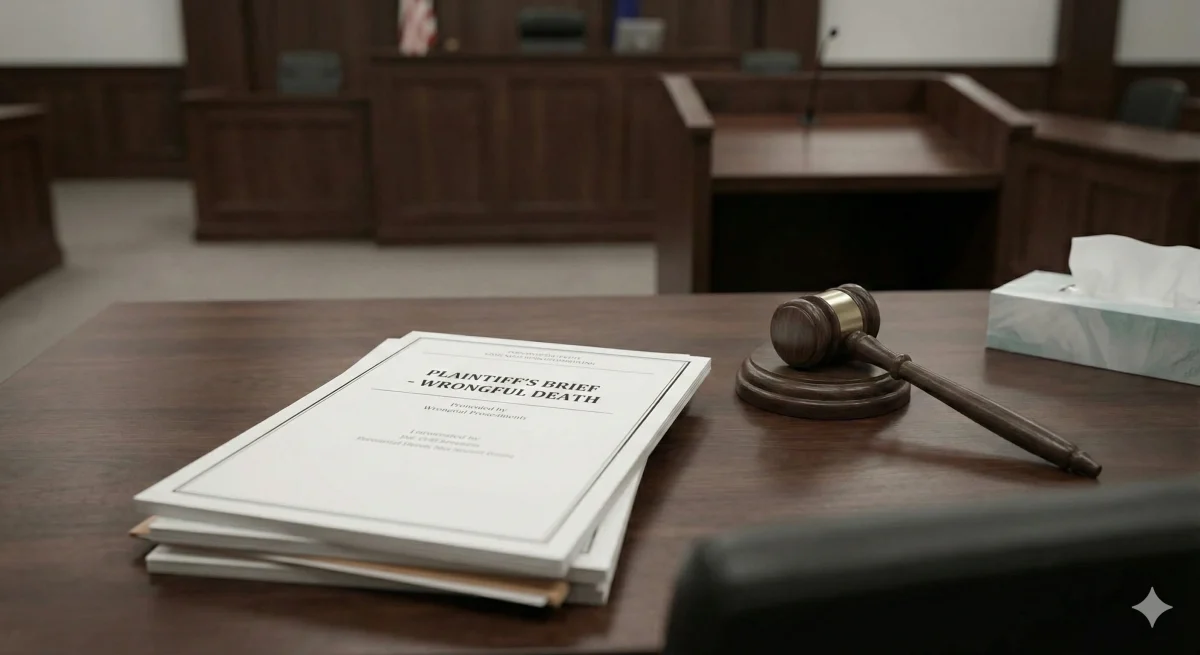
Termination decisions involving medical conditions or disabilities occupy one of the most regulated and scrutinized areas of employment law. When an employee is dismissed shortly after disclosing a health condition, requesting medical leave, or seeking workplace accommodations, the termination often triggers statutory protections under both California and federal law. In these circumstances, the analytical role of a los angeles wrongful termination lawyer centers on determining whether the employer’s stated reason masks prohibited discrimination or retaliation.
Medical-based employment decisions are rarely evaluated in isolation. Courts, administrative agencies, and enforcement bodies examine timing, documentation, accommodation efforts, and consistency with prior employer practices. Understanding how these factors intersect requires familiarity with disability law frameworks, evidentiary standards, and procedural safeguards applicable in California employment disputes.
This article provides a detailed legal analysis of termination linked to medical or disability issues, the governing statutory schemes, relevant case-law reasoning, and the structured evaluation typically applied by a los angeles wrongful termination lawyer when assessing potential violations.
Understanding Medical and Disability-Based Termination Under California Law
California provides broader employment protections than many other jurisdictions. Terminations tied to physical or mental health conditions are evaluated under overlapping statutory regimes that impose affirmative duties on employers.
Medical and disability-related terminations are commonly assessed under the following laws:
The Fair Employment and Housing Act (FEHA)
The federal Americans with Disabilities Act (ADA)
The California Family Rights Act (CFRA)
The federal Family and Medical Leave Act (FMLA)
California Labor Code retaliation provisions
Each framework addresses different aspects of employer conduct. A los angeles wrongful termination lawyer must often analyze the termination under multiple statutes simultaneously, as liability may arise even if one statute does not apply.
What Qualifies as a Disability or Medical Condition
A foundational issue in wrongful termination analysis involves whether the employee’s condition qualifies for statutory protection.
Disability Definitions Under FEHA and ADA
FEHA defines disability more expansively than federal law. Under California Government Code § 12926, a disability includes any physical or mental condition that limits a major life activity, even if the limitation is minor or episodic.
Protected conditions may include:
Chronic illnesses such as diabetes or autoimmune disorders
Mental health conditions including anxiety or depression
Temporary impairments requiring surgery or recovery time
Pregnancy-related medical conditions
Cancer remission or history of serious illness
A los angeles wrongful termination lawyer typically evaluates whether the employer improperly narrowed the definition of disability when making termination decisions.
Medical Leave as a Trigger for Wrongful Termination Claims
Termination following medical leave is one of the most litigated employment scenarios in California courts.
Interaction Between Leave Laws and Termination Decisions
Employees who lawfully take medical leave under CFRA or FMLA are entitled to reinstatement to the same or a comparable position. Termination shortly after leave often raises red flags when:
The position allegedly “no longer exists”
Performance issues arise immediately after return
Job duties are reassigned permanently during leave
The employer cites attendance concerns tied to protected leave
Courts routinely examine whether the employer’s reasoning is pretextual. A los angeles wrongful termination lawyer reviews internal records, leave documentation, and comparators to assess whether similarly situated employees were treated differently.
Failure to Accommodate as a Basis for Wrongful Termination
Disability law does not merely prohibit termination; it requires affirmative employer conduct.
The Interactive Process Requirement
Under FEHA, employers must engage in a timely, good-faith interactive process when an employee requests accommodation for a medical condition. Termination without meaningful participation in this process may constitute an independent violation.
Accommodation failures often involve:
Refusal to modify work schedules
Denial of remote or modified duties
Automatic termination after exhausting leave
Failure to explore alternative vacant positions
A los angeles wrongful termination lawyer evaluates whether the employer documented accommodation efforts or prematurely concluded that accommodation posed an undue hardship.
Retaliation for Medical Disclosures or Accommodation Requests
Protected Activities That Trigger Retaliation Protections
Employees are legally protected when they:
Disclose a medical diagnosis
Request disability accommodations
Take protected medical leave
File internal complaints related to health discrimination
Termination following such actions may violate California Government Code § 12940(h). A los angeles wrongful termination lawyer assesses temporal proximity and employer communications to determine whether retaliatory intent can be inferred.
Evaluating Employer Justifications in Medical Termination Cases
Employers often assert neutral reasons for termination. Legal analysis focuses on whether these reasons withstand scrutiny.
Common Employer Defenses Examined in Litigation
Defenses typically include:
Inability to perform essential job functions
Excessive absenteeism unrelated to protected leave
Business restructuring or layoffs
Safety-based job qualifications
Courts require objective evidence supporting these claims. A los angeles wrongful termination lawyer evaluates whether job descriptions were modified post-hoc or inconsistently applied.
Medical Privacy Violations and Termination Decisions
Improper handling of medical information may compound liability.
Confidentiality Obligations Under California Law
California law strictly limits access to employee medical information. Termination decisions influenced by unauthorized disclosures may violate privacy rights in addition to anti-discrimination statutes.
Potential violations include:
Sharing diagnoses with non-supervisory staff
Using medical records outside accommodation analysis
Conditioning continued employment on medical disclosures
A los angeles wrongful termination lawyer often investigates whether confidentiality breaches influenced termination outcomes.
Case-Law Reasoning in Disability-Related Termination Claims
Judicial reasoning in medical termination cases emphasizes procedural fairness and factual consistency.
Patterns in California Appellate Decisions
Courts frequently focus on:
Whether the employer engaged in individualized assessment
The timing between medical disclosure and termination
Deviations from internal disciplinary procedures
Employer knowledge of the protected condition
In multiple California appellate decisions, terminations were overturned where employers failed to document accommodation analysis before discharge. These rulings inform how a los angeles wrongful termination lawyer frames evidentiary arguments.
Government Enforcement and Administrative Oversight
Medical-based termination disputes often begin in administrative forums.
Role of Civil Rights Agencies
Claims under FEHA are typically initiated through the Civil Rights Department (CRD), formerly DFEH. Federal ADA claims may involve the EEOC.
Authoritative guidance on disability discrimination standards is published by the U.S. Equal Employment Opportunity Commission at https://www.eeoc.gov/laws/guidance/disability-discrimination, which outlines employer obligations under federal law.
A los angeles wrongful termination lawyer aligns factual allegations with agency enforcement standards to preserve claims for litigation.
Evidentiary Standards in Wrongful Termination Litigation
Proof requirements vary depending on the legal theory asserted.
Burden-Shifting Frameworks
Disability termination cases often follow a three-step evidentiary analysis:
Employee establishes a prima facie case
Employer articulates a legitimate reason
Employee demonstrates pretext
This framework governs summary judgment analysis and trial proceedings. A los angeles wrongful termination lawyer structures factual development accordingly.
Damages and Remedies in Medical Termination Cases
Available remedies depend on statutory authority and proof.
Potential Legal Consequences for Employers
Courts may award:
Back pay and lost benefits
Emotional distress damages
Statutory penalties
Attorney fee awards
Reinstatement or front pay
The scope of recovery underscores why medical termination cases receive heightened scrutiny.
Role of a Los Angeles Wrongful Termination Lawyer in Medical Cases
The analytical function of a los angeles wrongful termination lawyer extends beyond filing claims. It includes statutory interpretation, procedural compliance, and evidentiary development.
A detailed overview of wrongful termination principles applicable in California employment disputes can be found through professional legal analysis from an experienced Los Angeles wrongful termination lawyer, which outlines how medical and disability issues intersect with termination law.
Intersection of Public Safety and Disability Employment Protections
Some employers cite workplace safety to justify termination.
Safety-Sensitive Positions and Medical Conditions
Courts recognize limited circumstances where a medical condition poses a direct threat. However, the employer must prove:
Significant risk of substantial harm
Inability to mitigate risk through accommodation
Objective medical evidence supporting exclusion
A los angeles wrongful termination lawyer evaluates whether safety concerns were speculative or supported by documented risk assessments.
Procedural Timelines and Statutes of Limitation
Timing is critical in wrongful termination disputes.
Filing Deadlines Under California Law
Administrative complaints under FEHA must generally be filed within three years of termination. Failure to comply may bar claims regardless of merit.
A los angeles wrongful termination lawyer ensures procedural deadlines align with the underlying statutory theory.
Disability termination cases differ from other employment disputes due to overlapping laws and heightened evidentiary demands.
Missteps in accommodation, documentation, or timing can convert routine personnel decisions into statutory violations. For this reason, courts closely examine employer conduct when termination coincides with medical disclosures.
Frequently Asked Questions About Medical and Disability-Based Termination
How does a los angeles wrongful termination lawyer evaluate disability-related firing claims?
A los angeles wrongful termination lawyer analyzes whether the employee qualified as disabled under FEHA or ADA, whether the employer engaged in the interactive process, and whether termination followed protected activity such as medical leave or accommodation requests.
Can termination after medical leave still be lawful?
Termination may be lawful if the employer can prove legitimate, non-discriminatory reasons unrelated to protected leave. A los angeles wrongful termination lawyer examines timing, comparators, and internal documentation to assess legality.
Are temporary medical conditions protected from termination?
Under California law, even temporary conditions may qualify as disabilities. A los angeles wrongful termination lawyer evaluates whether the condition limited major life activities and whether accommodation was feasible.
Does failure to accommodate automatically lead to wrongful termination liability?
Failure to accommodate can independently violate FEHA. When termination follows such failure, a los angeles wrongful termination lawyer often asserts overlapping claims based on procedural noncompliance.
What role does employer intent play in medical termination cases?
Direct intent is rarely required. Courts allow liability based on circumstantial evidence. A los angeles wrongful termination lawyer relies on timing, inconsistencies, and deviations from policy to establish unlawful motive.
Hit-and-run collisions involving people on foot raise distinct legal, evidentiary, and insurance issues that differ from ordinary traffic crashes. Pedestrian Accident Lawyers Chicago handle these matters within a framework that combines Illinois criminal statutes, civil liability rules, and insurance regulations governing uninsured motorist coverage. When a driver flees, the injured pedestrian must often rely initially on law enforcement investigations and their own insurance protections, even while preserving the option of a civil claim if the at?fault motorist is later identified.?
In Chicago, these cases sit at the intersection of public safety policy and private rights of action. Pedestrian Accident Lawyers Chicago routinely analyze police reports, traffic crash data, and roadway design conditions to determine how a hit-and-run fits within broader traffic safety patterns in the city. At the same time, they structure claims to comply with Illinois’ modified comparative negligence regime and strict filing deadlines, which can significantly affect a pedestrian’s ability to recover damages.?
Legal Definition Of Hit-And-Run In Illinois
Under the Illinois Vehicle Code, a hit-and-run involving injury or death is generally governed by 625 ILCS 5/11?401. The statute requires any driver involved in a crash resulting in personal injury or death to stop immediately at or near the scene, remain there, provide identifying information, and render reasonable assistance, such as arranging medical care. Failure to fulfill these duties, combined with leaving the scene, can lead to felony charges, including potential prison time and driver’s license consequences.?
Separate provisions address property?damage?only collisions and unattended vehicles, but the core feature of a pedestrian hit-and-run case is that the driver leaves without complying with the statutory reporting and assistance obligations. Pedestrian Accident Lawyers Chicago use these statutory duties as a baseline when arguing that a fleeing driver’s conduct was not only negligent but also a serious breach of legally imposed responsibilities to vulnerable road users.
Pedestrian Rights And Driver Duties At Crosswalks
Illinois law imposes affirmative duties on motorists with respect to pedestrians in crosswalks and along roadways. Provisions such as 625 ILCS 5/11?1002 and 625 ILCS 5/11?1003.1 require drivers to yield the right of way in marked and certain unmarked crosswalk situations and to exercise due care to avoid colliding with any pedestrian, including by sounding the horn and taking proper precautions when necessary. These duties apply whether or not the driver ultimately remains at the scene.?
When a driver hits a pedestrian and then flees, Pedestrian Accident Lawyers Chicago often argue that the motorist violated both specific right?of?way statutes and the broader duty to use due care under 625 ILCS 5/11?1003.1. Evidence that the driver left without assisting the injured person can also support arguments for aggravated liability and, in some cases, punitive damages in civil proceedings, depending on the facts and applicable case law.?
Criminal Consequences And Their Relationship To Civil Claims
Injury?related hit-and-run offenses in Illinois are generally treated as felonies, with penalties that can include significant incarceration and fines. For example, violating 625 ILCS 5/11?401 when the crash causes injury or death is typically charged as a Class 4 felony, and more serious harm can lead to elevated penalties. These criminal proceedings are prosecuted by the State and proceed independently of any civil lawsuit brought by the injured pedestrian.?
Pedestrian Accident Lawyers Chicago track the progress of criminal cases because a guilty plea or conviction can strongly support liability arguments in a civil action. However, even if a driver is charged criminally, the pedestrian must still prove damages—such as medical costs, wage loss, and pain and suffering—under civil standards, and the resolution of the criminal case does not automatically determine the scope of financial recovery.?
Chicago Traffic Safety Context For Pedestrian Hit-And-Runs
Hit-and-run incidents occur within a broader environment of urban traffic risk. Chicago crash reports and traffic safety analyses reflect continuing concerns about serious injuries to people walking, even amid some long?term improvements in overall crash outcomes. Recent city summaries indicate thousands of crashes annually with pedestrian involvement, with a significant subset producing serious or fatal injuries in certain high?injury corridors.?
Pedestrian Accident Lawyers Chicago often integrate this data when explaining risk patterns and roadway design issues to judges, juries, or insurers. Demonstrating that a collision occurred on a corridor already identified for elevated pedestrian danger can support arguments about foreseeability and the need for heightened driver vigilance, especially when the motorist ultimately fled the scene.?
Immediate Steps After A Hit-And-Run As A Pedestrian
From a legal perspective, the steps a pedestrian takes in the minutes and days following a hit-and-run can materially influence later recovery. Reporting the collision promptly to law enforcement creates an official record, triggers investigation protocols, and is often an explicit requirement in insurance policies for uninsured motorist claims. Seeking medical evaluation as soon as feasible is equally important, both to protect health and to document injuries in a way that connects them clearly to the crash.?
Pedestrian Accident Lawyers Chicago typically advise preserving every available piece of evidence, including photographs of the scene, clothing, visible injuries, and contact information for witnesses or nearby businesses with potential camera footage. When the driver is unknown, the thoroughness of early documentation can make a substantial difference in later negotiations with insurers that may otherwise challenge causation, severity, or the mechanics of the crash.?
How Pedestrian Accident Lawyers Chicago Investigate Hit-And-Run Collisions
Investigation in a pedestrian hit-and-run goes beyond reading the police report. Pedestrian Accident Lawyers Chicago often request traffic?camera footage, nearby private surveillance video, and event data from vehicles when available, and may consult with accident reconstruction professionals. Reconstruction experts can analyze skid marks, impact points, and injury patterns to help determine vehicle speed, direction, and driver reaction—or lack thereof—prior to impact.?
At the same time, these lawyers examine whether any statutory violations beyond leaving the scene occurred, such as speeding, failure to yield at a crosswalk, or disregard of traffic signals. Linking such violations to the driver’s decision to flee supports arguments that the conduct was reckless or wilful and wanton, which can influence both compensatory and punitive damage claims if the motorist is ultimately located and sued in civil court.?
Uninsured Motorist Coverage When The Driver Is Unknown
When the at?fault driver cannot be identified, uninsured motorist (UM) coverage frequently becomes central. Illinois law recognizes that UM protection is meant to apply in hit-and-run scenarios involving pedestrians and bicyclists, even when insurance policy language attempts to restrict coverage to occupants of vehicles. Appellate decisions have invalidated policy terms that conflict with statutory requirements, reinforcing that pedestrians injured by fleeing drivers may pursue UM benefits under their own auto policies.?
Pedestrian Accident Lawyers Chicago evaluate the available UM, underinsured motorist (UIM), and any medical payments (MedPay) coverages that can offset medical expenses, wage loss, and other harms while the search for the driver continues or remains unresolved. These claims require close attention to notice provisions, cooperation clauses, and proof requirements, as insurers sometimes dispute whether an unidentified vehicle caused the injuries or challenge the sufficiency of corroborating evidence.
Civil Liability When The Hit-And-Run Driver Is Found
If law enforcement later identifies the fleeing driver, Pedestrian Accident Lawyers Chicago shift focus toward a traditional negligence or wrongful death action, supplemented by the additional element of leaving the scene. In Illinois, establishing liability generally involves proving duty, breach, causation, and damages, with statutory violations—such as failure to stop and render aid—often serving as strong evidence of breach.?
Under Illinois’ modified comparative negligence rule, a pedestrian may recover damages as long as their share of fault does not exceed 50 percent, but any award is reduced in proportion to their degree of responsibility. Pedestrian Accident Lawyers Chicago analyze potential allegations that the pedestrian crossed outside a crosswalk, failed to heed signals, or was impaired, and then evaluate how these arguments might affect comparative fault assessments and settlement strategy.?
Typical Categories Of Damages In Chicago Pedestrian Hit-And-Run Cases
Damages in these cases typically mirror other serious personal injury matters but are often complicated by insurance and identification issues. Economic losses may include hospital and surgical bills, rehabilitation costs, future medical care, and lost income or diminished earning capacity, especially where orthopedic, neurological, or traumatic brain injuries occur. Non?economic damages encompass pain and suffering, loss of normal life, and other human impacts recognized under Illinois tort law.?
In egregious cases—such as those involving intoxicated driving combined with a deliberate flight from the scene—Pedestrian Accident Lawyers Chicago may pursue punitive damages if available, aiming to address conduct that goes beyond ordinary negligence. The viability and scope of punitive claims depend on case?specific facts and contemporary Illinois case law, including appellate decisions interpreting when punitive awards comport with statutory and constitutional limits.?
Role Of Case Law In Shaping Rights Of Injured Pedestrians
Appellate decisions in Illinois play a significant role in clarifying how statutes apply to pedestrians in hit-and-run situations. For instance, cases addressing the reach of UM coverage have confirmed that policy provisions excluding pedestrians cannot override statutory protections, thereby broadening the practical avenues of recovery when the driver remains unknown. Other decisions reinforce that drivers owe a continuing duty of due care to pedestrians, even outside marked crosswalks, and that violation of that duty can support civil liability.?
Pedestrian Accident Lawyers Chicago stay current with such developments because they can directly affect available insurance funds, evidentiary burdens, and litigation strategy. By citing current precedents, lawyers can respond to insurer defenses that rely on outdated interpretations of coverage or fault allocation, which is especially important in a rapidly evolving landscape of traffic safety and insurance law.?
Intersection Of Public Safety Policy And Individual Claims
Pedestrian hit-and-run cases are not only individual disputes but also touch on broader Vision Zero and traffic?safety goals in Chicago. City and state agencies monitor crash patterns, high?injury networks, and impacts on specific neighborhoods to prioritize engineering, enforcement, and education measures—such as crosswalk redesign, speed management, and targeted police patrols. These initiatives aim to reduce opportunities for dangerous driving behaviors that often precede hit-and-run events.?
In practice, Pedestrian Accident Lawyers Chicago sometimes incorporate these public safety frameworks into civil cases to show that drivers should have been particularly cautious in areas already known for vulnerable?road?user injuries. Reference to identified problem corridors, pedestrian?focused traffic calming, and enforcement campaigns helps contextualize the driver’s obligation to anticipate pedestrians and to comply strictly with yield and stopping duties.?
Coordination With Law Enforcement And Prosecutors
Although civil and criminal systems operate separately, Pedestrian Accident Lawyers Chicago frequently coordinate with law enforcement and, when appropriate, with prosecutors. Police investigative files, including collision diagrams, witness interviews, and forensic analyses, can be crucial in reconstructing the incident and understanding why the driver left the scene. Access to these materials may occur through public records processes or formal discovery if a criminal case leads to preserved evidence.?
In parallel, lawyers monitor whether restitution is ordered as part of a criminal sentence and how that interacts with broader civil damage claims and insurance recoveries. A restitution order does not necessarily cover all economic and non?economic losses, but it may influence negotiations or future collection efforts if the driver has limited insurance or assets.?
Time Limits For Filing Civil Claims
Illinois generally imposes a two?year statute of limitations for personal injury actions arising from motor vehicle crashes, including pedestrian hit-and-run incidents. This period usually runs from the date of the collision, although specific circumstances and claims may affect how timing rules apply. Missing this deadline can bar the injured person from pursuing a court claim, regardless of the merits.?
Pedestrian Accident Lawyers Chicago evaluate how discovery of the driver’s identity, ongoing criminal proceedings, or UM/UIM disputes may intersect with limitations periods and contractual deadlines in insurance policies. Timely notice to insurers, compliance with policy cooperation requirements, and preservation of evidence all matter, particularly when UM claims are pursued before or alongside a direct action against a later?identified motorist.?
Comparative Negligence Considerations For Pedestrians
Under Illinois’ modified comparative negligence system, an injured pedestrian may recover damages as long as their fault does not exceed 50 percent, but any award is reduced by their share of responsibility. Insurers and defendants often argue that pedestrians were distracted, crossed mid?block, ignored signals, or entered the roadway while impaired, and they may attempt to use these allegations to decrease or eliminate liability. In a hit-and-run setting, the absence of the driver at the scene can complicate fact gathering around these issues.?
Pedestrian Accident Lawyers Chicago respond by highlighting statutory protections for pedestrians, such as crosswalk right?of?way rules and drivers’ ongoing duty to exercise due care, even when pedestrians may not comply perfectly with every traffic regulation. In serious cases, they may retain human factors experts or reconstruction specialists to address visibility, reaction time, lighting, and signage, thereby countering arguments that disproportionate fault should be assigned to the injured pedestrian.
Use Of Federal Safety Data And National Standards
National crash data and safety analyses provide additional context for Chicago pedestrian hit-and-runs. The National Highway Traffic Safety Administration (NHTSA) has reported thousands of pedestrian fatalities annually, with recent statistics indicating that more than 7,000 pedestrians were killed in traffic crashes nationwide in 2023, reflecting a modest decline from the prior year but still elevated levels compared to earlier decades. These figures underscore the continuing vulnerability of people walking in urban environments.?
Pedestrian Accident Lawyers Chicago may rely on such federal data and best?practice guidance—such as recommendations regarding speed management, crossing design, and lighting—to explain why drivers must anticipate pedestrians and avoid high?risk behaviors like excessive speed or impaired driving. This broader framework can strengthen arguments that leaving the scene after a crash is especially inconsistent with contemporary traffic safety norms and public policy.?
How Pedestrian Accident Lawyers Chicago Use Internal And External Expert Resources
Complex hit-and-run pedestrian cases often require multidisciplinary input. Pedestrian Accident Lawyers Chicago frequently consult medical experts to explain how crash forces caused particular injuries and to project future treatment needs and functional limitations. Vocational and economic experts can quantify lost earning capacity, while life?care planners may outline long?term rehabilitation and assistance costs in cases involving catastrophic harm.?
On the liability side, accident reconstructionists, biomechanical engineers, and in some instances visibility or roadway design specialists help clarify what a reasonably careful driver should have done under the circumstances. Such testimony is particularly important when direct eyewitness accounts are limited or conflicting, or when the fleeing driver contests liability after being identified later through investigation.?
Relationship Between Individual Cases And Civil Litigation Strategy
Each case requires tailored analysis rather than a one?size?fits?all approach. Pedestrian Accident Lawyers Chicago assess the interaction between available insurance coverage, potential comparative negligence, severity of injuries, and the likelihood of locating the driver to determine whether to emphasize UM claims, direct civil actions, or both. Negotiation posture may differ significantly between an unknown?driver UM case and a situation where a specific motorist, employer, or commercial insurer is known and involved.?
In some circumstances, strategic considerations include whether to resolve UM claims before pursuing the driver, how to address policy limits, and whether to explore additional responsible parties—for example, employers in on?the?job driving, or entities responsible for dangerously designed intersections. Throughout, statutory and case?law developments in Illinois remain central to evaluating which options best protect the injured pedestrian’s legal interests.?
Role Of Chicago?Based Legal Resources
Chicago?specific pedestrian injury information often emphasizes that local conditions—including dense traffic, complex intersections, and high?volume corridors—create distinct risk profiles for people on foot. In practice, Pedestrian Accident Lawyers Chicago rely on both city and state resources when analyzing a hit-and-run, including official crash reports and publicly available data on intersection?level crash history. When appropriate, they may also reference educational materials or safety campaigns aimed at drivers and pedestrians to argue that the risks at issue were well known and should have been anticipated.?
Within this context, some practitioners provide extended resources on negligence, comparative fault, and pedestrian?specific rights and remedies under Illinois law, including crosswalk statutes and hit-and-run provisions. Experienced Pedestrian Accident Lawyers Chicago frequently offer detailed explanations of how these standards apply to city?based collisions and how victims can navigate both insurance claims and potential litigation in the aftermath of a hit-and-run. In?depth discussions of pedestrian accidents in Chicago can be found through resources such as professional pedestrian accident litigation guidance in Chicago, which analyze local legal principles in a structured way.?
Government Support And Crime Victim Compensation
Beyond insurance and civil lawsuits, some pedestrians injured in hit-and-run incidents may qualify for state?administered crime victim compensation programs, which can help address certain out?of?pocket costs when traditional avenues are limited. Eligibility requirements, caps, and covered losses vary, and applicants typically must cooperate with law enforcement investigations and submit timely, documented claims. While these programs seldom replace full civil damages, they can be significant for victims facing immediate financial pressures.?
Pedestrian Accident Lawyers Chicago evaluate these options alongside insurance and civil litigation strategies, ensuring that applications comply with procedural rules and do not inadvertently affect other recovery channels. When analyzing eligibility or seeking further information on victim assistance, both practitioners and injured pedestrians often consult official state resources such as the Illinois Attorney General’s crime victim compensation information at https://ag.illinois.gov, which provides authoritative guidance on available benefits and application processes.
Frequently Asked Questions About Chicago Pedestrian Hit-And-Run Claims
What legal duties do drivers have after hitting a pedestrian in Illinois?
Illinois law requires any driver involved in a crash causing injury or death to stop immediately at or near the scene, provide identifying information, and render reasonable assistance, including arranging medical care where necessary. Leaving without fulfilling these duties can lead to felony hit-and-run charges under 625 ILCS 5/11?401, in addition to civil liability for the pedestrian’s injuries.?
How do Pedestrian Accident Lawyers Chicago handle cases when the driver is never found?
When a driver remains unidentified, Pedestrian Accident Lawyers Chicago typically focus on uninsured motorist coverage, medical payments coverage, and any crime victim compensation that may apply. They work to document the crash thoroughly, comply with insurance notice requirements, and present corroborating evidence so that insurers cannot reasonably deny that a hit-and-run occurred.?
Can a pedestrian still recover damages if they were partially at fault?
Illinois uses a modified comparative negligence rule, so a pedestrian can generally recover damages as long as their share of fault does not exceed 50 percent. Any award is reduced in proportion to the pedestrian’s responsibility, and Pedestrian Accident Lawyers Chicago often rely on crosswalk and due?care statutes to contest exaggerated fault claims against injured pedestrians.?
What types of damages are available in a Chicago pedestrian hit-and-run case?
Typical damages include medical expenses, rehabilitation costs, lost income or diminished earning capacity, and non?economic harms such as pain and suffering and loss of normal life. In serious cases involving reckless behavior—such as intoxicated driving combined with fleeing the scene—Illinois law may permit claims for punitive damages, subject to statutory and case?law limits.?
How long do victims have to file a lawsuit after a pedestrian hit-and-run in Chicago?
In most Illinois personal injury cases arising from traffic collisions, including pedestrian hit-and-runs, the general statute of limitations is two years from the date of the accident. Because late filing can bar claims entirely, Pedestrian Accident Lawyers Chicago usually review timing issues early, taking into account criminal proceedings, insurance deadlines, and any tolling or special circumstances.?
San Jose faces significant challenges in ensuring cyclist safety at key intersections, where high crash volumes highlight the urgent need for infrastructure improvements. Cyclists navigating these areas often encounter risks from turning vehicles, inadequate bike lanes, and heavy traffic flows. Consulting a San Jose bicycle accident lawyer early can provide clarity on legal rights under California Vehicle Code sections like CVC §21200, which treats bicycles as vehicles entitled to full road use.?
Intersection 1: Capitol Expressway and Story Road
This intersection tops the list with 56 reported crashes, many involving cyclists caught in right-turn conflicts or failing to yield maneuvers by motorists. Poor visibility for drivers exiting expressways combines with high speeds, creating a hazardous environment where bicyclists in marked lanes face sudden encroachments. Data from local analyses underscore how the absence of protected bike buffers exacerbates these issues, leading to severe injuries that invoke comparative negligence principles under California Civil Code §1431.2, where fault allocation considers both driver and cyclist actions.?
City engineers have identified this spot for Vision Zero interventions, yet implementation lags behind crash rates. Retrofitting with concrete barriers or raised bike crossings could mitigate left-turn collisions, drawing from federal guidelines on intersection safety indices that prioritize such high-risk approaches. Legal precedents in similar Bay Area cases demonstrate that municipalities may face liability for dangerous conditions if proactive measures remain unaddressed, emphasizing the procedural steps cyclists must follow in claims involving public roadways.?
Intersection 2: Curtner Avenue, Tully Road, and Monterey Road
At this complex junction, 51 crashes reflect the dangers of multi-road convergence without dedicated cyclist phasing in traffic signals. Cyclists often collide with vehicles merging from Tully Road onto Monterey, where wide lanes encourage speeding and dooring incidents become prevalent. Under CVC §21202, bicyclists must ride as far right as practicable, but exceptions for avoiding hazards like potholes or parked cars justify lane positioning that drivers frequently disregard.?
Infrastructure fixes here demand signal timing adjustments to provide cyclist-specific green phases, alongside bollard-protected lanes leading into the intersection. San Jose’s transportation data reveals patterns of aggressive driving contributing to these events, aligning with NHTSA findings that 62% of bicyclist fatalities occur at non-intersections but extend to adjacent high-conflict zones. Victims pursuing remedies through a San Jose bicycle accident lawyer benefit from documenting these systemic flaws, as courts evaluate negligence per established case law like Li v. Yellow Cab Co., which solidified comparative fault standards.?
Intersection 3: Capitol Avenue and McKee Road
Recording 50 crashes, this intersection suffers from heavy commuter traffic lacking cyclist detection in turn lanes, resulting in frequent hook-turn accidents. Bicyclists proceeding straight through encounter vehicles failing to yield, a violation of CVC §21800 stop sign protocols extended to bike rights. The surrounding commercial density amplifies pedestrian-cyclist interactions, straining already inadequate markings.?
Proposed remedies include leading pedestrian intervals adaptable for cyclists, coupled with curb extensions to shorten crossing distances and improve sightlines. San Jose’s Vision Zero framework, adopted in 2015, targets such locations through data-driven prioritization, yet persistent incidents signal delays in deployment. For those injured, an experienced San Jose bicycle accident lawyer can navigate claims invoking government data on crash causation, ensuring comprehensive evidence of municipal oversight under public entity liability doctrines.
Intersection 4: King Road and Story Road
With 49 documented crashes, this area exemplifies east San Jose’s vulnerabilities, where freight traffic intersects residential bike routes without separation. Cyclists face sideswipe risks from wide-turning trucks, breaching the three-foot passing rule in CVC §21760. Local studies note 54% of bike crashes here occur precisely at intersections, underscoring visibility and speed as primary factors.?
Engineering solutions prioritize truck-apron expansions and bike boxes at signals, informed by FHWA intersection safety protocols that rate such sites high on bicyclist safety indices. Legal analysis in these scenarios often hinges on statutory duties, where failure to signal turns under CVC §22107 contributes to fault determinations. Cyclists consulting a reliable San Jose bicycle accident lawyer gain insight into procedural filings within the two-year statute for personal injury claims.?
Intersection 5: Capitol Expressway and Tully Road
This pairing logs 44 crashes, forming a perilous corridor repeated across top lists due to freeway-adjacent ramps fostering high-velocity entries. Dooring and rear-end collisions dominate, particularly near schools increasing vulnerable user presence. California law mandates helmet use for minors under CVC §21212, but adult cyclists rely on negligence proofs to counter defenses of contributory fault.?
Immediate fixes involve ramp metering synced with bike signals and buffered lanes, per San Jose’s Vision Zero initiatives detailed on the city’s transportation site.https://www.sanjoseca.gov/your-government/departments-offices/transportation/safety/vision-zero Patterns mirror national trends where intersections account for substantial fatalities, prompting FHWA tools for proactive indexing. A professional San Jose bicycle accident lawyer assists in dissecting police reports and SWITRS data to build robust cases under pure comparative negligence.?
Legal Framework for Bicycle Crashes in San Jose
California classifies bicycles as vehicles under CVC §21200, granting cyclists equal road rights while imposing mutual duties of care. Intersections amplify conflicts, as seen in San Jose’s 2,803 bike crashes over a decade, with 38 deaths concentrated in high-risk zones. Comparative fault allows recovery proportional to driver negligence, even if cyclists bear partial blame, as affirmed in landmark rulings.
h, causation, and damages, often incorporating expert reconstructions of intersection dynamics. Municipal liability arises under Government Code §835 for dangerous conditions if notice existed and repairs proved feasible. Victims secure an internal perspective by reviewing resources from an experienced San Jose bicycle accident lawyer at Solution Now Law Firm, where detailed traffic law breakdowns aid understanding.
Infrastructure Challenges and Proposed Reforms
San Jose’s bike safety lags despite Vision Zero commitments, with cyclist deaths holding steady amid rising overall fatalities. Federal indices like Ped ISI and Bike ISI guide prioritization, scoring approaches on lane count, speeds up to 45 mph, and conflict potential. Local data pinpoints expressways as corridors needing separation, echoing NHTSA’s emphasis on urban fatality hotspots.?
Reforms demand integrated signaling, protected intersections, and automated enforcement against speeding, the leading crash cause. Case analyses reveal patterns where unmaintained markings or faded signage contribute to negligence findings. Long-term, expanding the Better Bike Plan 2025 could halve intersection risks through buffered networks.?
Case Law Insights on Intersection Liability
Bay Area precedents illustrate driver duties at turns, as in scenarios mirroring San Jose’s top spots where failure to yield invokes CVC §21800. Comparative allocations often split 80/20 favoring cyclists when infrastructure flaws compound motorist errors. Product liability intersects rarely but applies to defective signals, per strict standards shifting burden from plaintiffs.?
Courts scrutinize police reports and telematics, emphasizing procedural adherence in filings. These rulings reinforce statutory patterns, guiding San Jose bicycle accident lawyer strategies in proving systemic contributions to harm.
Broader Safety Statistics and Trends
San Jose leads Silicon Valley with over 2,800 bike incidents from 2011-2021, downtown zones second only to Palo Alto. National data shows 87% male fatalities at intersections, with alcohol in 34% of cases. Vision Zero’s data-centric approach promises reductions, yet 2025 trends demand acceleration.
?
FAQ
What legal duties do drivers owe cyclists at San Jose intersections?
Drivers must yield to bicyclists in lanes or crosswalks under CVC §21950, treating bikes as vehicles per §21200, with a three-foot buffer for passing as mandated by §21760. Violations like right-hook turns establish negligence, subject to comparative fault where cyclists recover damages reduced only by their proven share. San Jose’s high-crash intersections amplify these duties, as municipal data informs court assessments of foreseeability.?
How does comparative negligence affect bicycle accident claims in California?
California’s pure comparative fault under Civil Code §1431.2 permits recovery regardless of plaintiff fault percentage, prorating awards accordingly—for instance, 70% driver liability yields 70% compensation. In San Jose bicycle accident scenarios at risky intersections, evidence like dashcams or witnesses apportions blame, countering defenses of cyclist speeding or improper signaling. This framework, rooted in Li v. Yellow Cab Co., ensures equitable resolutions without barring partially at-fault riders.?
What role does Vision Zero play in addressing dangerous San Jose intersections?
San Jose adopted Vision Zero in 2015 to eliminate traffic deaths via engineering, enforcement, and education, prioritizing data-identified hotspots like Capitol Expressway crossings. Initiatives include bike lanes and signals, though implementation gaps persist amid steady cyclist fatalities. The framework aligns with FHWA safety indices, guiding infrastructure to reduce intersection conflicts proactively.?
Yes, under Government Code §835, cities face liability for dangerous conditions if they had notice and failed to remedy, as in cases of missing bike buffers or poor lighting at high-crash sites. Plaintiffs must prove the condition substantially caused injury, overcoming design immunities. San Jose’s crash data strengthens such claims, integrating with negligence against drivers.?
What evidence strengthens a cyclist’s case after an intersection crash?
Police reports, medical records, witness statements, and SWITRS data establish breach and damages, while photos of scene flaws like faded lines bolster municipal claims. Expert testimony on reconstruction applies CVC violations, enhancing comparative fault arguments. Timely preservation prevents spoliation defenses in litigation.
In the bustling logistics hubs of Charlotte, North Carolina, e-commerce delivery trucks navigate congested interstates and urban streets daily, contributing to a rising incidence of severe collisions that demand specialized legal navigation. A Charlotte truck accident lawyer brings critical insight into these incidents, where the interplay of federal regulations, state liability doctrines, and commercial pressures often complicates fault determination and compensation claims. These crashes, frequently involving oversized vehicles from major carriers, result in disproportionate injuries due to the physics of high-speed impacts and cargo instability, underscoring the need for attorneys versed in trucking-specific litigation.
Unique Risks of E-Commerce Delivery Trucks
E-commerce delivery trucks, often smaller box vans or sprinter models rather than full tractor-trailers, still pose amplified dangers on Charlotte roadways like I-85 and I-77, where rapid package turnover incentivizes aggressive maneuvering amid tight delivery schedules. Data from the North Carolina Department of Transportation reveals thousands of commercial vehicle crashes annually in Mecklenburg County, with tractor-trailers alone logging over 800 incidents in recent years, including hundreds of injuries and fatalities that mirror patterns seen in delivery operations. These vehicles, pressured by same-day fulfillment demands from platforms dominating online retail, frequently violate speed limits or fail to yield, exacerbating collision severity when merging into high-volume traffic near distribution centers.?
The surge in e-commerce, accelerated by post-pandemic shifts, has flooded Charlotte’s infrastructure with delivery fleets, leading to statistical upticks in non-fatal injuries from rear-end and sideswipe accidents common in stop-start urban routes. Federal Motor Carrier Safety Administration records indicate that large trucks were involved in over 4,900 non-fatal and 135 fatal crashes statewide, with driver fatigue and inattention—hallmarks of quota-driven delivery runs—ranking among top causal factors. Victims in these scenarios face not only physical trauma but also protracted disputes over vicarious liability, as e-commerce giants often layer contractors and subcontractors, necessitating a Charlotte truck accident lawyer to pierce corporate veils through subpoenaed logs and contracts.
Federal Regulations Governing Commercial Operations
Commercial trucks engaged in e-commerce deliveries fall under stringent Federal Motor Carrier Safety Administration (FMCSA) oversight, which mandates minimum liability insurance of $750,000 and enforces hours-of-service limits to curb fatigue-related wrecks. Violations such as exceeding 11-hour driving caps or skipping pre-trip inspections frequently precipitate collisions, as evidenced by FMCSA crash analytics showing these infractions in a significant portion of incidents involving vehicles over 10,001 pounds gross weight. A Charlotte truck accident lawyer leverages these FMCSA regulations to establish negligence per se, transforming regulatory breaches into presumptive fault during litigation.?
Maintenance lapses, another FMCSA focal point, contribute to mechanical failures like brake or tire blowouts that prove catastrophic in delivery contexts, where overloaded vans strain under constant stop-go cycles. The agency’s data underscores that improper cargo securement and unqualified driver hiring amplify risks, particularly for interstate carriers routing through Charlotte’s ports-of-entry. Legal practitioners skilled in this domain subpoena electronic logging devices (ELDs) and qualification files, building irrefutable chains of causation that insurers cannot easily dismiss.?
North Carolina’s Contributory Negligence Barrier
North Carolina adheres to pure contributory negligence under G.S. § 1-139, barring recovery if the claimant bears even minimal fault—a doctrine that profoundly impacts e-commerce truck collision claims where multi-vehicle dynamics blur responsibility lines. Insurers exploit this by alleging victim speeding or inattention, even in clear truck-at-fault scenarios, making the forensic acumen of a Charlotte truck accident lawyer indispensable for reconstructing events via black box data and eyewitness affidavits. This rule demands airtight evidence allocation, often hinging on accident reconstruction experts who model vehicle trajectories to exonerate plaintiffs.?
In delivery truck cases, where victims might be deemed partially responsible for lane changes near loading zones, courts rigorously apply last clear chance exceptions only upon proof of the truck driver’s superior opportunity to avert harm. Statewide statistics from NCDOT highlight Mecklenburg County’s disproportionate share of truck injuries, with over 200 from tractor-trailers alone, illustrating why neutral fault adjudication requires navigating procedural intricacies like discovery stays and spoliation sanctions. Such expertise ensures claims withstand summary judgments, preserving pathways to jury trials.?
Investigating Liability Layers in Delivery Crashes
Multiple liable parties emerge in e-commerce collisions: drivers fatigued by algorithmic routing, carriers skimping on vetting, and even loaders culpable for unstable pallets that shift during evasive maneuvers. A Charlotte truck accident lawyer dissects these through FMCSA-mandated records, including dynamic brake logs and service histories, often revealing systemic non-compliance that bolsters damages multipliers for punitive elements. For instance, independent contractors for major platforms may lack adequate training, yet respondeat superior binds employers if operations occur within employment scopes.?
Police reports provide initial insights but fall short against trucking firms’ sophisticated defenses, prompting independent probes into telematics and dash cams that capture pre-impact violations. For further reading on commercial truck litigation strategies, resources atDewey Ramsay Hunt’s commercial truck accidents page detail procedural approaches tailored to regional cases. This layered scrutiny uncovers vicarious chains, from gig dispatchers to parent corporations, maximizing recoverable economic and non-economic losses.
Proving Damages in High-Impact Collisions
Economic damages in these wrecks encompass medical bills from spinal fusions to lost wages during protracted recoveries, while non-economic claims address chronic pain syndromes induced by high-force impacts unique to truck masses. A Charlotte truck accident lawyer quantifies these via life care plans and vocational experts, countering insurer lowballs that undervalue future care amid North Carolina’s modified caps on punitives. Statistical disparities—trucks causing 13% of fatalities despite comprising 4% of vehicles—justify enhanced awards when gross negligence surfaces.?
Litigation timelines stretch due to federal preemption on safety claims, requiring coordinated filings in state and administrative forums to toll statutes. Expert testimony on biomechanics elucidates injury mechanisms, such as whiplash escalations from sudden decelerations in delivery swerves, fortifying causation links.
Common Collision Scenarios and Defenses
Rear-end collisions dominate, stemming from tailgating delivery drivers fixated on GPS amid Charlotte’s construction zones, where FMCSA following-distance rules prove pivotal. Sideswipes occur during improper lane changes near fulfillment hubs, with defenses crumbling under witness corroboration and scene photography. Rollover risks heighten with top-heavy e-commerce loads, invoking product liability against packaging firms if shifts precipitate instability.?
Turn-signal failures or blind-spot encroachments invoke statutory duties, dissected through signal timing analyses. Weather-aggravated skids demand proof of inadequate tire treads, per DOT standards.
Courtroom Strategies for Trucking Disputes
Depositions of drivers and safety directors expose admissions of quota pressures overriding safety, while motions compel preservation of deletable ELD data. Jury instructions on FMCSA violations frame negligence per se, shifting burdens favorably. Settlements often precede trial, but trial readiness via mock exercises hones persuasive narratives around victim impacts.
Procedural Timelines and Preservation Demands
Statutes mandate filings within three years, but spoliation letters issued immediately halt evidence destruction, crucial against trucking fleets’ rapid rotations. Discovery yields black boxes decoding speeds exceeding 70 mph in 65 zones, pivotal for fault pivots.
FAQ
What role does FMCSA play in e-commerce delivery truck collisions investigated by a Charlotte truck accident lawyer?
The Federal Motor Carrier Safety Administration establishes binding safety standards for commercial vehicles over 10,001 pounds, including hours-of-service limits that prevent driver fatigue and maintenance protocols ensuring brake and tire integrity, directly applicable to e-commerce fleets traversing North Carolina highways. In collision probes, a Charlotte truck accident lawyer references these regulations to demonstrate negligence per se when violations like log falsification or unqualified hiring contribute to crashes, as FMCSA data links such breaches to heightened fatality risks in urban delivery routes. Courts recognize these federal overlays, compelling production of ELDs and qualification files that often reveal operational shortcuts by carriers prioritizing volume over compliance.
How does North Carolina contributory negligence affect claims from delivery truck accidents?
North Carolina’s pure contributory negligence doctrine, enshrined in G.S. § 1-139, completely bars recovery if plaintiffs share any fault, even nominally, compelling rigorous evidence gathering to attribute sole causation to truck operators in e-commerce scenarios fraught with mutual maneuvers. A Charlotte truck accident lawyer counters insurer tactics alleging victim inattention by deploying reconstructionists who parse skid data and telematics, invoking doctrines like last clear chance where truckers held final avoidance prospects despite minor plaintiff errors. This framework demands pre-litigation preservation motions, as slight fault attributions—such as failing to signal during merges—can nullify multimillion damages otherwise warranted by severe orthopedic traumas.
Why are e-commerce delivery trucks prone to specific collision types in Charlotte?
E-commerce delivery trucks encounter heightened rear-end and intersection risks due to quota-driven accelerations in stop-heavy zones like Uptown distribution corridors, compounded by partial loads shifting unsecured packages during brakes. FMCSA analytics pinpoint fatigue from 14-hour shifts and distracted GPS reliance as precipitants, with Mecklenburg data logging hundreds of annual commercial injuries mirroring these patterns. Legal analysis hinges on subpoenaing routing algorithms proving systemic pressures overrode safety margins.
What evidence do courts prioritize in Charlotte truck accident lawyer cases involving commercial carriers?
Courts emphasize objective FMCSA records like downloadable ELDs capturing speeds, braking events, and seatbelt usage, alongside maintenance logs exposing skipped inspections causal to component failures in high-mileage delivery vans. Witness statements and scene videography supplement black box decryptions, while expert biomechanists link impact forces to spinal disc herniations prevalent in truck-passenger disparities. Spoliation sanctions deter carrier data wipes, ensuring comprehensive reconstructions.
How do insurance minimums influence recovery in North Carolina truck collisions?
FMCSA mandates $750,000 minimum liability for most commercial trucks, but e-commerce subcontractors often procure bare minimums, necessitating underinsured claims against deeper parent pockets via vicarious theories. A Charlotte truck accident lawyer pursues these layers through discovery, aggregating policies to cover lifelong therapies from concussions or amputations sustained in 50-mph T-bones. Caps on punitives apply only post-gross negligence findings, elevating totals beyond economic quanta.
Can multiple parties share liability in e-commerce truck wrecks under NC law?
While contributory negligence bars claimant fault shares, defendants face joint and several liability for indivisible harms, allowing pursuits against drivers, carriers, brokers, and even cargo loaders if pallets precipitated rollovers. Procedural coordination merges claims, with FMCSA violations imputing negligence to employers regardless of direct driver control. This multifaceted approach maximizes judgments through apportioned defenses crumbling under unified evidence fronts.
Alimony has always been one of the most contested components of South Carolina family litigation, but the evolving framework in 2023–2025 has changed how a South Carolina divorce lawyer must build, present, and negotiate a support case. The combination of statutory amendments, proposed reforms aimed at limiting indefinite obligations, and recent appellate decisions on modifiability and supported-spouse status now shapes every stage of case strategy, from pleadings through post?decree enforcement.?
Current statutory framework for alimony
South Carolina’s alimony statute, codified in Section 20?3?130 of the South Carolina Code, authorizes the family court to award alimony “in such amounts and for such term as the court considers appropriate,” taking into account a detailed list of factors. These factors include the duration of the marriage, each spouse’s age, health, income, earning capacity, marital and nonmarital property, standard of living during the marriage, and the presence of minor children whose care may limit a spouse’s ability to work.?
The statute also recognizes multiple forms of alimony, including periodic alimony, rehabilitative alimony, reimbursement alimony, lump?sum alimony, and separate maintenance and support, with each type carrying distinct rules concerning duration, modifiability, and termination. For example, periodic alimony is generally terminable on the supported spouse’s remarriage or continued cohabitation or on the death of either spouse, but is modifiable upon a showing of substantially changed circumstances, whereas reimbursement alimony often is nonmodifiable and ends only upon specific statutory events.
Legislative reform efforts and 2025 context
In the 2023–2024 legislative session, House Bill 3831 and related proposals sought to restructure how South Carolina courts approach the duration and presumptions surrounding alimony awards. Among other concepts, these measures pushed toward clearer time?limited support linked to length of marriage and away from open?ended permanent obligations, as well as introduced variations such as transitional or fixed?term support modeled in part on frameworks seen in other states.?
By 2025, additional reform efforts have focused on limiting or eliminating truly indefinite periodic alimony and tying the duration of support more tightly to the years of marriage and income disparity between the parties. While not every proposal has become law, the clear policy direction is toward predictability and structured analysis, which a South Carolina divorce lawyer must anticipate both in settlement negotiations and in arguing for or against particular forms of support at trial.?
Types of alimony and evolving expectations
A South Carolina divorce lawyer evaluating alimony in 2025 must first distinguish which statutory category of support is realistically at issue, because each type creates different strategic incentives. Periodic alimony remains the most familiar form, but the increasing emphasis on finite, rehabilitative, transitional, or reimbursement alimony affects how counsel frames evidence concerning employability, retraining needs, and post?divorce budgets.?
Under Section 20?3?130, rehabilitative alimony is intended to help a spouse become self?supporting through education or job training, and may be modifiable if unforeseen events frustrate those efforts. Reimbursement alimony is designed to compensate a spouse for contributions made during the marriage—such as supporting the other spouse’s education—and generally is nonmodifiable, which may appeal to a payor seeking finality but also demands a careful risk assessment by a South Carolina divorce lawyer about future income volatility and enforcement exposure.?
Modifiability, “nonmodifiable” agreements, and post?decree risk
Recent South Carolina appellate decisions highlight that even when parties label alimony as “nonmodifiable,” courts retain subject?matter jurisdiction over alimony and may still evaluate the validity and scope of such provisions. In decisions discussing nonmodifiable permanent alimony agreements, the Supreme Court emphasized that parties cannot contract to strip the family court of its jurisdiction, although they can, within statutory limits, agree that certain awards will not be subject to modification based on ordinary changes in circumstances.?
For a South Carolina divorce lawyer, this means that drafting and reviewing settlement agreements in 2025 carries heightened importance: language about nonmodifiability must be aligned with Section 20?3?130 and recent case law, and clients must be fully advised of the long?term consequences. Counsel representing a potential payor may resist broad nonmodifiable terms in light of job market uncertainty or health risks, while counsel for a supported spouse may seek such terms to protect against future challenges and to reduce litigation risk, especially in longer?term marriages where career sacrifices were substantial.
Defining the “supported spouse” in modern practice
The definition of a “supported spouse” under South Carolina’s alimony statute has been refined, not by changing the statutory language, but by interpretive case law that recognizes nontraditional earning patterns within marriages. In one leading Supreme Court decision, the court held that a former spouse who had been both primary wage earner and primary caretaker could still qualify as a supported spouse, rejecting arguments that a higher historical income automatically barred alimony.?
This jurisprudence requires a South Carolina divorce lawyer to look beyond labels such as “breadwinner” and instead conduct a functional analysis of whether a spouse will experience a substantial loss of economic support, relative to the marital standard of living, once the marriage ends. Issues such as caregiving responsibilities, career interruptions, and the feasibility of re?entering the workforce at prior salary levels all become central evidentiary themes in 2025 alimony litigation.?
Factors the court must weigh and evidence strategy
Section 20?3?130(C) obligates the family court to consider numerous factors, including duration of marriage, ages, health status, educational backgrounds, employment histories, earning capacities, marital misconduct where relevant, and the tax consequences of an award. Because the statute requires the court to “consider and give weight” to each factor as appropriate, a South Carolina divorce lawyer must systematically develop the evidentiary record around each one, rather than focusing solely on income figures.?
Practically, this means collecting medical records, vocational assessments, detailed financial declarations, and evidence of the marital lifestyle, including housing, travel, schooling, and savings patterns. Where public benefits, disability status, or retirement benefits are involved, counsel may also need to analyze government program rules and coordinate alimony claims with Social Security or pension regulations, consistent with federal standards and with data available from government resources such as **https://www.census.gov**.?
Impact of fault, cohabitation, and remarriage
Although South Carolina is often characterized as a no?fault divorce jurisdiction, fault still plays a role in alimony analysis, particularly where a spouse is barred from receiving alimony due to conduct such as adultery under the family code. A South Carolina divorce lawyer must therefore evaluate grounds for divorce and potential misconduct closely, because establishing a statutory bar can terminate the opposing party’s eligibility for support regardless of other factors.?
Even after an award is made, the statute provides that remarriage or continued cohabitation by the supported spouse generally terminates certain types of alimony, and this termination can be retroactive to the date cohabitation began once the court so finds. Litigation over what constitutes “continued cohabitation” can be fact?intensive, so counsel will focus on evidence of shared residence, pooling of resources, and duration of the relationship, shaping how a South Carolina divorce lawyer advises both payors and recipients about post?divorce living arrangements.?
2025 shift toward finite and formula?influenced awards
While South Carolina has historically resisted adopting a formal alimony formula, scholarship and legislative proposals from recent years show a movement toward using income?disparity percentages and marriage?length tiers as guideposts. Some bills in the 2023–2024 session, for example, discussed calculating alimony on a defined percentage of the discrepancy in the parties’ incomes and imposing presumptive time caps for shorter marriages, alongside the possible elimination of traditional periodic alimony.?
By 2025, family?law commentary in the state describes reform efforts to more closely tie alimony duration to the marriage length and to limit truly indefinite awards, which in turn reshapes litigation expectations and negotiation baselines. For a South Carolina divorce lawyer, this means preparing clients for structured outcomes—such as one year of support for every several years of marriage—while still arguing for deviations based on extraordinary needs, disability, or significant disparities in future earning potential.?
Case?law trends: standard of living and discretion
Recent appellate cases reaffirm that the family court’s discretion in weighing factors is substantial, but not unlimited, and that the marital standard of living is a key, though not exclusive, consideration. For instance, the Supreme Court has upheld awards where the court of appeals found no abuse of discretion in balancing income, property division, and lifestyle factors, emphasizing that the term “supported spouse” is descriptive and does not impose a rigid threshold test.?
These decisions instruct a South Carolina divorce lawyer to present a nuanced narrative of the marriage that connects financial data with the lived reality of the parties, rather than treating alimony as a purely mathematical equation. At the same time, the trend toward more detailed written findings and appellate scrutiny of factor?by?factor reasoning pushes counsel to propose specific findings of fact and conclusions of law within proposed orders, anticipating possible review.
?Negotiation and settlement approaches under updated expectations
In 2025, a South Carolina divorce lawyer is likely to approach settlement negotiations with an eye toward both current statutory language and anticipated reforms, particularly regarding the duration and modifiability of support. Counsel may craft hybrid arrangements that combine a finite term of rehabilitative or transitional alimony with a property?division trade?off, aiming to reduce future modification disputes while aligning with emerging legislative policy favoring predictability.?
Settlement drafting will often address contingencies such as early retirement, involuntary job loss, disability, or relocation, using objective triggers for future review where permitted by statute. Because courts retain jurisdiction over alimony, even “nonmodifiable” language must be carefully circumscribed, and a South Carolina divorce lawyer will typically document the parties’ informed consent, financial disclosures, and risk discussions to support enforceability and withstand later challenges.?
Litigation strategy: pleadings, discovery, and temporary orders
At the pleadings stage, a South Carolina divorce lawyer must expressly request alimony or reserve the issue, as failure to do so can limit relief later in the case. Temporary hearings remain critical, because pendente lite support orders can influence settlement dynamics and create practical baselines that are difficult to dislodge at final hearing, especially when parties build financial routines around those interim amounts.?
Discovery strategy in 2025 emphasizes comprehensive financial transparency, including pay stubs, tax returns, bank statements, business records, and documentation of debts and recurring obligations, consistent with the statutory requirement to consider both current and reasonably anticipated income and expenses. In contested matters, a South Carolina divorce lawyer may also use expert testimony, such as vocational evaluations or forensic accounting, to address disputed employability or to uncover hidden income, which can significantly alter the court’s assessment of ability to pay and need.?
Enforcement, contempt, and income withholding
When an obligor fails to pay court?ordered support, South Carolina law authorizes robust enforcement measures, including income withholding orders, fines, and even incarceration for willful noncompliance. A South Carolina divorce lawyer representing a supported spouse will often seek both civil contempt findings and wage withholding to secure ongoing payments, while counsel for the payor may argue inability to pay, seek modification, or negotiate a purge plan to avoid or limit jail exposure.?
Because some forms of alimony in South Carolina can be enforced through contempt, even in cases involving nonmodifiable or reimbursement obligations, the stakes of arrears litigation are significant. For this reason, a South Carolina divorce lawyer must balance the desire for strong enforcement mechanisms with realistic assessments of the obligor’s long?term capacity, particularly in settlements that front?load obligations or rely heavily on future earnings.?
Interaction with property division and child?related issues
Alimony does not exist in isolation; it is interdependent with equitable apportionment of marital property and, where minor children are involved, with custody and child support determinations. Section 20?3?130 explicitly directs the court to consider marital and nonmarital property, as well as who has custody of children, when deciding whether and how much alimony to award.?
Accordingly, a South Carolina divorce lawyer will often model different scenarios in which, for example, a larger share of liquid assets might offset reduced or time?limited alimony, or in which primary residential custody and limited work capacity for one parent justifies higher support despite equal property division. In 2025, the push toward structured, finite alimony may lead courts and counsel to use property division more creatively to achieve long?term fairness without relying exclusively on extended periodic payments.?
Public?policy trends and comparative frameworks
Commentary in South Carolina’s legal community has highlighted a desire for greater consistency in alimony outcomes, noting that each legislative session brings proposals for more formulaic or time?bound structures. Observers have drawn comparisons to reforms in jurisdictions such as Florida, where statutory alimony reform eliminated permanent alimony in most cases and anchored duration more strictly to marriage length and income gaps, a model some South Carolina policymakers see as instructive.?
For a South Carolina divorce lawyer, these policy debates inform argumentation about what constitutes a “fair” award in 2025: counsel may cite evolving legislative intent or out?of?state reform trends as persuasive authority when advocating for or against indefinite support. At the same time, the binding framework remains Section 20?3?130 and South Carolina appellate precedents, so arguments must be framed as consistent with existing law while acknowledging the trajectory of proposed reforms.?
Practical client counseling under 2025 alimony standards
Because alimony is inherently forward?looking, a South Carolina divorce lawyer must now counsel clients about probable ranges and durations rather than guaranteeing fixed outcomes, especially in light of reform efforts targeting permanent obligations. Clients should be prepared for more structured negotiations that trade finite alimony for clearer property settlements or vice versa, with careful explanation of tax implications, enforcement mechanisms, and modification risks.?
In addition, lawyers increasingly discuss lifestyle adjustments and workforce reentry with potential supported spouses, emphasizing that courts are less inclined to indefinitely preserve pre?divorce standards of living where both parties can reasonably become self?supporting. Payor spouses, conversely, are advised about documentation obligations, realistic budgeting that includes support, and the potential consequences of voluntary underemployment or concealed income, which family courts may treat as bad?faith conduct when setting or modifying alimony.?
Role of data, public records, and government standards
Modern alimony practice in South Carolina increasingly relies on objective economic data, including cost?of?living metrics, labor?market trends, and demographic information available from federal and state agencies such as the U.S. Census Bureau and the Bureau of Labor Statistics. A South Carolina divorce lawyer may use such data to corroborate claims about housing costs, childcare expenses, or the feasibility of reemployment at a certain wage level, particularly where one spouse disputes the other’s asserted budget or earning potential.?
In addition, compliance with federal retirement and benefits regulations—for example, dividing pensions under qualified domestic relations orders while structuring alimony—requires awareness of intersecting legal regimes, including tax treatment and Social Security rules on retirement age and benefits offsets. As alimony reforms continue to emphasize predictability and fairness, leveraging reliable government data and statutory standards strengthens the evidentiary foundation of arguments made by a South Carolina divorce lawyer in 2025.?
Strategic use of experienced local counsel
Because South Carolina’s alimony landscape in 2025 is shaped simultaneously by statute, case law, and pending reform proposals, engaging a practitioner who regularly appears in local family courts can materially affect how a case is positioned. An experienced South Carolina divorce lawyer will generally understand how particular judges weigh statutory factors, how temporary orders influence later results, and how local practices treat nonmodifiable or hybrid alimony arrangements.?
For parties seeking detailed information about divorce procedures, grounds, and related family?law issues within the state, resources such as experienced South Carolina divorce guidance offer jurisdiction?specific overviews that can inform initial expectations before any litigation decisions are made. When integrated with individualized legal advice from an experienced South Carolina divorce lawyer, these materials help contextualize how the evolving 2025 alimony rules will likely affect a particular case strategy.
FAQs: 2025 Alimony Rules and South Carolina divorce lawyer Strategy
1. How do 2025 alimony reforms change what a South Carolina divorce lawyer considers a realistic outcome?
In 2025, reform efforts and legal commentary indicate that truly indefinite periodic alimony is under increasing scrutiny, with legislators and practitioners favoring awards more closely tied to the length of the marriage and the disparity in incomes. As a result, a South Carolina divorce lawyer now tends to frame “realistic” outcomes in terms of finite or rehabilitative support—potentially calculated by reference to marriage length and income gaps—while still arguing for longer or shorter durations where disability, age, or extraordinary financial dependency make the case atypical.?
2. How do courts calculate alimony in South Carolina without a formal formula, and how does this affect litigation strategy in 2025?
South Carolina law does not use a rigid numerical formula; instead, Section 20?3?130 lists multiple factors the court must consider, including income, earning capacity, health, property, marital misconduct where relevant, and the standard of living established during the marriage. In 2025, this discretionary framework means a South Carolina divorce lawyer will usually present detailed financial affidavits, vocational evidence, and lifestyle documentation, and may supplement these with proposed calculations or comparative models drawn from reform proposals to give the court a structured range while still honoring the statute’s individualized analysis.?
3. Can spouses still agree to nonmodifiable alimony, and what risks does that create for each side?
Section 20?3?130 permits parties, with court approval, to agree in writing that certain types of alimony will be nonmodifiable, but Supreme Court decisions clarify that such provisions do not strip the court of jurisdiction to interpret or address the agreement when disputes arise. In 2025, a South Carolina divorce lawyer will typically explain that nonmodifiable alimony can provide certainty for the recipient but may expose the payor to severe long?term risk if income decreases, health worsens, or retirement comes earlier than expected, all while leaving contempt and enforcement remedies available if payments stop.?
4. How do fault and adultery influence alimony decisions under current South Carolina rules?
Under South Carolina’s statutory scheme, certain forms of marital misconduct—particularly adultery proven before a formal separation or settlement cut?off—can bar a spouse from receiving alimony even if other factors would otherwise support an award. For that reason, a South Carolina divorce lawyer will often investigate fault?based grounds early, evaluate available evidence, and consider how fault allegations intersect with negotiation strategy, since establishing a statutory bar can dramatically reshape settlement discussions and trial positions.?
5. What is the relationship between alimony and property division, and how should a South Carolina divorce lawyer balance them in 2025?
Alimony in South Carolina is closely linked to equitable distribution, because the court must consider both marital and nonmarital property when deciding whether and how much support to award. In 2025, a South Carolina divorce lawyer will often evaluate combined scenarios—for example, trading a higher share of assets for reduced or time?limited alimony or vice versa—to craft a resolution that reflects both the parties’ long?term financial security and the policy trend toward structured, finite support rather than open?ended obligations.?
6. How do temporary support orders and enforcement tools shape long?term alimony outcomes in South Carolina?
Temporary (pendente lite) alimony orders can strongly influence expectations and bargaining positions because parties quickly adapt to their interim budgets, and courts sometimes use these figures as reference points at final hearing. Moreover, enforcement tools such as income withholding, fines, and possible incarceration for willful nonpayment mean that a South Carolina divorce lawyer must carefully structure both temporary and final obligations to be sustainable, advise clients candidly about compliance, and promptly address any substantial change in circumstances through formal modification rather than informal reductions.
Wrongful death claims are among the most sensitive and complex areas of civil litigation. When a person dies due to another party’s negligence or misconduct, survivors often face tremendous emotional and financial hardship. Seeking justice begins with the first legal conversation — the free consultation. Many families turn to a Portland wrongful death attorney to understand whether the tragedy constitutes a legally actionable claim, how Oregon courts assess liability, and what procedural steps come next.
A free consultation is neither a commitment to hire nor a promise of success. It serves as an informative, preliminary meeting that clarifies rights, statutes, and practical expectations for litigation. The process allows potential clients to assess the attorney’s experience while the attorney evaluates whether the case qualifies under Oregon’s wrongful death statutes.
Understanding the Purpose of a Free Consultation
When contacting a Portland wrongful death attorney, families often carry grief, confusion, and unanswered questions. The purpose of the free consultation is to establish legal clarity — not emotional closure. Oregon law defines a wrongful death under Oregon Revised Statutes (ORS) §30.010–30.100 as a death caused by the wrongful act or omission of another person or entity. This includes circumstances involving vehicle accidents, medical negligence, unsafe premises, or even criminal conduct resulting in civil liability.
During the meeting, the attorney reviews the fundamental facts: how the fatality occurred, who was involved, the timeline of events, and any existing documentation such as police reports, medical findings, or death certificates. This factual grounding determines whether the claim aligns with statutory elements of negligence or intentional wrongdoing.
A thoughtful Portland wrongful death attorney also delineates what a consultation is not — it is not a courtroom proceeding or a discovery deposition. It is an initial legal evaluation intended to provide an informed overview of rights, potential remedies, and the feasibility of litigation.
Establishing the Attorney’s Role in the Evaluation
The free consultation is a two-sided assessment. A Portland wrongful death attorney examines the viability of the claim, but the client likewise must determine whether the attorney demonstrates sufficient knowledge, professionalism, and compatibility for long-term representation. This stage sets the tone for the entire case, and its importance is often undervalued.
An experienced legal professional will typically start by outlining the wrongful death litigation process under Oregon law. The conversation may cover who has standing to file — usually the personal representative of the deceased’s estate — and what damages may be recoverable. In accordance with ORS §30.020, damages may include pecuniary losses, medical or funeral expenses, and non-economic damages related to loss of companionship or emotional distress.
Families should expect the attorney to maintain procedural integrity, to ask detailed follow-up questions, and to clarify jurisdictional nuances, such as whether federal or state court applies. These early details form the foundation for determining how the case would proceed if formally filed.
Reviewing Evidence and Documentation
A crucial part of any consultation with a Portland wrongful death attorney involves reviewing evidence. Although clients are not expected to present a complete file, they should bring whatever documentation exists at that point — such as medical records, photos, insurance communications, or police reports. The attorney examines how this evidence supports or undermines potential claims.
For example, in a fatal road collision involving an impaired driver, the attorney would examine both law enforcement reports and toxicology results. This establishes whether negligence per se applies under Oregon traffic laws. Similarly, in a hospital-related fatality, records would be scrutinized under the Oregon Medical Malpractice Statute and related standards of care.
Evidence review is not only factual but legal. The attorney determines admissibility standards, chain-of-custody issues, and whether expert witnesses — such as medical examiners or accident reconstruction specialists — might later strengthen the case. This essential groundwork helps determine the probable success and value of the wrongful death claim.
Assessment of Liability and Legal Theories
Every Portland wrongful death attorney must analyze liability in terms of duty, breach, causation, and damages. The legal theory often depends on the context — negligence, strict liability, or intentional tort. Each introduces a separate burden of proof and evidentiary threshold.
For instance, wrongful death arising from a defective product may be governed by Oregon’s product liability statutes, requiring evaluation of manufacturing defects and warnings. In contrast, a fatal fall on unsafe property might invoke premises liability doctrines, where the key issue is whether the property owner failed to maintain reasonably safe conditions.
The attorney uses statutory interpretation and case precedents to identify potential defendants and the degree of fault, especially under Oregon’s comparative negligence framework codified in ORS §31.600. If partial fault may be attributed to the decedent, that proportion reduces potential recovery but does not automatically bar the claim unless it equals or exceeds 51 percent.
This analytical approach demonstrates what a seasoned legal professional contributes: converting facts into structured legal arguments grounded in statutory and case law principles.
Determining the Statute of Limitations
During any consultation with a Portland wrongful death attorney, the statute of limitations must be carefully reviewed. Under ORS §30.020(1), wrongful death actions in Oregon must generally be filed within three years from the date of the injury causing death. However, certain exceptions occur when latent causes, medical malpractice, or governmental defendants are involved.
Missing this filing deadline generally extinguishes the right to recover damages. The attorney will verify how long remains to initiate the claim, considering tolling factors such as minor beneficiaries or ongoing criminal proceedings. Understanding this statutory timeframe is one of the primary reasons early legal consultation is critical.
Explaining Potential Damages in Wrongful Death Claims
Families entering a consultation with a Portland wrongful death attorney often seek clarity regarding compensation, though the attorney emphasizes that damages are assessed by courts, not by speculation. Oregon permits recovery for both economic and non-economic losses. Economic losses may cover funeral expenses, lost financial support, or medical bills arising before death. Non-economic losses encompass pain, suffering, and loss of companionship.
The attorney may reference Oregon appellate decisions illustrating how courts quantify intangible damages. For example, Greene v. State Farm Fire & Cas. Co., 349 Or. 21 (2010), discusses the evidentiary standards for proving loss of consortium and emotional distress in related contexts. This judicial approach helps families understand that wrongful death damages aim to provide equitable—not punitive—recovery.
How the Attorney Determines Case Feasibility
A proficient Portland wrongful death attorney evaluates not only moral merit but also legal viability. Feasibility includes the availability of evidence, solvency of potential defendants, insurance coverage, and compliance with procedural rules. The attorney’s candid assessment during the consultation prevents unrealistic expectations that could later undermine the client’s trust.
The attorney may also explain the practical burdens of litigation — the discovery process, expert witness requirements, settlement negotiation, and possible mediation or trial phases. Oregon courts often encourage early settlement through mediation, especially in emotionally charged cases. Yet if no compromise is reached, the attorney must be prepared to navigate a full jury trial. The consultation provides a realistic preview of these procedural dynamics.
Communicating Legal Fees and Representation Structure
Since the initial consultation is typically free, families often ask how representation costs are structured if they proceed. A Portland wrongful death attorney explains that wrongful death cases are commonly handled on a contingency fee basis. This means the attorney’s compensation depends on obtaining a financial recovery for the client.
The attorney discusses fee percentages, expenses for expert witnesses or filing, and the possibility of fee recovery under specific statutory provisions. Oregon law requires written fee agreements to clarify this relationship. By addressing such topics early, the consultation eliminates ambiguity and ensures transparency before formal engagement.
Clients should expect the conversation about representation to remain professional, factual, and compliant with Oregon State Bar rules prohibiting misleading communication about fees or potential outcomes.
The Emotional and Legal Balance During Consultation
Meeting with a Portland wrongful death attorney inevitably blends emotion and law. Attorneys understand that grieving families may find legal discussions emotionally taxing. However, the consultation remains focused on objective fact-finding. Legal guidance cannot heal grief, but it can restore a sense of order and fairness by ensuring due process.
A skilled attorney may suggest counseling or victim-support resources outside the legal domain. For instance, families may find valuable information through the U.S. Department of Justice Crime Victims’ Rights Division for federal guidance on victim compensation and procedural protections. Including these resources reinforces that wrongful death cases intersect with both civil justice and public policy domains.
Comparing Law Firm Experience and Case Precedents
Although the consultation centers on the individual case, many families also evaluate the attorney’s background. A Portland wrongful death attorney may reference past litigation experience, familiarity with local courts, and analogous case outcomes. Without revealing confidential information, the attorney may discuss procedural strategies or prior settlement patterns in similar cases.
Experience with Oregon circuit courts, especially Multnomah County, often provides crucial insight into local judicial expectations. Understanding how judges interpret damages, evaluate expert testimony, or handle emotional jury arguments can directly influence legal strategy. This comparative perspective helps families decide whether the attorney’s approach aligns with their needs.
Navigating Insurance Issues During Consultation
Insurance complexities play an important role in wrongful death claims. A Portland wrongful death attorney will explore existing insurance coverage, including automobile liability, commercial policies, or professional indemnity coverage if a healthcare provider is implicated.
Many claimants are unaware that insurance companies initiate early investigations designed to minimize exposure. The consultation explains why direct communication with insurers should be managed carefully through legal counsel. Misstatements, incomplete disclosures, or premature settlements can jeopardize a case.
An attorney’s early guidance ensures that all insurance aspects, from policy limits to bad-faith considerations under Oregon administrative rules, are properly assessed before proceeding.
Identifying Potential Defendants and Jurisdictional Issues
Determining who may be sued is a foundational aspect of every consultation with a Portland wrongful death attorney. Some cases involve multiple defendants — an individual, an employer, a manufacturer, or even government entities. If public agencies are involved, Oregon Tort Claims Act (ORS §30.260–30.300) provides distinct procedural requirements, including notice periods shorter than general civil deadlines.
The attorney’s initial evaluation may therefore include jurisdictional mapping: identifying court venues, relevant statutes, and notice obligations. This procedural insight distinguishes professional counsel from generalized legal information one might find online. It ensures that all potential defendants are named correctly and that filings occur within proper timeframes.
The Importance of Transparency and Client Communication
Throughout and after the free consultation, communication remains central. A Portland wrongful death attorney is ethically bound to maintain honesty and professional transparency, even when delivering difficult news. Families should receive a balanced picture of both legal strengths and potential weaknesses in the claim.
During the conversation, the attorney outlines how communication will proceed if representation begins — frequency of updates, preferred contact methods, and the client’s right to informed decision-making at every litigation stage. This creates procedural predictability, which helps families regain a sense of control amid uncertainty.
When to Proceed Beyond the Consultation
The conclusion of the free consultation often leads to a decision point: whether to retain the attorney. A Portland wrongful death attorney typically provides written materials summarizing discussed topics, including statutes, deadlines, and next steps. Clients then decide whether to authorize further investigation or formal representation.
This decision-making period serves an important legal ethic — ensuring clients provide informed consent. Ethical rules under the Oregon Rules of Professional Conduct (ORPC 1.4 and 1.5) emphasize that clients must understand the scope and cost of representation before it begins. Thus, the consultation is as much about ethics and professionalism as it is about legal analysis.
Integrating Compassion with Legal Precision
While the law operates through evidence and reasoning, wrongful death matters inevitably involve human emotion. A professional Portland wrongful death attorney recognizes this duality. Compassion, however, does not compromise objectivity. The consultation should reflect both empathy and logical precision, providing a meaningful yet dispassionate assessment.
This professional demeanor preserves credibility in court and aligns with Oregon’s standard of attorney conduct that prioritizes diligence and fairness over sympathy or moral argumentation.
Incorporating a Trusted Resource for Legal Assessment
Families who seek legal insight during such challenging times benefit from relying on established professionals. Meeting with a Portland wrongful death attorney, such as a trusted and experienced attorney in Portland, provides structured evaluation consistent with Oregon legal standards. While each case is fact-specific, an experienced legal advisor ensures statutory compliance, evidentiary sufficiency, and adherence to procedural integrity throughout the process.
Frequently Asked Questions About Free Consultations with a Portland Wrongful Death Attorney
1. What documents should I bring to a consultation with a Portland wrongful death attorney? Clients should bring all relevant documentation, including police reports, medical records, death certificates, photographs, and correspondence with insurance companies. Attorneys use these materials to assess whether negligence or misconduct underlies the death. Even incomplete records can clarify statutory deadlines or reveal early investigative leads.
2. Do I need to pay any fees during or after a free consultation? Typically, no. A Portland wrongful death attorney offers the initial consultation without charge. If representation proceeds, the attorney explains contingency fee terms in writing. The fee is usually a percentage of any settlement or award obtained, ensuring that clients do not face upfront financial burdens while pursuing justice.
3. How does an attorney determine if a wrongful death claim is valid? Validity is determined by analyzing facts under Oregon wrongful death statutes and case law. The attorney assesses duty, breach, causation, and damages. Independent evidence, expert reports, and police investigations strengthen the claim’s foundation. The consultation provides a legal framework to distinguish viable claims from those that may not satisfy statutory thresholds.
4. How long do I have to file a wrongful death claim in Oregon? Under ORS §30.020, wrongful death actions must generally be filed within three years of the underlying injury causing death. However, exceptions exist for medical malpractice and governmental claims with shorter timelines. During the consultation, the Portland wrongful death attorney determines the exact statutory limits applicable to the case.
5. What happens after the consultation if I decide to hire the attorney? The attorney typically conducts a deeper factual investigation, gathers additional evidence, and may send formal notices to potential defendants or insurers. Procedural documents, including representation agreements, are signed according to Oregon bar standards. From there, the case progresses toward negotiation, mediation, or trial, depending on the circumstances.
6. Can a consultation help even if I’m unsure about pursuing a lawsuit? Yes. Meeting with a Portland wrongful death attorney provides legal education, outlines procedural rights, and clarifies potential consequences of inaction. Even if no claim follows, the consultation ensures that grieving families make informed decisions grounded in legal fact rather than uncertainty or assumption.
A long-term disability appeal attorney focuses exclusively on challenging denials and terminations of long-term disability insurance benefits, particularly under the Employee Retirement Income Security Act (ERISA), while a general disability lawyer handles a broader spectrum of disability-related matters, including initial applications for Social Security Disability Insurance (SSDI) and other government programs. This distinction arises from the specialized procedural demands of ERISA-governed plans, which impose strict timelines, evidence limitations, and administrative review standards that differ markedly from SSDI processes. Understanding these roles ensures claimants navigate the correct legal pathway for their specific circumstances, as mishandling an appeal can bar future litigation opportunities.?
Understanding Long-Term Disability Insurance
Long-term disability (LTD) insurance provides income replacement for employees unable to work due to illness or injury, typically covering 50 to 70 percent of pre-disability earnings after an elimination period of 90 to 180 days. Most employer-sponsored LTD policies fall under ERISA, a federal statute that standardizes claims procedures but grants insurers significant deference in decision-making, often leading to denials based on policy interpretations rather than objective medical evidence. Claimants must exhaust an administrative appeal before filing suit, with courts limited to the administrative record developed during that phase, underscoring the critical nature of this initial challenge.?
ERISA plans define disability in phases, such as “own occupation” for the first two years, shifting to “any occupation” thereafter, which insurers exploit to terminate benefits by deeming claimants fit for alternative roles. Denials frequently cite insufficient documentation, surveillance evidence, or independent medical exams favoring the insurer, with statistics showing over 50 percent of initial claims rejected. This framework demands precise compliance with 29 C.F.R. § 2560.503-1, including 45-day response deadlines for appeals and full disclosure of rationale in denial letters.
The Role of a General Disability Lawyer
General disability lawyers assist with initial filings for SSDI, Supplemental Security Income (SSI), and sometimes state programs, guiding claimants through medical evidence gathering, function reports, and hearings before administrative law judges. Their practice encompasses Social Security Administration (SSA) criteria, which evaluate ability to perform “substantial gainful activity” considering age, education, and residual functional capacity, often involving multiple appeal levels up to federal court. These attorneys excel in consultative examinations and vocational expert testimony but lack the niche focus on private insurance policy language.?
While capable of basic LTD advice, general practitioners may overlook ERISA-specific pitfalls, such as the de novo or arbitrary-and-capricious review standards applied in litigation, potentially weakening appeals. They prioritize volume-driven SSA cases, where success rates hover around 30 percent at hearings, but ERISA’s closed-record rule limits new evidence post-appeal, favoring specialists. Jurisdictionally, SSDI follows SSA rulings nationwide, whereas ERISA varies by circuit, requiring tailored arguments under cases like Firestone Tire & Rubber Co. v. Bruch.?
Specialized Expertise of a Long-Term Disability Appeal Attorney
A long-term disability appeal attorney dedicates their practice to ERISA LTD disputes, dissecting policy terms, administrative records, and insurer tactics to craft comprehensive appeals within the 180-day window. They secure supplemental medical opinions, vocational analyses, and functional capacity evaluations to counter insurer file reviews, often reversing denials by highlighting procedural violations under DOL regulations. For instance, in Scanlon v. Life Ins. Co. of N. Am., the Seventh Circuit overturned a denial for improper weighting of evidence, illustrating how specialists leverage precedent.?
These attorneys navigate the “full and fair review” mandate of 29 U.S.C. § 1133, demanding insurers provide specific denial reasons, access to documents, and opportunities to rebut new evidence. Unlike general lawyers, they anticipate shifts from own-occupation to any-occupation definitions, preparing records for federal court scrutiny under the abuse-of-discretion standard if the plan grants deference. Their involvement post-denial maximizes success, as appeals represent the sole chance to build the evidentiary record.?
Key Procedural Differences in ERISA Appeals
ERISA mandates a structured claims process, starting with a written denial notice citing plan provisions, followed by an appeal to the plan fiduciary within 180 days, during which claimants submit all evidence. Insurers must decide appeals within 45 days, extendable to 90, providing detailed rationales and document access; failure invites lawsuits for benefits and attorney fees. This contrasts sharply with SSDI’s multi-tiered appeals, including reconsideration, hearings, Appeals Council review, and federal court, allowing new evidence at later stages.?
Long-tail variations like long-term disability appeal attorney expertise prove vital here, as appeals demand policy-specific arguments, such as challenging surveillance or peer reviews that contradict treating physicians. DOL guidelines emphasize adversarial protections, like discussing evidence in advance of adverse decisions, absent in general disability proceedings. Courts uphold denials only if reasonable, but poor appeals doom litigation, as seen in cases barred for untimely filings.?
When to Engage a Long-Term Disability Appeal Attorney
Claimants receive a denial letter triggering the 180-day appeal clock, often laden with boilerplate rejecting “own occupation” claims despite ongoing symptoms. At this juncture, a experienced long-term disability appeal attorney evaluates the administrative record for gaps, such as unaddressed comorbidities or vocational mismatches, and coordinates with experts to bolster proof. General lawyers suffice for SSDI but falter on ERISA’s deference to plans, where specialists cite circuits like the Ninth’s stricter scrutiny in Abatie v. Alta Health.?
For example, in a Pittsburgh case, Cigna reversed a multiple sclerosis denial after appeal submissions highlighted cognitive deficits under the any-occupation standard. Similarly, Texas professors with fibromyalgia prevailed through targeted physician reports. Clients benefit from professionals who, ensure compliance while exposing insurer biases. Detailed details on ERISA procedures appear in resources from the **U.S. Department of Labor **.
?
Litigation Pathways Post-Appeal
If appeals fail, ERISA suits proceed in federal court under 29 U.S.C. § 1132(a)(1)(B), seeking benefits reinstatement, with remedies including prejudgment interest and fees if the plan acted egregiously. Judges apply de novo review absent discretion-granting language, or arbitrary-and-capricious if present, confining analysis to the record. Long-term disability appeal attorneys excel here, arguing structural conflicts where insurers both fund and administer claims, as in Metropolitan Life Ins. Co. v. Glenn.?
Federal dockets reveal higher reversal rates with specialized counsel, who subpoena internal notes revealing bias, unlike SSDI’s administrative focus. Statutes of limitations, often three years from denial, underscore urgency, with tolling during appeals. This phase demands mastery of circuit splits, such as the Fourth Circuit’s emphasis on thorough documentation in Ellis v. Metro. Life Ins. Co.?
Evidence Strategies and Common Pitfalls
Successful appeals hinge on comprehensive records, including attending physician statements, daily activity logs, and vocational expert reports matching policy definitions. Pitfalls like submitting incomplete packages or missing deadlines forfeit rights, as new evidence is inadmissible in court. A long-term disability appeal attorney mitigates these by requesting claim files early and rebutting insurer consultants methodically.?
Insurers often rely on paper reviews ignoring subjective symptoms like chronic pain, prompting specialists to invoke treating physician rules where applicable. Coordination with SSDI approvals offsets benefits but strengthens LTD arguments via SSA findings. Thoroughness transforms denials, as in rotator cuff cases reversed post-appeal.?
Impact of Policy Definitions on Appeals
Policies delineate “total disability” variably, with own-occupation clauses expiring at 24 months, shifting burdens to prove unfitness for any gainful employment. Appeal attorneys parse these, submitting labor market surveys disproving suitable alternatives. General lawyers overlook offsets, mental health exclusions, or self-reported symptom clauses that doom claims.?
ERISA’s uniformity aids predictability, but variances like non-ERISA individual policies allow broader discovery in state court. Specialists anticipate these, enhancing reversals.?
Statistical Outcomes and Strategic Considerations
Data indicates ERISA appeals succeed in 40-50 percent of attorney-handled cases, versus under 20 percent pro se, due to procedural mastery. Contingency fees, capped at plan terms, align incentives without upfront costs. Selecting based on ERISA volume ensures familiarity with insurers like Unum or LINA’s patterns.?
Jurisdictional nuances, such as Texas’s remedies code interplay, further favor niche expertise.
Frequently Asked Questions
What qualifications distinguish a long-term disability appeal attorney from other lawyers?
A long-term disability appeal attorney possesses specialized training and years of exclusive practice in ERISA-governed LTD claims, including mastery of federal regulations under 29 C.F.R. § 2560.503-1 and circuit-specific precedents that dictate review standards for denials. These professionals undergo continuing education on evolving DOL guidance and insurer tactics, enabling them to dissect administrative records for procedural flaws, such as inadequate notice or biased evidence weighting, which general disability lawyers addressing SSDI may not encounter. Their focus ensures appeals address policy nuances like occupation definitions, preserving the record for potential federal litigation where evidence supplementation is prohibited.?
How does the ERISA appeal timeline affect LTD claims?
ERISA requires claimants to file administrative appeals within 180 days of denial, with insurers responding in 45 days, extendable once for extenuating circumstances, creating a compressed window to compile exhaustive evidence. Missing this exhausts remedies, barring lawsuits, unlike SSDI’s extended reconsideration periods. DOL procedures demand detailed denial rationales and document access, allowing rebuttals to new rationales, a safeguard specialists enforce rigorously.?
Can a general disability lawyer handle a long-term disability insurance appeal?
While a general disability lawyer versed in SSA processes can offer initial guidance, they often lack depth in ERISA’s deference doctrines and closed-record mandates, risking incomplete submissions that undermine court challenges. Specialization yields higher reversals by countering insurer-specific defenses, such as surveillance interpretations or vocational mismatches. Transitioning mid-appeal complicates matters due to the single-opportunity rule.?
What role does medical evidence play in a long-term disability appeal?
Medical evidence forms the cornerstone, requiring detailed narratives from treating physicians aligning symptoms with policy definitions, supplemented by functional assessments rebutting insurer consultants. Appeals succeed by highlighting inconsistencies in peer reviews, especially for subjective conditions like fibromyalgia, where courts favor comprehensive records. SSDI approvals bolster credibility via offsets.?
When should you consider hiring a long-term disability appeal attorney?
Engage upon denial receipt, as the 180-day clock starts immediately, demanding swift record requests and expert coordination to avoid time-barred claims. Specialists identify subtle violations, like undisclosed conflicts, boosting reversal odds before litigation. Pro se efforts falter on technicalities, per DOL data.?
How do LTD benefits interact with Social Security Disability?
LTD policies typically offset SSDI awards, reducing payments dollar-for-dollar, but SSA approvals lend evidentiary weight in ERISA appeals by validating disability severity. Unlike SSDI’s indefinite duration, LTD caps benefits at retirement or recovery, with ERISA coordination clauses mandating this interplay.?
Families considering a St. Louis wrongful death lawyer are often confronting complex legal standards while also dealing with profound personal loss. Before any professional relationship is formed, it is important to understand how Missouri’s wrongful death framework operates, who may bring a claim, which facts matter most, and how an attorney’s role fits within that structure.?
This overview addresses five core legal issues that families in St. Louis should evaluate before they decide to work with a St. Louis wrongful death lawyer: statutory eligibility, time limits, proof requirements, damages rules, and the practical realities of litigating a wrongful death claim in Missouri courts. It focuses on Missouri statutes, official data, and court-related principles so that the decision to engage a St. Louis wrongful death lawyer is grounded in legal analysis rather than emotion.?
Missouri’s definition of wrongful death
Before contacting a St. Louis wrongful death lawyer, it is necessary to understand what “wrongful death” means under Missouri law. Missouri’s wrongful death cause of action is statutory rather than a product of common law, meaning it exists because the legislature created it and defined who may sue, when, and for what types of losses.?
In practical terms, a wrongful death claim arises when a person’s death is caused by conduct that would have given the deceased a valid personal injury claim if he or she had survived, such as negligence, recklessness, or certain intentional acts. A St. Louis wrongful death lawyer evaluates whether the facts fit within this statutory structure, including whether the fatal incident stems from a crash, medical event, premises condition, product defect, or other actionable conduct recognized by Missouri courts.
Who is allowed to file a Missouri wrongful death claim
One of the first issues a St. Louis wrongful death lawyer will analyze is whether the person seeking legal help is actually allowed to bring the claim. Under Missouri’s wrongful death statute, there is a defined priority list of eligible parties, with close family members having the first opportunity to file and other categories stepping in only if higher-priority relatives do not exist or do not act.?
Missouri law identifies specific classes of relatives—beginning with close family such as spouses and children—who may pursue a wrongful death action, followed by other relatives and, in some circumstances, a court-appointed plaintiff if no eligible family member is available. A St. Louis wrongful death lawyer will typically confirm which statutory category applies, whether multiple eligible parties need to be coordinated into a single action, and how the “one lawsuit” rule affects strategy when several relatives have overlapping interests.?
Why the statute of limitations controls timing
Before hiring a St. Louis wrongful death lawyer, families must understand that Missouri applies a specific deadline for filing, known as the statute of limitations. For wrongful death claims, Missouri generally requires the lawsuit to be filed within three years from the date of death, and missing this deadline can permanently bar the claim regardless of its underlying merits.?
A St. Louis wrongful death lawyer will typically assess the exact date of death, any events that might affect the running of the limitations period, and whether any narrow statutory exceptions may apply, though courts enforce these exceptions strictly. Waiting until the end of the three-year window can complicate investigation because documents, physical evidence, and witness memories may degrade or disappear, and the court will not extend deadlines simply because an attorney was hired late in the process.?
The role of negligence and causation in Missouri wrongful death claims
Any family considering a St. Louis wrongful death lawyer should understand that wrongful death cases usually hinge on proving negligence and causation under Missouri standards. In a negligence-based wrongful death claim, the plaintiff must show that the defendant owed a duty of care, breached that duty, and that this breach directly caused the death and measurable losses for the statutory beneficiaries.?
Missouri courts and practitioners look to the Missouri Approved Instructions (MAI) for guidance on how juries are told to evaluate these elements, including MAI provisions specifically addressing verdict-directing instructions in wrongful death cases. A St. Louis wrongful death lawyer must frame the facts so they fit within these approved patterns, addressing issues such as comparative fault, prohibited jury instructions (for example, restrictions on “sole cause” instructions), and how multiple defendants or contributing factors interact under Missouri law.
?
Evidence and investigation before a St. Louis wrongful death lawyer files suit
Before a St. Louis wrongful death lawyer files a lawsuit in St. Louis circuit court, a detailed factual investigation is usually required. This may involve obtaining crash reports from the Missouri State Highway Patrol or local law enforcement, reviewing medical records, preserving physical evidence, and interviewing eyewitnesses or first responders.?
In traffic-related deaths, statewide data from agencies such as the Missouri Department of Transportation show the broader public safety context, including hundreds of roadway fatalities annually and heightened risks associated with speeding, impairment, lack of seat belt use, and motorcycle helmet non-use. A St. Louis wrongful death lawyer uses individual case facts, combined with such data and expert analysis, to build a record on liability, causation, and damages that is capable of withstanding motions and meeting the evidentiary burdens that juries and judges apply.?
Understanding damages in Missouri wrongful death cases
Anyone consulting a St. Louis wrongful death lawyer should understand that Missouri’s wrongful death statute defines what types of damages can be sought and how juries are instructed to evaluate them. Historically, Missouri courts have recognized that wrongful death damages contain both remedial and, in some contexts, penal aspects, giving juries structured discretion to award amounts they find fair and just under the statute, subject to any applicable caps or statutory limits.?
Missouri wrongful death damages can include economic losses, such as the value of the decedent’s services and support, as well as certain non-economic components and, in some cases, medical and funeral expenses or other statutory categories. A St. Louis wrongful death lawyer will need to analyze the decedent’s age, earning capacity, health, relationship with statutory beneficiaries, and the nature of the defendant’s conduct to develop a damages theory that complies with jury instruction standards and can be presented through admissible evidence.?
How Missouri traffic and public safety data intersect with wrongful death claims
When consulting a St. Louis wrongful death lawyer for a fatal traffic crash, understanding statewide safety trends can clarify potential liability issues. Missouri transportation authorities report hundreds of roadway deaths each year, with behaviors such as speeding, impaired driving, distracted driving, and non-use of seat belts contributing significantly to fatal crashes.?
Recent data show that while overall roadway fatalities have modestly declined, certain categories—such as motorcyclist and pedestrian fatalities—have reached historically high levels, often linked to behavioral factors like reduced helmet use following statutory changes and continued problems with driver inattention. A St. Louis wrongful death lawyer may use this type of public safety information, together with crash reconstruction and expert testimony, to contextualize how the defendant’s conduct deviated from reasonable safety practices and contributed to the decedent’s death.?
The litigation process a St. Louis wrongful death lawyer will navigate
Families should know, before hiring a St. Louis wrongful death lawyer, that wrongful death litigation follows formal civil procedure from filing through potential trial. After a petition is filed in the appropriate Missouri court, the defendant is formally served and must answer or otherwise respond within time limits set by Missouri procedural rules, or risk default consequences.?
Once issues are joined, discovery begins, involving depositions, interrogatories, document production, and expert disclosures, all of which require careful management to comply with court orders and evidentiary rules. A St. Louis wrongful death lawyer must be prepared to handle dispositive motions, pretrial evidentiary disputes, settlement conferences, and, if necessary, a jury trial where the case will be decided under MAI-based instructions specific to wrongful death and negligence.?
Comparative fault and multiple-defendant scenarios in Missouri wrongful death
Before retaining a St. Louis wrongful death lawyer, families should understand how Missouri’s comparative fault principles may affect a wrongful death case. When multiple parties contribute to a death, Missouri law allows fault to be allocated among them, and evidence may be presented regarding the conduct of each actor whose negligence played a role in the fatal outcome.?
However, Missouri courts restrict certain defense theories, including limitations on “empty chair” or “sole cause” instructions that attempt to shift all responsibility to a non-party, which in turn influences how a St. Louis wrongful death lawyer structures pleadings and proof. When more than one defendant is named, strategic decisions must be made about fault allocation, settlement with some but not all parties, and the impact of those settlements on remaining claims, all within the framework of Missouri statutes and case law.?
Administrative and law enforcement records a St. Louis wrongful death lawyer may rely on
A St. Louis wrongful death lawyer frequently depends on official records generated by police agencies, the Missouri State Highway Patrol, medical examiners, and regulatory bodies. These records can include crash reports, toxicology results, citations, investigative narratives, and technical data about vehicle dynamics or roadway design.?
The Patrol Records Division of the Missouri State Highway Patrol, for example, serves as a repository for statewide motor vehicle accident reports and related information that can be critical to proving liability and causation in a traffic-related wrongful death. A St. Louis wrongful death lawyer must obtain and analyze these records carefully, comparing them with witness statements and expert conclusions, while also preparing to address any inconsistencies that defense counsel may highlight at deposition or trial.?
Interaction between wrongful death claims and public safety frameworks
Prior to choosing a St. Louis wrongful death lawyer, it is helpful to understand how wrongful death litigation interacts with broader public safety frameworks in Missouri. State agencies such as the Missouri Department of Transportation track fatality trends and contributing behaviors to guide enforcement campaigns and engineering changes, which in turn influence the standard of care expected from drivers, property owners, and other actors.?
Public safety initiatives often emphasize avoiding impaired driving, distraction, and high speeds because official data demonstrate that these factors are repeatedly present in fatal events. When a St. Louis wrongful death lawyer presents a case, these public safety norms may be used to show that the defendant’s conduct deviated from widely recognized safe practices, reinforcing arguments that a duty was breached in a way that foreseeably caused the death.?
Coordinating beneficiaries and distribution of wrongful death proceeds
Another consideration before hiring a St. Louis wrongful death lawyer is how any recovery will be handled among eligible family members. Missouri’s wrongful death statute not only sets out who may sue but also addresses how proceeds are to be apportioned, either by agreement among beneficiaries or, failing agreement, by court order that considers the circumstances and relationships involved.?
A St. Louis wrongful death lawyer often must gather information about each statutory beneficiary’s relationship with the deceased, financial dependence, and other relevant factors to assist in negotiating or litigating an allocation of any settlement or judgment. Understanding these rules in advance helps families avoid internal conflicts and reduces the risk of disputes about who is entitled to participate in the claim or share in its outcome.?
Choosing a St. Louis wrongful death lawyer with relevant case experience
When evaluating a potential St. Louis wrongful death lawyer, families should consider whether the attorney’s experience aligns with the particular type of fatal event at issue. Wrongful death cases stemming from traffic crashes, medical events, workplace incidents, or product failures may involve different regulatory frameworks, expert disciplines, and evidentiary challenges.?
Resources that summarize Missouri wrongful death practice emphasize the importance of familiarity with Missouri’s specific jury instructions, statutory damages scheme, and procedural rules, all of which shape how cases are investigated, pled, and tried. An experienced St. Louis wrongful death lawyer will also understand the local court’s scheduling practices, pretrial expectations, and typical approaches to settlement or mediation in serious injury and death cases.?
Evaluating information sources and official guidance
Before engaging a St. Louis wrongful death lawyer, families may review publicly available information to understand the legal environment. Official Missouri government sources, such as the Missouri Revised Statutes on the state legislature’s website, the Missouri State Highway Patrol, and the Missouri Department of Transportation, offer authoritative data on statutes and roadway safety that can provide context for a potential claim.?
For example, the Missouri Department of Transportation publishes annual summaries of roadway fatalities and associated behaviors, which help illustrate how specific driver actions correlate with fatal outcomes. Relying on primary legal and government materials as a starting point ensures that discussions with a St. Louis wrongful death lawyer are grounded in accurate law rather than misconceptions or outdated information.?
Considering local practice and resources for a St. Louis wrongful death lawyer
The local legal environment also matters when selecting a St. Louis wrongful death lawyer. St. Louis–area practitioners regularly handle wrongful death cases involving urban traffic patterns, commercial vehicle activity, and regional healthcare facilities, which can influence the types of experts used and the evidence typically available.?
Families may encounter educational resources from local firms or legal organizations that explain Missouri’s wrongful death process, including discussions of the three-year filing deadline and the elements of negligence that must be proven. When reviewing such materials, it is important to distinguish general information from individualized legal advice, which only a retained St. Louis wrongful death lawyer can provide after analyzing the specific facts of a case.?
Within that context, some educational materials may discuss how a wrongful death claim in Missouri is investigated, what elements must be proven, and how liability is established under state law, providing families with a more detailed picture of the process than a simple definition of wrongful death. For instance, resources explaining Missouri wrongful death practice may describe the steps involved in gathering medical records, reviewing accident reports, and presenting evidence in court, which can help families frame questions for a potential St. Louis wrongful death lawyer. In this broader ecosystem of legal information, an article outlining wrongful death procedures in Missouri might be accessed via/ this guidance on Missouri wrongful death claims in St. Louis that directs readers .
?
FAQ: St. Louis wrongful death lawyer considerations
What should families ask a St. Louis wrongful death lawyer at an initial meeting?
At an initial consultation, families should ask a St. Louis wrongful death lawyer about experience with Missouri wrongful death cases, familiarity with the state’s statutory framework, and understanding of local court procedures. Questions may also focus on how the attorney evaluates liability under Missouri negligence standards, approaches investigation and expert use, and monitors the three-year statute of limitations so that the claim is filed within the required time.?
Families may also ask a St. Louis wrongful death lawyer how the case will be documented, what types of damages could be available under Missouri law, and how communication will be handled among multiple statutory beneficiaries who share an interest in the claim. These inquiries help determine whether the lawyer’s approach aligns with the family’s need for accurate legal guidance and careful case management in a complex wrongful death action.?
How does a St. Louis wrongful death lawyer determine whether a case is viable?
To decide if a case is viable, a St. Louis wrongful death lawyer examines whether the facts fit Missouri’s definition of wrongful death, whether an eligible family member is available to serve as plaintiff, and whether the statute of limitations has been satisfied. The lawyer then reviews evidence such as crash reports, medical records, and witness accounts to determine whether the elements of duty, breach, causation, and damages can be proven consistent with Missouri jury instructions.?
A St. Louis wrongful death lawyer also considers potential defenses, comparative fault issues, and evidentiary challenges that could affect the likelihood of success at trial or in settlement negotiations. By evaluating these factors together with the statutory damages structure, the lawyer can provide a realistic assessment of the strengths and weaknesses of proceeding with a wrongful death claim in Missouri courts.?
How long does a Missouri wrongful death case handled by a St. Louis wrongful death lawyer typically take?
The duration of a wrongful death case managed by a St. Louis wrongful death lawyer varies based on complexity, number of defendants, and court scheduling, but it often extends well beyond a year from filing to resolution. Time is required for investigation, filing, service of process, discovery, motion practice, and any settlement efforts before trial, and each step must comply with Missouri procedural rules and court orders.?
If settlement discussions are unsuccessful and the case proceeds to trial, scheduling constraints in busy St. Louis courts and the need to coordinate multiple experts and witnesses may further lengthen the timeline. A St. Louis wrongful death lawyer typically explains these stages at the outset so families understand that wrongful death litigation is a structured, time-intensive process rather than a rapid or informal negotiation.?
What types of damages can a St. Louis wrongful death lawyer seek in Missouri?
Under Missouri’s wrongful death statute, a St. Louis wrongful death lawyer may seek damages intended to compensate statutory beneficiaries for losses such as the value of the decedent’s services, support, companionship, and certain medical or funeral expenses, subject to specific statutory provisions and any applicable caps. Missouri case law recognizes that juries have structured discretion in setting these amounts, guided by factors like age, earning capacity, and the circumstances of the death, as outlined in discussions of wrongful death damages under Missouri law.?
In some situations, a St. Louis wrongful death lawyer may also evaluate whether punitive damages are potentially available, depending on the nature of the defendant’s conduct and statutory restrictions on such awards. However, punitive damages require proof of more than ordinary negligence, and Missouri courts apply specific standards in determining whether the evidence justifies submitting a punitive claim to the jury.?
How does a St. Louis wrongful death lawyer work with law enforcement and government data?
A St. Louis wrongful death lawyer often collaborates with or relies on law enforcement agencies for foundational information, including official crash reports, citations, and investigative findings. In traffic-related cases, data from agencies such as the Missouri State Highway Patrol and the Missouri Department of Transportation, including statewide fatality statistics and contributing factor analyses, provide context that can support expert testimony on safety norms and causation.?
By incorporating these authoritative sources, a St. Louis wrongful death lawyer can present a narrative that aligns individual case facts with broader safety trends recognized by state authorities, such as the documented impact of impaired driving, speeding, and distracted driving on fatal crash rates. This approach reinforces arguments that the defendant’s conduct violated established public safety expectations in Missouri and supports the legal theory of negligence in wrongful death litigation.?
Kasyna internetowe ciesz? si? w Polsce du?? popularno?ci?, poniewa? zapewniaj? wygodny dost?p do automatów, gier sto?owych i rozrywki na ?ywo. Wybieraj?c platform?, warto zwróci? uwag? nie tylko na atrakcyjny wygl?d strony, lecz tak?e na bezpiecze?stwo, dost?pne metody p?atno?ci oraz przejrzysto?? regulaminu.
Jedn? z marek, które przyci?gaj? uwag? u?ytkowników poszukuj?cych mobilnej rozrywki, jest spinmama. Platforma zosta?a przygotowana z my?l? o osobach ceni?cych szybki dost?p do gier, intuicyjn? nawigacj? i ró?norodny wybór tytu?ów. Przed rejestracj? nale?y jednak zawsze sprawdzi? aktualne warunki korzystania z serwisu.
Oferta gier dopasowana do ró?nych stylów gry
Najwi?ksz? zalet? dobrego kasyna online jest szeroki katalog gier. Mi?o?nicy klasycznych automatów mog? wybiera? spo?ród produkcji z popularnymi symbolami, funkcjami bonusowymi i wieloma liniami wyp?at. Osoby preferuj?ce prostsze rozwi?zania znajd? natomiast automaty owocowe oraz tytu?y o nieskomplikowanych zasadach.
W ofercie mog? pojawi? si? równie? gry sto?owe, takie jak ruletka, blackjack czy baccarat. Dla graczy oczekuj?cych bardziej anga?uj?cego do?wiadczenia interesuj?c? opcj? s? transmisje z krupierami na ?ywo. W tym przypadku rozgrywka odbywa si? w czasie rzeczywistym, a u?ytkownik mo?e obserwowa? przebieg sesji za po?rednictwem przegl?darki.
Najwa?niejsze kategorie dost?pne online
automaty online z ró?nymi motywami i poziomami zmienno?ci;
ruletka europejska oraz inne odmiany gier sto?owych;
blackjack dla pocz?tkuj?cych i bardziej do?wiadczonych u?ytkowników;
gry z krupierem na ?ywo transmitowane w wysokiej jako?ci;
wersje demonstracyjne pozwalaj?ce pozna? zasady bez ryzyka finansowego.
Bezpiecze?stwo i odpowiedzialna rozgrywka
Bezpieczne korzystanie z kasyna internetowego zaczyna si? od weryfikacji wiarygodno?ci operatora. Przed wp?at? warto zapozna? si? z informacjami dotycz?cymi licencji, ochrony danych osobowych oraz procedur weryfikacyjnych. Istotne s? tak?e jasne zasady dotycz?ce bonusów, wyp?at i ewentualnych ogranicze? terytorialnych.
Odpowiedzialna gra powinna by? traktowana wy??cznie jako forma rozrywki. U?ytkownik powinien ustali? w?asny bud?et oraz limit czasu, a nast?pnie konsekwentnie ich przestrzega?. Nie nale?y po?ycza? pieni?dzy na gr? ani próbowa? odrabia? strat poprzez zwi?kszanie stawek. W razie utraty kontroli warto skorzysta? z narz?dzi samowykluczenia i specjalistycznej pomocy.
Bonusy, promocje i warunki obrotu
Promocje powitalne mog? zwi?kszy? atrakcyjno?? kasyna, lecz przed ich aktywacj? nale?y dok?adnie przeczyta? regulamin. Najwa?niejsze informacje dotycz? wysoko?ci minimalnego depozytu, terminu wa?no?ci oferty, wymogu obrotu oraz maksymalnej kwoty wygranej mo?liwej do wyp?aty z bonusu.
Element promocji
Na co zwróci? uwag?
Bonus powitalny
Minimalna wp?ata i maksymalna warto?? nagrody
Wymóg obrotu
Liczba razy, jak? nale?y postawi? ?rodki promocyjne
Wa?no?? oferty
Termin wykorzystania bonusu i spe?nienia warunków
Gry obj?te promocj?
Lista tytu?ów oraz ich udzia? w realizacji obrotu
Wp?aty i wyp?aty w kasynie online
Wygodna obs?uga finansowa ma du?e znaczenie dla komfortu u?ytkownika. Popularne metody obejmuj? szybkie przelewy, karty p?atnicze oraz portfele elektroniczne. Przed wykonaniem transakcji warto sprawdzi? minimalne i maksymalne kwoty, ewentualne op?aty oraz przewidywany czas realizacji wyp?aty.
Proces wyp?aty mo?e wymaga? potwierdzenia to?samo?ci. Jest to standardowa procedura zwi?zana z bezpiecze?stwem i przeciwdzia?aniem nadu?yciom. Przygotowanie wymaganych dokumentów mo?e przyspieszy? weryfikacj? i ograniczy? ryzyko opó?nie?.
Gra mobilna i wygoda u?ytkowania
Nowoczesne kasyna s? projektowane tak, aby dzia?a?y na smartfonach, tabletach i komputerach. Responsywny interfejs umo?liwia p?ynne przechodzenie mi?dzy kategoriami, szybkie wyszukiwanie gier oraz zarz?dzanie kontem bez konieczno?ci instalowania dodatkowego oprogramowania.
Przed rozpocz?ciem gry warto przeczyta? regulamin, sprawdzi? dost?pno?? wybranych metod p?atno?ci oraz upewni? si?, ?e korzystanie z platformy jest zgodne z lokalnymi przepisami. ?wiadomy wybór operatora, rozs?dne limity i znajomo?? zasad pomagaj? czerpa? z rozgrywki wy??cznie bezpieczn? rozrywk?.